













SAINT PAUL THE APOSTLE
₦1,500.00
Saint Paul the Apostle
Saint Paul the Apostle, also known as Paul of Tarsus, was a prominent figure in early Christianity. He played a significant role in spreading the teachings of Jesus Christ and establishing Christian communities throughout the Roman Empire.
Born in Tarsus, a city in modern-day Turkey, Paul was originally known as Saul. He was a devout Jew and initially persecuted Christians. However, his life took a dramatic turn when he had a transformative encounter with Jesus on the road to Damascus. This experience led to his conversion to Christianity and a lifelong commitment to spreading the Gospel.
Paul’s writings are an integral part of the New Testament. His letters, known as the Pauline Epistles, provide valuable insights into the early Christian community and address various theological and practical issues. Some of his notable epistles include Romans, Corinthians, and Galatians.
Paul’s missionary journeys were extensive, and he traveled throughout the eastern Mediterranean, establishing churches and preaching to both Jews and Gentiles. He faced numerous challenges and hardships, including imprisonment and persecution, but remained steadfast in his faith and commitment to his mission.
Paul’s teachings emphasized the importance of faith in Jesus Christ, the concept of salvation through grace, and the unity of all believers in Christ. He played a crucial role in shaping the early Christian theology and contributed significantly to the development of the early Church.
Saint Paul the Apostle’s legacy continues to inspire and guide Christians worldwide. His life and teachings serve as a testament to the transformative power of faith and the enduring impact of one individual’s dedication to spreading the Gospel.
Size and packaging guidelines
| Specification | Chair | Armchair | Sofas |
| Height | 37" | 42" | 42" |
| Width | 26.5" | 32.5" | 142" |
| Depth | 19.5" | 22.5" | 24.5" |
| Assembly Required | No | No | Yes |
| Packaging Type | Box | Box | Box |
| Package Weight | 55 lbs. | 64 lbs. | 180 lbs. |
| Packaging Dimensions | 27" x 26" x 39" | 45" x 35" x 24" | 46" x 142" x 25" |
Reviews (0)
Shipping & Delivery
Related products
CONSECRATED LIFE
Discover the Beauty of Consecrated Life
Consecrated life is a sacred vocation that holds a special place within the Catholic Church. It is a calling to live a life of total dedication to God and service to others. Those who embrace this path commit themselves to a life of prayer, community living, and apostolic work.Embracing a Life of Prayer
At the heart of consecrated life is a deep commitment to prayer. Consecrated men and women spend significant time in prayer, seeking a closer relationship with God and discerning His will. Through daily prayer, they draw strength, guidance, and inspiration to carry out their mission in the world.Living in Community
Consecrated life also involves living in community with fellow religious brothers or sisters. This communal living fosters a spirit of unity, support, and shared mission. Together, they strive to create a loving and supportive environment where they can grow in holiness and serve others.Apostolic Work and Service
Consecrated men and women are called to serve others in a variety of ways. They may work in education, healthcare, social services, or other fields, using their unique gifts and talents to make a positive impact on the world. Through their apostolic work, they become a living witness of God's love and mercy. Consecrated life is a beautiful and fulfilling vocation that offers a unique opportunity to deepen one's relationship with God and serve others. It requires a deep sense of commitment, sacrifice, and selflessness. If you are discerning a call to consecrated life, we invite you to explore this noble path and discover the joy and fulfillment it can bring.
OUR JOY IN BEING CATHOLICS
The Joy of Being Catholics
As Catholics, we are blessed to experience a deep and abiding joy in our faith. This joy stems from the richness and beauty of the Catholic tradition, the sacraments, and the teachings of the Church.A Faith Rooted in Tradition
One of the reasons we find joy in being Catholics is the deep sense of tradition that permeates our faith. We are part of a faith that has been passed down through the ages, with roots that can be traced back to the time of Christ and the apostles. This connection to our past gives us a sense of belonging and continuity, and reminds us that we are part of something greater than ourselves. Through the liturgy, the sacraments, and the rituals of our faith, we are able to participate in this rich tradition and experience a profound sense of awe and reverence. Whether it is the beauty of a well-celebrated Mass, the power of the sacraments, or the comfort of praying the rosary, these traditions bring us closer to God and fill our hearts with joy.The Sacraments: Channels of Grace
Another source of joy for Catholics is the sacraments. These sacred rituals, instituted by Christ himself, are visible signs of God's grace at work in our lives. Through the sacraments of Baptism, Confirmation, Eucharist, Reconciliation, Anointing of the Sick, Holy Orders, and Matrimony, we are brought into deeper communion with God and our fellow believers. Each sacrament is a unique encounter with Christ, an opportunity for us to experience his love and mercy in a tangible way. Whether it is the forgiveness and healing we receive in the sacrament of Reconciliation, or the nourishment and spiritual sustenance we receive in the Eucharist, the sacraments are a source of great joy and consolation.The Teachings of the Church: Truth and Guidance
Finally, as Catholics, we find joy in the teachings of the Church. The Church, guided by the Holy Spirit, offers us a sure foundation of truth and moral guidance in a world that often seems confused and uncertain. Through the teachings of the Church, we are able to understand the purpose and meaning of our lives, and to discern right from wrong. This clarity brings us a deep sense of peace and joy, knowing that we are following the path that leads to true happiness and fulfillment. In conclusion, the joy of being Catholics comes from the richness of our tradition, the grace of the sacraments, and the guidance of the Church. It is a joy that fills our hearts and sustains us on our journey of faith.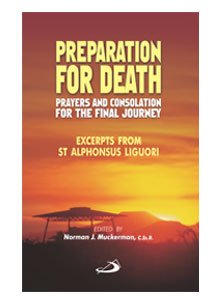
Preparation for Death : Prayers and Consolation for the Final Journey
Preparation for Death: Prayers and Consolation for the Final Journey Book by St. Alphonsus Liguori
Are you looking for guidance and solace as you prepare for the inevitable journey of death? Look no further than the book "Preparation for Death: Prayers and Consolation for the Final Journey" by St. Alphonsus Liguori. This profound and thought-provoking book offers a comprehensive guide to help you navigate the spiritual and emotional aspects of facing mortality. St. Alphonsus Liguori, a renowned Italian bishop and spiritual writer, shares his wisdom and insights on the subject of death in this timeless masterpiece. Through a series of prayers, reflections, and consoling words, he offers comfort and guidance to those who are preparing for the final journey.Key Features:
1. Prayerful Guidance: St. Alphonsus Liguori provides a collection of powerful prayers that can be used to seek solace, forgiveness, and spiritual strength during the challenging moments leading up to death. 2. Reflections on Mortality: The book delves into the reality of death and encourages readers to reflect on the brevity of life. It offers profound insights into the importance of spiritual preparation and the need to prioritize eternal salvation. 3. Consolation and Hope: St. Alphonsus Liguori's words bring comfort to those who are facing the uncertainty of death. He offers reassurance that God's mercy and love are ever-present, providing hope and peace in the midst of fear and anxiety. Whether you are personally preparing for death or seeking to support a loved one on their final journey, "Preparation for Death: Prayers and Consolation for the Final Journey" is a valuable resource. It will inspire and uplift your spirit, reminding you of the importance of faith, prayer, and the eternal journey that awaits us all.
ST CAMILLUS DE LELLIS
About St. Camillus de Lellis
St. Camillus de Lellis, also known as St. Camillus of Lellis, was an Italian priest who lived during the 16th century. He is recognized as the patron saint of nurses, the sick, and hospitals. St. Camillus dedicated his life to caring for the sick and those in need, and his legacy continues to inspire healthcare professionals today.The Life and Works of St. Camillus de Lellis
Born in 1550 in Italy, St. Camillus experienced a transformation in his life after a series of personal struggles and hardships. He had a profound conversion and dedicated himself to serving the sick and the poor. St. Camillus founded the Order of Clerks Regular, Ministers of the Infirm (commonly known as the Camillians), a religious order focused on healthcare and the care of the sick. St. Camillus and his fellow Camillians established hospitals and healthcare facilities throughout Europe, providing compassionate care to those in need. They emphasized the importance of treating patients with dignity and respect, as well as providing holistic care that addressed both their physical and spiritual needs.The Legacy of St. Camillus de Lellis
St. Camillus de Lellis left a lasting impact on the field of healthcare. His dedication to the sick and his emphasis on compassionate care continue to inspire healthcare professionals around the world. Many hospitals and healthcare organizations have adopted his principles and values, striving to provide the highest quality of care to their patients. St. Camillus de Lellis serves as a reminder of the importance of selfless service and compassion in the healthcare field. His legacy is a testament to the power of caring for others and the profound impact it can have on individuals and communities.
STORY OF A SOUL
The Story of a Soul
The Story of a Soul is a captivating memoir written by Saint Thérèse of Lisieux, a French Carmelite nun. This spiritual autobiography chronicles her journey of faith, love, and devotion to God. Thérèse's story begins with her childhood in a loving and devout family. She shares her early experiences, including her mother's death and her entry into the Carmelite convent at the tender age of 15. Through her honest and heartfelt narrative, Thérèse reveals her deep longing to serve God and her desire to become a saint. Throughout the memoir, Thérèse delves into her spiritual experiences and the challenges she faced in her pursuit of holiness. She describes her "little way," a path of simplicity and humility that she believed would lead her to heaven. Thérèse's teachings on the importance of doing small acts of love and offering them to God have inspired countless readers to find meaning and purpose in their daily lives. Thérèse's story also explores her struggles with illness and the physical pain she endured. Despite these hardships, she remained steadfast in her faith and found solace in her relationship with God. Her unwavering trust in divine providence serves as a powerful example of hope and resilience. The Story of a Soul offers profound insights into the nature of God's love and the beauty of a life lived in devotion to Him. Thérèse's words continue to resonate with readers of all backgrounds, inspiring them to seek a deeper connection with their faith and embrace a life of love and service.
THE WAY
The Way - A Revolutionary Product for Personal Transportation
Introducing The Way, a groundbreaking innovation in personal transportation. This state-of-the-art device is designed to revolutionize the way we commute, offering a convenient and eco-friendly alternative to traditional modes of transportation.Efficiency and Convenience
The Way is compact and lightweight, making it incredibly easy to maneuver through crowded streets and navigate tight spaces. Its sleek design and intuitive controls ensure a smooth and effortless ride, allowing you to effortlessly glide through your daily commute. Equipped with advanced lithium-ion batteries, The Way offers an impressive range of up to 30 miles on a single charge. This means you can travel to work, run errands, or explore the city without worrying about running out of power.Environmentally Friendly
At The Way, we are committed to reducing our carbon footprint and preserving the environment. That's why The Way is powered by electricity, emitting zero emissions and contributing to cleaner air and a healthier planet. By choosing The Way as your preferred mode of transportation, you are not only making a smart choice for yourself but also for future generations.Safe and Reliable
Your safety is our top priority. The Way is equipped with advanced safety features, including an anti-lock braking system and LED lights for enhanced visibility. Its sturdy construction and durable materials ensure a safe and reliable ride, even in challenging weather conditions. With The Way, you can confidently navigate the urban landscape, knowing that you are in control of a reliable and secure mode of transportation. Experience the future of personal transportation with The Way. Say goodbye to traffic jams, parking hassles, and harmful emissions. Embrace a greener and more efficient way of getting around with The Way.
WOMEN IN THE BIBLE VOL 2
Introducing "Women in the Bible Vol.2"
Discover the captivating stories of influential women from the Bible with our latest release, "Women in the Bible Vol.2". This comprehensive volume delves into the lives of remarkable women, shedding light on their struggles, triumphs, and enduring legacies.Unveiling Untold Stories
With "Women in the Bible Vol.2", you will embark on a profound journey through history, exploring the lives of women who have shaped the course of humanity. From the courageous Deborah, who led the Israelites to victory, to the compassionate Ruth, whose loyalty and faithfulness continue to inspire, this book offers a fresh perspective on the often overlooked contributions of women in biblical times. Each chapter presents a compelling narrative, meticulously researched and beautifully written, bringing to life the stories of these extraordinary women. Through their experiences, readers will gain a deeper understanding of the challenges they faced, the sacrifices they made, and the profound impact they had on their communities.A Resource for Reflection and Inspiration
"Women in the Bible Vol.2" is not just a collection of stories; it is a valuable resource for individuals seeking wisdom and inspiration. Whether you are a scholar, a student, or simply someone looking to deepen your spiritual understanding, this book offers profound insights and thought-provoking reflections. Each chapter concludes with a series of discussion questions, designed to encourage personal reflection and group dialogue. These questions invite readers to explore the relevance of these ancient stories in their own lives and consider how the lessons learned from these remarkable women can be applied today. Don't miss the opportunity to delve into the lives of these extraordinary women. Order your copy of "Women in the Bible Vol.2" today and embark on a transformative journey through history.

Reviews
There are no reviews yet.