









CHURCH FATHERS
₦5,700.00
The Importance of Church Fathers in Christian History
The Church Fathers played a crucial role in shaping the development of Christianity. These influential theologians and scholars lived during the early centuries of the Christian era and their writings and teachings continue to have a lasting impact on the faith today.
Preserving the Doctrinal Integrity
One of the key contributions of the Church Fathers was their commitment to preserving the doctrinal integrity of the Christian faith. In an era when heresies and false teachings were prevalent, the Church Fathers diligently defended the core beliefs of Christianity. They wrote extensively on theological matters, clarifying and articulating the fundamental tenets of the faith.
Interpreting Scripture and Tradition
The Church Fathers also played a vital role in interpreting Scripture and tradition. They sought to understand the deeper meanings and implications of the biblical texts, providing valuable insights that continue to inform our understanding of the Bible today. Additionally, they drew upon the rich tradition of the early Christian community, incorporating the wisdom and practices of the apostles and early believers.
Legacy and Influence
The legacy of the Church Fathers is evident in the writings of subsequent generations of Christian theologians and scholars. Their works served as a foundation for the development of Christian theology and shaped the beliefs and practices of the Church. The teachings of the Church Fathers continue to be studied and revered by theologians, clergy, and laypeople alike, as they provide valuable insights into the historical and theological roots of the Christian faith.
In conclusion, the Church Fathers played a pivotal role in the early development of Christianity. Their writings and teachings continue to be a valuable resource for understanding the foundations of the faith and preserving its doctrinal integrity.
Size and packaging guidelines
| Specification | Chair | Armchair | Sofas |
| Height | 37" | 42" | 42" |
| Width | 26.5" | 32.5" | 142" |
| Depth | 19.5" | 22.5" | 24.5" |
| Assembly Required | No | No | Yes |
| Packaging Type | Box | Box | Box |
| Package Weight | 55 lbs. | 64 lbs. | 180 lbs. |
| Packaging Dimensions | 27" x 26" x 39" | 45" x 35" x 24" | 46" x 142" x 25" |
Reviews (0)
Shipping & Delivery
Related products
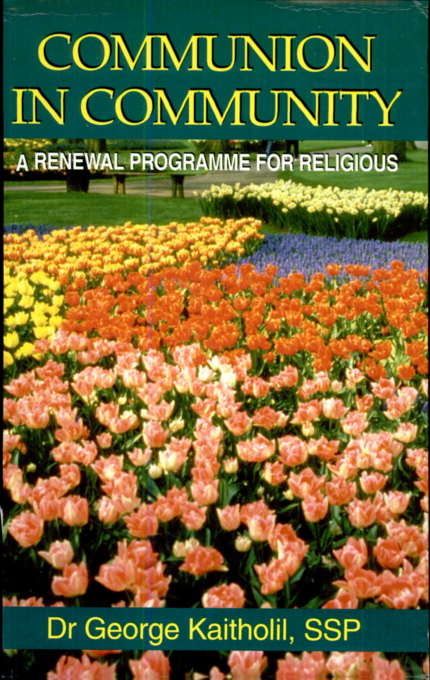
COMMUNION IN COMMUNITY
Communion in Community
Communion in community is a sacred and meaningful experience that brings people together in unity and fellowship. It is a time when individuals come together to share in a common purpose and to connect with one another on a deeper level. At its core, communion is a religious practice that symbolizes the sharing of bread and wine, representing the body and blood of Jesus Christ. It is a time for reflection, remembrance, and thanksgiving. But communion is not just about the act of partaking in bread and wine; it is also about the sense of community that is fostered during this special time. When people gather together to participate in communion, they are reminded of their shared beliefs and values. They are reminded that they are part of something greater than themselves – a community of faith. This sense of belonging and connection is vital for individuals to feel supported and encouraged in their spiritual journey. Communion in community also provides an opportunity for individuals to support and uplift one another. It is a time when people can come together to offer prayers, encouragement, and support for those in need. It is a time to celebrate joys and share burdens, knowing that they are not alone in their struggles. Furthermore, communion in community helps to foster a spirit of love, compassion, and forgiveness. It is a time when individuals can come together to reconcile and heal relationships, both with God and with one another. It is a time to let go of grudges, extend grace, and seek reconciliation. In conclusion, communion in community is a sacred and transformative practice that brings people together in unity and fellowship. It is a time for reflection, connection, support, and reconciliation. Through communion, individuals are reminded of their shared beliefs and values, and they are encouraged to live out these principles in their daily lives.
LIFE AND MESSAGE OF SISTER MARY OF THE HOLY
The Life and Message of Sister Mary of the Holy
Sister Mary of the Holy, born in the small town of St. Joseph, dedicated her entire life to serving others and spreading the message of love and compassion. Her journey began at a young age when she felt a calling to join the religious order of the Sisters of Mercy.Early Life and Education
Sister Mary of the Holy was born into a humble family, where she learned the values of faith and kindness from her parents. From an early age, she displayed a deep sense of spirituality and a desire to help those in need. After completing her primary education, she joined the Sisters of Mercy and embarked on a path of spiritual growth and service.Devotion to Service
Throughout her life, Sister Mary of the Holy dedicated herself to serving the less fortunate. She worked tirelessly in hospitals, orphanages, and schools, providing care, support, and education to those who needed it most. Her selflessness and genuine love for others inspired many to follow in her footsteps.Message of Love and Compassion
Sister Mary of the Holy's message centered around the importance of love and compassion in our daily lives. She believed that by showing kindness and empathy towards others, we could bring about positive change in the world. Her teachings emphasized the need to treat every person with respect and dignity, regardless of their background or circumstances. In conclusion, Sister Mary of the Holy's life and message continue to inspire and touch the hearts of many. Her unwavering dedication to serving others and spreading love and compassion serves as a reminder of the power of selflessness and kindness.
SAINTS TODAY
Saints Today: How Can I Be One Too?
Many people admire saints for their exceptional virtues and their dedication to living a righteous life. While becoming a saint may seem like an unattainable goal, there are steps you can take to cultivate saintly qualities in your own life.1. Cultivate Virtues
Saints are known for their virtues, such as compassion, humility, patience, and selflessness. To become more like a saint, focus on developing these virtues in your own life. Practice acts of kindness and generosity, seek to understand and empathize with others, and strive to be patient and forgiving.2. Deepen Your Spirituality
Saints have a deep connection with their spiritual beliefs and dedicate their lives to serving a higher purpose. To follow in their footsteps, explore your own spirituality and deepen your relationship with your faith or belief system. This can be done through prayer, meditation, attending religious services, or engaging in spiritual practices that resonate with you.3. Serve Others
Saints are known for their selfless service to others. Look for opportunities to help those in need, whether through volunteering, donating to charitable causes, or simply offering a helping hand to a friend or neighbor. By putting the needs of others before your own, you can cultivate a spirit of service and make a positive impact on the world around you. While becoming a saint may not be an easy or straightforward path, it is possible to embody saintly qualities in your own life. By cultivating virtues, deepening your spirituality, and serving others, you can strive to live a life that is aligned with the ideals of the saints.
ST DOMINIC -WOOD GATE
Introducing St. Dominic - Wood Gate
Enhance the beauty and security of your property with the exquisite St. Dominic Wood Gate. Crafted with precision and attention to detail, this gate is a perfect blend of elegance and durability.Unmatched Quality
Our St. Dominic Wood Gate is made from high-quality wood, ensuring its longevity and resistance to weather conditions. The carefully selected wood is treated to protect against rot, decay, and insect damage, guaranteeing a gate that will stand the test of time.Stylish Design
The St. Dominic Wood Gate features a classic design that effortlessly complements any architectural style. Its timeless appeal adds an element of sophistication to your property, while the sturdy construction provides an added layer of security. Available in various sizes, the gate can be customized to fit your specific requirements. Whether you need a single or double gate, we have the perfect solution for you.Easy Installation
Installing the St. Dominic Wood Gate is a breeze. With our detailed instructions and all the necessary hardware included, you can have your gate up and running in no time. Additionally, our friendly customer support team is always available to assist you with any questions or concerns you may have. Invest in the St. Dominic Wood Gate and elevate the aesthetic appeal and security of your property. With its unmatched quality, stylish design, and easy installation, this gate is the perfect addition to any home or business.
ST MARTIN DE PORRES
Saint Martin de Porres: A Devout and Compassionate Saint
Saint Martin de Porres, also known as the "Saint of the Broom," was a Peruvian Dominican lay brother who lived in the 16th century. He is revered for his deep faith, selflessness, and dedication to serving others. Early Life and Faith Born in Lima, Peru in 1579, Martin de Porres faced many challenges due to his mixed-race heritage. Despite the discrimination he faced, he remained steadfast in his faith and dedicated his life to serving God and others. Compassion and Healing Saint Martin de Porres had a special gift for healing the sick and comforting the suffering. Many sought his assistance, and he would often spend hours praying with them and offering them solace. His compassion and kindness were renowned, and he became a symbol of hope for the marginalized and oppressed. Humility and Service One of the most notable aspects of Saint Martin de Porres' life was his humility and commitment to serving others. Despite his extraordinary abilities and reputation, he considered himself unworthy and chose to perform menial tasks, such as cleaning and sweeping, in the monastery. He saw these tasks as opportunities to serve God and his fellow brothers. Legacy and Canonization Saint Martin de Porres' legacy lives on through the countless lives he touched and the miracles attributed to his intercession. He was canonized by Pope John XXIII in 1962 and is now recognized as the patron saint of mixed-race people, barbers, and public health workers. In conclusion, Saint Martin de Porres is a shining example of faith, compassion, and humility. His life serves as an inspiration to all, reminding us to serve others selflessly and to embrace the diversity and beauty of all God's children.
THE INCORRUPTIBLE
The Incorruptible
The Incorruptible is a revolutionary new product that is designed to provide unparalleled durability and longevity. Made from the highest quality materials and with meticulous attention to detail, this product is built to withstand the test of time.Unmatched Durability
With its innovative construction, The Incorruptible is virtually indestructible. Whether you're using it for outdoor adventures or everyday tasks, this product will never let you down. Its robust design ensures that it can withstand even the harshest of conditions, making it the perfect companion for any situation.Long-Lasting Performance
Unlike other products on the market, The Incorruptible is built to last. Its superior craftsmanship and high-quality materials ensure that it will continue to perform at its best for years to come. Say goodbye to constantly replacing worn-out products and hello to The Incorruptible's long-lasting performance. Whether you're a professional in need of a reliable tool or an individual looking for a product that will stand the test of time, The Incorruptible is the perfect choice. Its unmatched durability and long-lasting performance make it a true game-changer in its field. Invest in The Incorruptible today and experience the difference for yourself.
UNTAPPED POWER OF THE SARCRAMENTS
The Untapped Power of the Sacraments
The sacraments hold a profound and transformative power that often goes unnoticed or underutilized. These sacred rituals, instituted by Christ Himself, are channels through which God's grace flows into our lives, nourishing and strengthening our souls. Baptism: The sacrament of baptism is the gateway to the Christian life. Through the pouring of water and the invocation of the Holy Trinity, we are cleansed of original sin and become members of the Church. Baptism not only grants us forgiveness of sins but also infuses us with the Holy Spirit, marking us as God's beloved children. Confirmation: Confirmation is the sacrament in which we receive the fullness of the Holy Spirit. Through the anointing with chrism oil and the laying on of hands, we are sealed with the gifts of the Spirit and empowered to live as witnesses of Christ in the world. Confirmation strengthens our faith and equips us to face the challenges of discipleship. Eucharist: The Eucharist, also known as Holy Communion, is the sacrament in which we receive the body and blood of Christ. This sacred meal nourishes our souls and unites us with Christ and His Church. Through the Eucharist, we are transformed into the likeness of Christ and are given the grace to live as His disciples. Reconciliation: The sacrament of reconciliation, also called confession, offers us the opportunity to receive God's forgiveness and healing. Through the ministry of the priest, we confess our sins, receive absolution, and are reconciled with God and the Church. Reconciliation restores our relationship with God and strengthens our resolve to live in holiness. Matrimony and Holy Orders: The sacraments of matrimony and holy orders are vocations through which individuals are called to a life of service and love. Matrimony is a covenant between a man and a woman, while holy orders is the sacrament through which men are ordained as deacons, priests, or bishops. These sacraments bestow graces upon those called to these vocations and enable them to fulfill their respective roles in the Church. Anointing of the Sick: The sacrament of the anointing of the sick brings comfort, healing, and strength to those who are suffering from illness or facing the end of their earthly life. Through the anointing with oil and the prayers of the Church, the sick are united with the suffering of Christ and are given the grace to endure their trials with faith and hope. By fully embracing and participating in the sacraments, we open ourselves to the abundant grace and blessings that God desires to pour into our lives. Let us not overlook the untapped power of these sacred rituals and instead seek to encounter God's transformative love through them.The Untapped Power of the Sacraments
In the Catholic tradition, the sacraments are considered sacred rituals that bring individuals closer to God and provide them with spiritual nourishment. However, many people fail to fully understand and appreciate the power and significance of these sacraments in their lives. Baptism: The sacrament of baptism is the gateway to the Christian life. Through the pouring of water and the invocation of the Holy Trinity, individuals are cleansed of original sin and become members of the Church. Baptism marks the beginning of a lifelong journey of faith and opens the door to the other sacraments. Confirmation: Confirmation is the sacrament in which individuals receive the fullness of the Holy Spirit. Through the anointing with sacred chrism, they are strengthened in their faith and empowered to live as witnesses of Christ in the world. Confirmation provides the grace needed to face the challenges of life and to grow in holiness. Eucharist: The sacrament of the Eucharist, also known as Holy Communion, is the source and summit of the Christian life. In this sacrament, bread and wine are transformed into the body and blood of Christ. By receiving the Eucharist, individuals are united with Christ and with one another, and they are nourished spiritually. Reconciliation: Reconciliation, also known as confession, is the sacrament in which individuals receive God's forgiveness for their sins. Through the ministry of the priest, they confess their sins, express contrition, and receive absolution. Reconciliation brings about healing and reconciliation with God and with the Church. Marriage: The sacrament of marriage is a sacred covenant between a man and a woman. Through their exchange of vows, they become partners for life and are called to love and support each other. Marriage is a sacrament of love and unity, and it provides the grace needed to live out the vocation of marriage. Holy Orders: Holy Orders is the sacrament through which men are ordained as deacons, priests, or bishops. Through the laying on of hands by the bishop, individuals are consecrated for ministry in the Church. Holy Orders empowers individuals to serve the people of God and to bring them closer to Christ. By understanding and embracing the power of the sacraments, individuals can experience a deeper relationship with God and a greater sense of purpose in their lives. The sacraments are not mere rituals, but rather channels of God's grace that enable individuals to grow in holiness and to live out their faith more fully.

Reviews
There are no reviews yet.