




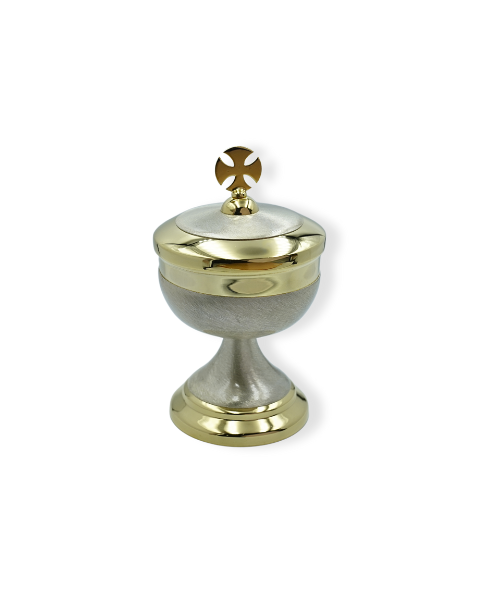
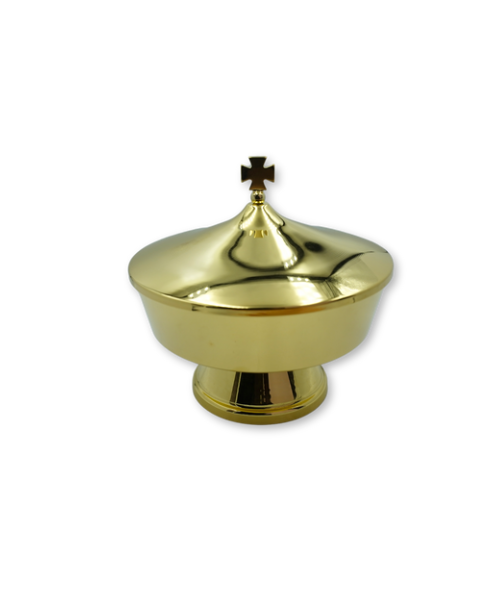





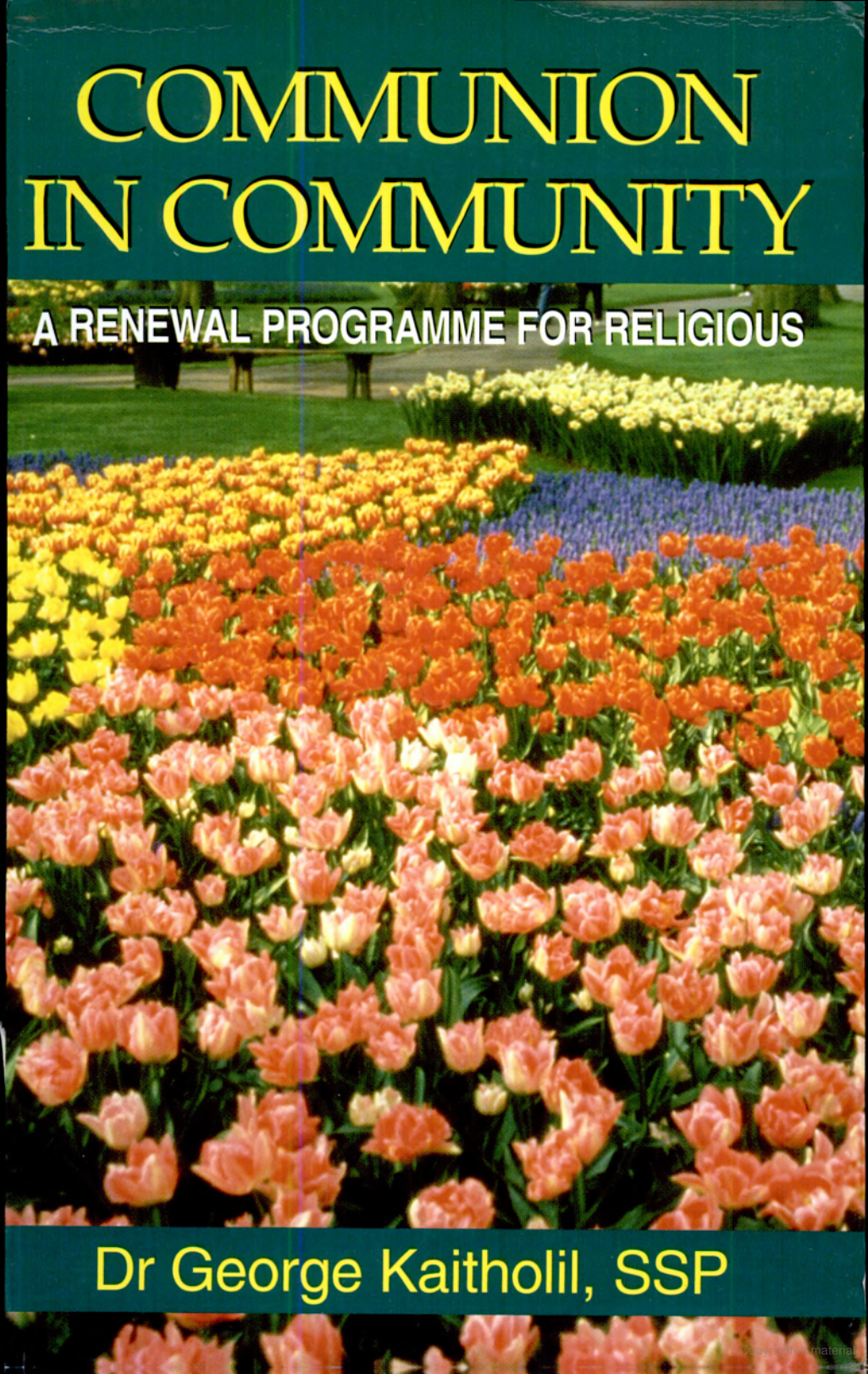


COMMUNION IN COMMUNITY
₦1,100.00
Communion in Community
Communion in community is a sacred and meaningful experience that brings people together in unity and fellowship. It is a time when individuals come together to share in a common purpose and to connect with one another on a deeper level.
At its core, communion is a religious practice that symbolizes the sharing of bread and wine, representing the body and blood of Jesus Christ. It is a time for reflection, remembrance, and thanksgiving. But communion is not just about the act of partaking in bread and wine; it is also about the sense of community that is fostered during this special time.
When people gather together to participate in communion, they are reminded of their shared beliefs and values. They are reminded that they are part of something greater than themselves – a community of faith. This sense of belonging and connection is vital for individuals to feel supported and encouraged in their spiritual journey.
Communion in community also provides an opportunity for individuals to support and uplift one another. It is a time when people can come together to offer prayers, encouragement, and support for those in need. It is a time to celebrate joys and share burdens, knowing that they are not alone in their struggles.
Furthermore, communion in community helps to foster a spirit of love, compassion, and forgiveness. It is a time when individuals can come together to reconcile and heal relationships, both with God and with one another. It is a time to let go of grudges, extend grace, and seek reconciliation.
In conclusion, communion in community is a sacred and transformative practice that brings people together in unity and fellowship. It is a time for reflection, connection, support, and reconciliation. Through communion, individuals are reminded of their shared beliefs and values, and they are encouraged to live out these principles in their daily lives.
Size and packaging guidelines
| Specification | Chair | Armchair | Sofas |
| Height | 37" | 42" | 42" |
| Width | 26.5" | 32.5" | 142" |
| Depth | 19.5" | 22.5" | 24.5" |
| Assembly Required | No | No | Yes |
| Packaging Type | Box | Box | Box |
| Package Weight | 55 lbs. | 64 lbs. | 180 lbs. |
| Packaging Dimensions | 27" x 26" x 39" | 45" x 35" x 24" | 46" x 142" x 25" |
Reviews (0)
Shipping & Delivery
Related products

EUCHARISTIC MIRACLES
Eucharistic Miracles
Eucharistic miracles are extraordinary events that have been reported throughout history, involving the transformation of the bread and wine into the body and blood of Jesus Christ during the Catholic Mass. These miracles serve as a testament to the real presence of Christ in the Eucharist and have been witnessed by countless individuals around the world. One notable example of a Eucharistic miracle is the Miracle of Lanciano, which occurred in the 8th century in Italy. During the Mass, the bread and wine miraculously transformed into flesh and blood. This miracle has been scientifically studied and the flesh has been determined to be human cardiac tissue, while the blood is of type AB, which is the same blood type found on the Shroud of Turin. Another remarkable Eucharistic miracle took place in Buenos Aires, Argentina in 1996. A consecrated host that had fallen to the ground was placed in a container of water to dissolve. However, after a few days, the host had transformed into a bloody substance. This miracle was examined by a team of scientists and determined to be human blood. These Eucharistic miracles serve as a powerful reminder of the sacredness and mystery of the Eucharist. They provide believers with tangible evidence of the presence of Christ in the sacrament and inspire devotion and reverence. The Church recognizes these miracles as signs of God's love and invites all to deepen their faith and belief in the real presence of Christ in the Eucharist.
GLORIES OF MARY
The Glories of Mary
Mary, the mother of Jesus, holds a special place in the hearts of millions of believers around the world. Her role in the Christian faith is revered and celebrated, and her virtues and qualities are seen as a source of inspiration and guidance.The Virtues of Mary
Mary is often described as the epitome of virtue. Her humility, obedience, and faithfulness are qualities that believers strive to emulate. Her unwavering devotion to God and her willingness to accept God's plan for her life are seen as shining examples of what it means to be a faithful servant. In addition to her virtues, Mary is also known for her role as the mother of Jesus. Her love for her son and her unwavering support during his ministry and crucifixion are seen as a testament to her strength and courage.Mary in Scripture and Tradition
The glories of Mary are not only found in scripture but also in the rich tradition of the Catholic Church. Mary is venerated as the Queen of Heaven and is believed to intercede for believers in their prayers to God. Throughout history, countless miracles and blessings have been attributed to Mary's intercession. Believers turn to her in times of need, seeking her guidance, comfort, and protection. Whether through prayer, devotion, or acts of service, the glories of Mary continue to inspire and uplift believers around the world. Her example of faith and virtue serves as a reminder of the power of God's love and the importance of living a life centered on Him.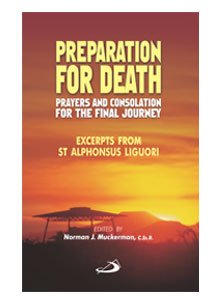
Preparation for Death : Prayers and Consolation for the Final Journey
Preparation for Death: Prayers and Consolation for the Final Journey Book by St. Alphonsus Liguori
Are you looking for guidance and solace as you prepare for the inevitable journey of death? Look no further than the book "Preparation for Death: Prayers and Consolation for the Final Journey" by St. Alphonsus Liguori. This profound and thought-provoking book offers a comprehensive guide to help you navigate the spiritual and emotional aspects of facing mortality. St. Alphonsus Liguori, a renowned Italian bishop and spiritual writer, shares his wisdom and insights on the subject of death in this timeless masterpiece. Through a series of prayers, reflections, and consoling words, he offers comfort and guidance to those who are preparing for the final journey.Key Features:
1. Prayerful Guidance: St. Alphonsus Liguori provides a collection of powerful prayers that can be used to seek solace, forgiveness, and spiritual strength during the challenging moments leading up to death. 2. Reflections on Mortality: The book delves into the reality of death and encourages readers to reflect on the brevity of life. It offers profound insights into the importance of spiritual preparation and the need to prioritize eternal salvation. 3. Consolation and Hope: St. Alphonsus Liguori's words bring comfort to those who are facing the uncertainty of death. He offers reassurance that God's mercy and love are ever-present, providing hope and peace in the midst of fear and anxiety. Whether you are personally preparing for death or seeking to support a loved one on their final journey, "Preparation for Death: Prayers and Consolation for the Final Journey" is a valuable resource. It will inspire and uplift your spirit, reminding you of the importance of faith, prayer, and the eternal journey that awaits us all.
ST DOMINIC -WOOD GATE
Introducing St. Dominic - Wood Gate
Enhance the beauty and security of your property with the exquisite St. Dominic Wood Gate. Crafted with precision and attention to detail, this gate is a perfect blend of elegance and durability.Unmatched Quality
Our St. Dominic Wood Gate is made from high-quality wood, ensuring its longevity and resistance to weather conditions. The carefully selected wood is treated to protect against rot, decay, and insect damage, guaranteeing a gate that will stand the test of time.Stylish Design
The St. Dominic Wood Gate features a classic design that effortlessly complements any architectural style. Its timeless appeal adds an element of sophistication to your property, while the sturdy construction provides an added layer of security. Available in various sizes, the gate can be customized to fit your specific requirements. Whether you need a single or double gate, we have the perfect solution for you.Easy Installation
Installing the St. Dominic Wood Gate is a breeze. With our detailed instructions and all the necessary hardware included, you can have your gate up and running in no time. Additionally, our friendly customer support team is always available to assist you with any questions or concerns you may have. Invest in the St. Dominic Wood Gate and elevate the aesthetic appeal and security of your property. With its unmatched quality, stylish design, and easy installation, this gate is the perfect addition to any home or business.
ST MARTIN DE PORRES
Saint Martin de Porres: A Devout and Compassionate Saint
Saint Martin de Porres, also known as the "Saint of the Broom," was a Peruvian Dominican lay brother who lived in the 16th century. He is revered for his deep faith, selflessness, and dedication to serving others. Early Life and Faith Born in Lima, Peru in 1579, Martin de Porres faced many challenges due to his mixed-race heritage. Despite the discrimination he faced, he remained steadfast in his faith and dedicated his life to serving God and others. Compassion and Healing Saint Martin de Porres had a special gift for healing the sick and comforting the suffering. Many sought his assistance, and he would often spend hours praying with them and offering them solace. His compassion and kindness were renowned, and he became a symbol of hope for the marginalized and oppressed. Humility and Service One of the most notable aspects of Saint Martin de Porres' life was his humility and commitment to serving others. Despite his extraordinary abilities and reputation, he considered himself unworthy and chose to perform menial tasks, such as cleaning and sweeping, in the monastery. He saw these tasks as opportunities to serve God and his fellow brothers. Legacy and Canonization Saint Martin de Porres' legacy lives on through the countless lives he touched and the miracles attributed to his intercession. He was canonized by Pope John XXIII in 1962 and is now recognized as the patron saint of mixed-race people, barbers, and public health workers. In conclusion, Saint Martin de Porres is a shining example of faith, compassion, and humility. His life serves as an inspiration to all, reminding us to serve others selflessly and to embrace the diversity and beauty of all God's children.
ST MAXIMILLIAN KOLBE
Saint Maximilian Kolbe - A Hero of Faith and Sacrifice
Saint Maximilian Kolbe, also known as Saint Maximilian Maria Kolbe, was a Polish Franciscan friar who lived from 1894 to 1941. He is widely recognized as a hero of faith and sacrifice, and his life and actions continue to inspire people around the world. Born as Rajmund Kolbe, he joined the Franciscan order and took the name Maximilian. He dedicated his life to spreading the message of the Gospel and promoting devotion to the Virgin Mary. He founded the Militia Immaculata, a movement that aimed to bring people closer to God through the intercession of the Blessed Virgin Mary.Sacrifice for Others
One of the most remarkable acts of Saint Maximilian Kolbe's life occurred during World War II. In 1941, he was arrested by the Nazis and sent to the Auschwitz concentration camp. When a fellow prisoner was chosen to be executed as a punishment for an escape attempt, Maximilian Kolbe volunteered to take his place. This act of selflessness and sacrifice demonstrated Saint Maximilian's deep love for others and his unwavering faith. His willingness to lay down his life for a stranger is a powerful example of Christian love and the value he placed on every human life.Legacy and Canonization
Saint Maximilian Kolbe's legacy lives on through his writings and the impact he had on those who knew him. He was canonized as a saint by Pope John Paul II in 1982, and his feast day is celebrated on August 14th. Today, Saint Maximilian Kolbe is revered as a patron saint of prisoners, journalists, and the pro-life movement. His life serves as a reminder of the importance of faith, love, and sacrifice in the face of adversity.
THE INCORRUPTIBLE
The Incorruptible
The Incorruptible is a revolutionary new product that is designed to provide unparalleled durability and longevity. Made from the highest quality materials and with meticulous attention to detail, this product is built to withstand the test of time.Unmatched Durability
With its innovative construction, The Incorruptible is virtually indestructible. Whether you're using it for outdoor adventures or everyday tasks, this product will never let you down. Its robust design ensures that it can withstand even the harshest of conditions, making it the perfect companion for any situation.Long-Lasting Performance
Unlike other products on the market, The Incorruptible is built to last. Its superior craftsmanship and high-quality materials ensure that it will continue to perform at its best for years to come. Say goodbye to constantly replacing worn-out products and hello to The Incorruptible's long-lasting performance. Whether you're a professional in need of a reliable tool or an individual looking for a product that will stand the test of time, The Incorruptible is the perfect choice. Its unmatched durability and long-lasting performance make it a true game-changer in its field. Invest in The Incorruptible today and experience the difference for yourself.

Reviews
There are no reviews yet.