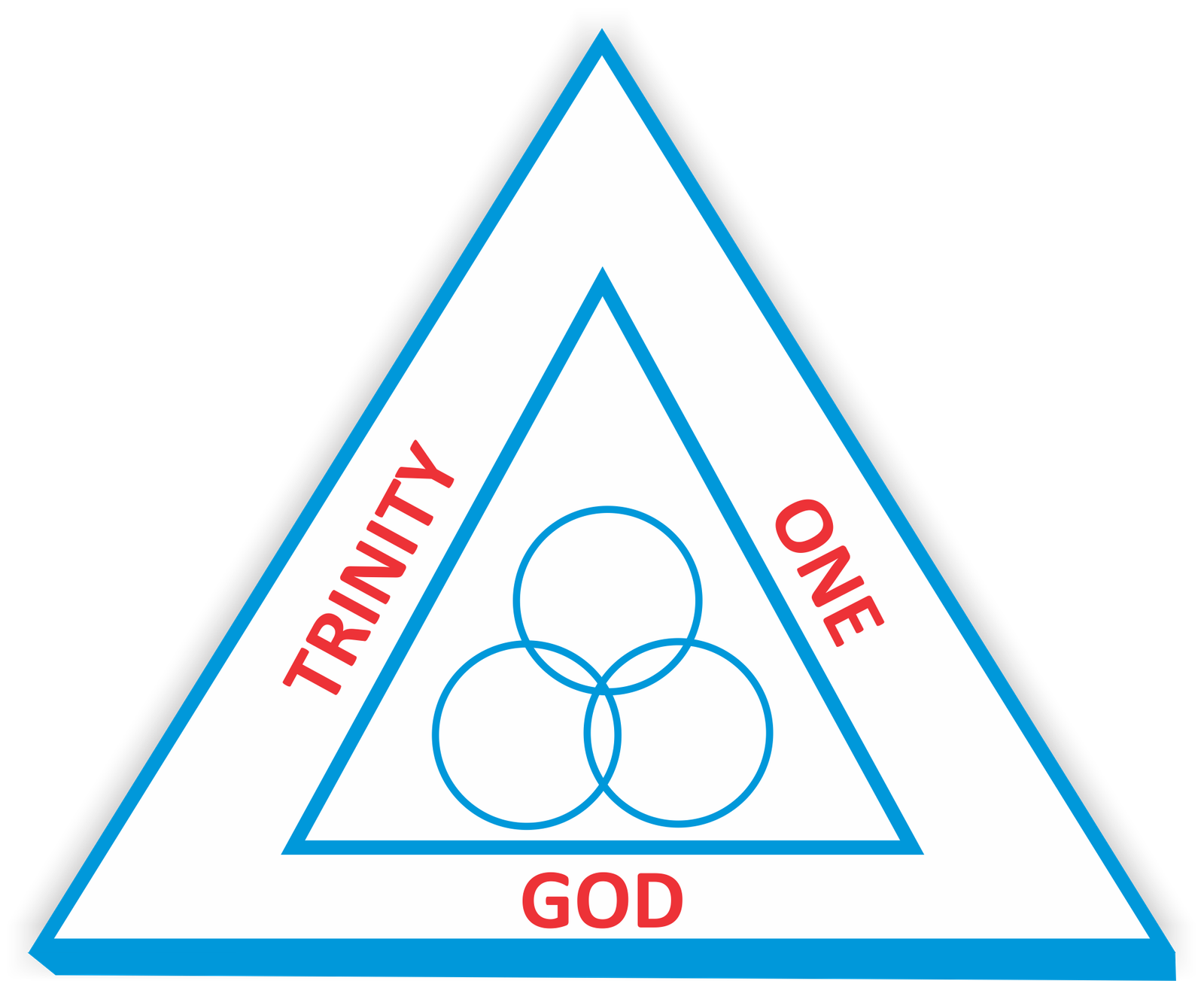










GOD THE FATHER
₦1,500.00
The Role of God the Father
God the Father is a central figure in Christianity, often referred to as the first person of the Holy Trinity. As the creator and sustainer of the universe, He holds a position of supreme authority and power. In this product description, we will explore the role and attributes of God the Father.
The Creator of the Universe
God the Father is believed to have created the universe and everything in it. From the vast galaxies to the tiniest organisms, His power and wisdom are evident in the intricate design and order of the natural world.
Unconditional Love and Compassion
One of the defining characteristics of God the Father is His unconditional love and compassion for humanity. He is portrayed as a loving and caring Father who desires a personal relationship with His children. Through His love, He offers forgiveness, guidance, and comfort to those who seek Him.
Divine Authority and Justice
God the Father is the ultimate authority and judge. He sets the moral and ethical standards by which humanity is to live. His justice ensures that wrongdoing is punished and righteousness is rewarded. However, His justice is tempered by His mercy and desire for reconciliation.
In conclusion, God the Father plays a vital role in Christianity as the creator, loving Father, and just judge. His attributes of power, love, and justice make Him a figure of reverence and worship for believers.
Size and packaging guidelines
| Specification | Chair | Armchair | Sofas |
| Height | 37" | 42" | 42" |
| Width | 26.5" | 32.5" | 142" |
| Depth | 19.5" | 22.5" | 24.5" |
| Assembly Required | No | No | Yes |
| Packaging Type | Box | Box | Box |
| Package Weight | 55 lbs. | 64 lbs. | 180 lbs. |
| Packaging Dimensions | 27" x 26" x 39" | 45" x 35" x 24" | 46" x 142" x 25" |
Reviews (0)
Shipping & Delivery
Related products
CONSECRATED LIFE
Discover the Beauty of Consecrated Life
Consecrated life is a sacred vocation that holds a special place within the Catholic Church. It is a calling to live a life of total dedication to God and service to others. Those who embrace this path commit themselves to a life of prayer, community living, and apostolic work.Embracing a Life of Prayer
At the heart of consecrated life is a deep commitment to prayer. Consecrated men and women spend significant time in prayer, seeking a closer relationship with God and discerning His will. Through daily prayer, they draw strength, guidance, and inspiration to carry out their mission in the world.Living in Community
Consecrated life also involves living in community with fellow religious brothers or sisters. This communal living fosters a spirit of unity, support, and shared mission. Together, they strive to create a loving and supportive environment where they can grow in holiness and serve others.Apostolic Work and Service
Consecrated men and women are called to serve others in a variety of ways. They may work in education, healthcare, social services, or other fields, using their unique gifts and talents to make a positive impact on the world. Through their apostolic work, they become a living witness of God's love and mercy. Consecrated life is a beautiful and fulfilling vocation that offers a unique opportunity to deepen one's relationship with God and serve others. It requires a deep sense of commitment, sacrifice, and selflessness. If you are discerning a call to consecrated life, we invite you to explore this noble path and discover the joy and fulfillment it can bring.
GLORIES OF MARY
The Glories of Mary
Mary, the mother of Jesus, holds a special place in the hearts of millions of believers around the world. Her role in the Christian faith is revered and celebrated, and her virtues and qualities are seen as a source of inspiration and guidance.The Virtues of Mary
Mary is often described as the epitome of virtue. Her humility, obedience, and faithfulness are qualities that believers strive to emulate. Her unwavering devotion to God and her willingness to accept God's plan for her life are seen as shining examples of what it means to be a faithful servant. In addition to her virtues, Mary is also known for her role as the mother of Jesus. Her love for her son and her unwavering support during his ministry and crucifixion are seen as a testament to her strength and courage.Mary in Scripture and Tradition
The glories of Mary are not only found in scripture but also in the rich tradition of the Catholic Church. Mary is venerated as the Queen of Heaven and is believed to intercede for believers in their prayers to God. Throughout history, countless miracles and blessings have been attributed to Mary's intercession. Believers turn to her in times of need, seeking her guidance, comfort, and protection. Whether through prayer, devotion, or acts of service, the glories of Mary continue to inspire and uplift believers around the world. Her example of faith and virtue serves as a reminder of the power of God's love and the importance of living a life centered on Him.
LIFE AND MESSAGE OF SISTER MARY OF THE HOLY
The Life and Message of Sister Mary of the Holy
Sister Mary of the Holy, born in the small town of St. Joseph, dedicated her entire life to serving others and spreading the message of love and compassion. Her journey began at a young age when she felt a calling to join the religious order of the Sisters of Mercy.Early Life and Education
Sister Mary of the Holy was born into a humble family, where she learned the values of faith and kindness from her parents. From an early age, she displayed a deep sense of spirituality and a desire to help those in need. After completing her primary education, she joined the Sisters of Mercy and embarked on a path of spiritual growth and service.Devotion to Service
Throughout her life, Sister Mary of the Holy dedicated herself to serving the less fortunate. She worked tirelessly in hospitals, orphanages, and schools, providing care, support, and education to those who needed it most. Her selflessness and genuine love for others inspired many to follow in her footsteps.Message of Love and Compassion
Sister Mary of the Holy's message centered around the importance of love and compassion in our daily lives. She believed that by showing kindness and empathy towards others, we could bring about positive change in the world. Her teachings emphasized the need to treat every person with respect and dignity, regardless of their background or circumstances. In conclusion, Sister Mary of the Holy's life and message continue to inspire and touch the hearts of many. Her unwavering dedication to serving others and spreading love and compassion serves as a reminder of the power of selflessness and kindness.
OUR JOY IN BEING CATHOLICS
The Joy of Being Catholics
As Catholics, we are blessed to experience a deep and abiding joy in our faith. This joy stems from the richness and beauty of the Catholic tradition, the sacraments, and the teachings of the Church.A Faith Rooted in Tradition
One of the reasons we find joy in being Catholics is the deep sense of tradition that permeates our faith. We are part of a faith that has been passed down through the ages, with roots that can be traced back to the time of Christ and the apostles. This connection to our past gives us a sense of belonging and continuity, and reminds us that we are part of something greater than ourselves. Through the liturgy, the sacraments, and the rituals of our faith, we are able to participate in this rich tradition and experience a profound sense of awe and reverence. Whether it is the beauty of a well-celebrated Mass, the power of the sacraments, or the comfort of praying the rosary, these traditions bring us closer to God and fill our hearts with joy.The Sacraments: Channels of Grace
Another source of joy for Catholics is the sacraments. These sacred rituals, instituted by Christ himself, are visible signs of God's grace at work in our lives. Through the sacraments of Baptism, Confirmation, Eucharist, Reconciliation, Anointing of the Sick, Holy Orders, and Matrimony, we are brought into deeper communion with God and our fellow believers. Each sacrament is a unique encounter with Christ, an opportunity for us to experience his love and mercy in a tangible way. Whether it is the forgiveness and healing we receive in the sacrament of Reconciliation, or the nourishment and spiritual sustenance we receive in the Eucharist, the sacraments are a source of great joy and consolation.The Teachings of the Church: Truth and Guidance
Finally, as Catholics, we find joy in the teachings of the Church. The Church, guided by the Holy Spirit, offers us a sure foundation of truth and moral guidance in a world that often seems confused and uncertain. Through the teachings of the Church, we are able to understand the purpose and meaning of our lives, and to discern right from wrong. This clarity brings us a deep sense of peace and joy, knowing that we are following the path that leads to true happiness and fulfillment. In conclusion, the joy of being Catholics comes from the richness of our tradition, the grace of the sacraments, and the guidance of the Church. It is a joy that fills our hearts and sustains us on our journey of faith.
ST MARIA GORETTI
About St. Maria Goretti
St. Maria Goretti was an Italian virgin-martyr who is venerated as a saint in the Catholic Church. Born on October 16, 1890, in Corinaldo, Italy, she lived a short but remarkable life. Maria's family was poor, and they lived in a small town where they worked as sharecroppers.Martyrdom and Canonization
At the age of 11, Maria was attacked by a neighbor named Alessandro Serenelli. He attempted to rape her but she resisted, choosing to protect her purity. In the process, Alessandro stabbed her multiple times, leading to her death the following day. Maria's incredible forgiveness and love for her attacker became a powerful testimony of God's grace. Before her death, she forgave Alessandro and expressed her desire for him to be with her in heaven. This act of forgiveness and her unwavering commitment to her faith made her a symbol of purity and virtue. In 1950, Maria was canonized by Pope Pius XII, and her mother, siblings, and Alessandro were present at the ceremony. She is the patron saint of youth, purity, and victims of rape.Legacy and Devotion
St. Maria Goretti's story continues to inspire people around the world. Her unwavering faith, forgiveness, and commitment to purity serve as a reminder of the power of God's love and grace. Many churches and schools are named after her, and her relics are venerated by the faithful. Her life serves as an example of the importance of chastity, forgiveness, and the pursuit of holiness. St. Maria Goretti's feast day is celebrated on July 6th, and her intercession is sought by those in need of strength, purity, and healing.
ST THOMAS BECKET
The Life and Legacy of St. Thomas Becket
St. Thomas Becket, also known as Thomas of Canterbury, was a prominent figure in English history during the 12th century. Born in London in 1118, Becket rose to become the Archbishop of Canterbury, one of the most prestigious positions in the Catholic Church. Becket's story is one of courage, conviction, and martyrdom. As Archbishop, he clashed with King Henry II over the rights and privileges of the Church. Becket staunchly defended the Church's independence and refused to bow to the king's demands. This led to a bitter conflict between the two powerful figures. In 1170, tensions reached a boiling point when four knights loyal to the king murdered Becket in Canterbury Cathedral. This shocking act of violence shocked the nation and turned Becket into a martyr and a symbol of resistance against royal authority.Becket's Legacy
St. Thomas Becket's murder sparked outrage across Europe and led to a wave of pilgrimages to his tomb in Canterbury. His martyrdom also had a profound impact on the power dynamics between church and state. Becket's steadfast defense of the Church's autonomy influenced the development of English law and the concept of religious freedom. His martyrdom also strengthened the authority of the papacy and the Catholic Church as a whole.Remembering St. Thomas Becket
Today, St. Thomas Becket is remembered as a martyr, a saint, and a symbol of courage in the face of oppression. His shrine at Canterbury Cathedral continues to attract pilgrims from around the world, and his story serves as a reminder of the enduring power of faith and conviction.
THE WAY
The Way - A Revolutionary Product for Personal Transportation
Introducing The Way, a groundbreaking innovation in personal transportation. This state-of-the-art device is designed to revolutionize the way we commute, offering a convenient and eco-friendly alternative to traditional modes of transportation.Efficiency and Convenience
The Way is compact and lightweight, making it incredibly easy to maneuver through crowded streets and navigate tight spaces. Its sleek design and intuitive controls ensure a smooth and effortless ride, allowing you to effortlessly glide through your daily commute. Equipped with advanced lithium-ion batteries, The Way offers an impressive range of up to 30 miles on a single charge. This means you can travel to work, run errands, or explore the city without worrying about running out of power.Environmentally Friendly
At The Way, we are committed to reducing our carbon footprint and preserving the environment. That's why The Way is powered by electricity, emitting zero emissions and contributing to cleaner air and a healthier planet. By choosing The Way as your preferred mode of transportation, you are not only making a smart choice for yourself but also for future generations.Safe and Reliable
Your safety is our top priority. The Way is equipped with advanced safety features, including an anti-lock braking system and LED lights for enhanced visibility. Its sturdy construction and durable materials ensure a safe and reliable ride, even in challenging weather conditions. With The Way, you can confidently navigate the urban landscape, knowing that you are in control of a reliable and secure mode of transportation. Experience the future of personal transportation with The Way. Say goodbye to traffic jams, parking hassles, and harmful emissions. Embrace a greener and more efficient way of getting around with The Way.

Reviews
There are no reviews yet.