







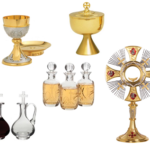
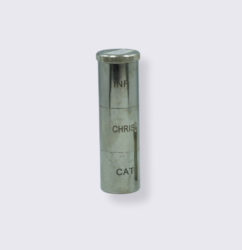


HOLY EUCHARIST
₦1,500.00
The Holy Eucharist: A Sacrament of Spiritual Nourishment
The Holy Eucharist, also known as the Holy Communion or the Lord’s Supper, is one of the seven sacraments of the Catholic Church. It is a sacred ritual that commemorates the Last Supper of Jesus Christ with his disciples. The Eucharist is a central part of the Catholic Mass and is considered the source and summit of the Christian life.
During the celebration of the Eucharist, bread and wine are consecrated by a priest and believed to become the body and blood of Christ through the process of transubstantiation. This means that the substance of the bread and wine is transformed into the actual presence of Christ, while the appearance remains unchanged.
Significance and Benefits of the Holy Eucharist
The Holy Eucharist holds great significance for Catholics as it is believed to be a means of receiving the grace of God and experiencing a deep spiritual union with Christ. By partaking in the Eucharist, Catholics believe that they are nourished spiritually, strengthened in their faith, and united with the entire Catholic community.
The Eucharist is also seen as a source of forgiveness and reconciliation. Catholics believe that through the reception of the Eucharist, they are cleansed from venial sins and given the opportunity for spiritual healing. It is a time for individuals to reflect on their actions, seek forgiveness, and renew their commitment to living a Christ-centered life.
Participation in the Holy Eucharist
In order to participate in the Holy Eucharist, individuals must be baptized and in a state of grace, meaning they are free from mortal sin. Catholics are encouraged to receive the Eucharist regularly, ideally during Mass, as it is seen as a vital part of their spiritual journey.
Overall, the Holy Eucharist is a sacrament of great importance in the Catholic faith. It is a sacred moment of encounter with Christ, providing nourishment for the soul and fostering a deeper connection to God and the Church.
Size and packaging guidelines
| Specification | Chair | Armchair | Sofas |
| Height | 37" | 42" | 42" |
| Width | 26.5" | 32.5" | 142" |
| Depth | 19.5" | 22.5" | 24.5" |
| Assembly Required | No | No | Yes |
| Packaging Type | Box | Box | Box |
| Package Weight | 55 lbs. | 64 lbs. | 180 lbs. |
| Packaging Dimensions | 27" x 26" x 39" | 45" x 35" x 24" | 46" x 142" x 25" |
Reviews (0)
Shipping & Delivery
Related products
CONSECRATED LIFE
Discover the Beauty of Consecrated Life
Consecrated life is a sacred vocation that holds a special place within the Catholic Church. It is a calling to live a life of total dedication to God and service to others. Those who embrace this path commit themselves to a life of prayer, community living, and apostolic work.Embracing a Life of Prayer
At the heart of consecrated life is a deep commitment to prayer. Consecrated men and women spend significant time in prayer, seeking a closer relationship with God and discerning His will. Through daily prayer, they draw strength, guidance, and inspiration to carry out their mission in the world.Living in Community
Consecrated life also involves living in community with fellow religious brothers or sisters. This communal living fosters a spirit of unity, support, and shared mission. Together, they strive to create a loving and supportive environment where they can grow in holiness and serve others.Apostolic Work and Service
Consecrated men and women are called to serve others in a variety of ways. They may work in education, healthcare, social services, or other fields, using their unique gifts and talents to make a positive impact on the world. Through their apostolic work, they become a living witness of God's love and mercy. Consecrated life is a beautiful and fulfilling vocation that offers a unique opportunity to deepen one's relationship with God and serve others. It requires a deep sense of commitment, sacrifice, and selflessness. If you are discerning a call to consecrated life, we invite you to explore this noble path and discover the joy and fulfillment it can bring.
DIARY OF DIVINE MERCY
Introducing the Diary of Divine Mercy
Welcome to the world of spiritual enlightenment and profound devotion with the Diary of Divine Mercy. This extraordinary book is a powerful testament to the boundless love and mercy of God, as revealed to the humble Polish nun, Saint Faustina Kowalska.Discovering the Divine Mercy
In the Diary of Divine Mercy, Saint Faustina recounts her personal encounters with Jesus Christ and documents His messages of love, forgiveness, and compassion. This sacred text offers a unique insight into the depths of God's mercy and provides guidance on how to live a life of faith and devotion. Through her intimate conversations with Jesus, Saint Faustina shares profound revelations on the importance of trust, prayer, and repentance. The Diary of Divine Mercy serves as a spiritual guide, offering practical advice on how to cultivate a deeper relationship with God and embrace His mercy in our daily lives.Embracing God's Mercy
The Diary of Divine Mercy invites readers to reflect on the infinite love and mercy that God extends to all humanity. It encourages us to seek forgiveness, to show compassion towards others, and to trust in God's providence even in the face of adversity. By immersing ourselves in the pages of this sacred diary, we are reminded of the transformative power of God's mercy and the profound impact it can have on our lives. Through the Diary of Divine Mercy, we are invited to embark on a journey of spiritual growth and discover the true meaning of divine love and forgiveness. Experience the Diary of Divine Mercy today and allow its timeless wisdom to inspire and guide you towards a deeper understanding of God's boundless mercy.
EUCHARISTIC MIRACLES
Eucharistic Miracles
Eucharistic miracles are extraordinary events that have been reported throughout history, involving the transformation of the bread and wine into the body and blood of Jesus Christ during the Catholic Mass. These miracles serve as a testament to the real presence of Christ in the Eucharist and have been witnessed by countless individuals around the world. One notable example of a Eucharistic miracle is the Miracle of Lanciano, which occurred in the 8th century in Italy. During the Mass, the bread and wine miraculously transformed into flesh and blood. This miracle has been scientifically studied and the flesh has been determined to be human cardiac tissue, while the blood is of type AB, which is the same blood type found on the Shroud of Turin. Another remarkable Eucharistic miracle took place in Buenos Aires, Argentina in 1996. A consecrated host that had fallen to the ground was placed in a container of water to dissolve. However, after a few days, the host had transformed into a bloody substance. This miracle was examined by a team of scientists and determined to be human blood. These Eucharistic miracles serve as a powerful reminder of the sacredness and mystery of the Eucharist. They provide believers with tangible evidence of the presence of Christ in the sacrament and inspire devotion and reverence. The Church recognizes these miracles as signs of God's love and invites all to deepen their faith and belief in the real presence of Christ in the Eucharist.
LIFE AND MESSAGE OF SISTER MARY OF THE HOLY
The Life and Message of Sister Mary of the Holy
Sister Mary of the Holy, born in the small town of St. Joseph, dedicated her entire life to serving others and spreading the message of love and compassion. Her journey began at a young age when she felt a calling to join the religious order of the Sisters of Mercy.Early Life and Education
Sister Mary of the Holy was born into a humble family, where she learned the values of faith and kindness from her parents. From an early age, she displayed a deep sense of spirituality and a desire to help those in need. After completing her primary education, she joined the Sisters of Mercy and embarked on a path of spiritual growth and service.Devotion to Service
Throughout her life, Sister Mary of the Holy dedicated herself to serving the less fortunate. She worked tirelessly in hospitals, orphanages, and schools, providing care, support, and education to those who needed it most. Her selflessness and genuine love for others inspired many to follow in her footsteps.Message of Love and Compassion
Sister Mary of the Holy's message centered around the importance of love and compassion in our daily lives. She believed that by showing kindness and empathy towards others, we could bring about positive change in the world. Her teachings emphasized the need to treat every person with respect and dignity, regardless of their background or circumstances. In conclusion, Sister Mary of the Holy's life and message continue to inspire and touch the hearts of many. Her unwavering dedication to serving others and spreading love and compassion serves as a reminder of the power of selflessness and kindness.
OUR JOY IN BEING CATHOLICS
The Joy of Being Catholics
As Catholics, we are blessed to experience a deep and abiding joy in our faith. This joy stems from the richness and beauty of the Catholic tradition, the sacraments, and the teachings of the Church.A Faith Rooted in Tradition
One of the reasons we find joy in being Catholics is the deep sense of tradition that permeates our faith. We are part of a faith that has been passed down through the ages, with roots that can be traced back to the time of Christ and the apostles. This connection to our past gives us a sense of belonging and continuity, and reminds us that we are part of something greater than ourselves. Through the liturgy, the sacraments, and the rituals of our faith, we are able to participate in this rich tradition and experience a profound sense of awe and reverence. Whether it is the beauty of a well-celebrated Mass, the power of the sacraments, or the comfort of praying the rosary, these traditions bring us closer to God and fill our hearts with joy.The Sacraments: Channels of Grace
Another source of joy for Catholics is the sacraments. These sacred rituals, instituted by Christ himself, are visible signs of God's grace at work in our lives. Through the sacraments of Baptism, Confirmation, Eucharist, Reconciliation, Anointing of the Sick, Holy Orders, and Matrimony, we are brought into deeper communion with God and our fellow believers. Each sacrament is a unique encounter with Christ, an opportunity for us to experience his love and mercy in a tangible way. Whether it is the forgiveness and healing we receive in the sacrament of Reconciliation, or the nourishment and spiritual sustenance we receive in the Eucharist, the sacraments are a source of great joy and consolation.The Teachings of the Church: Truth and Guidance
Finally, as Catholics, we find joy in the teachings of the Church. The Church, guided by the Holy Spirit, offers us a sure foundation of truth and moral guidance in a world that often seems confused and uncertain. Through the teachings of the Church, we are able to understand the purpose and meaning of our lives, and to discern right from wrong. This clarity brings us a deep sense of peace and joy, knowing that we are following the path that leads to true happiness and fulfillment. In conclusion, the joy of being Catholics comes from the richness of our tradition, the grace of the sacraments, and the guidance of the Church. It is a joy that fills our hearts and sustains us on our journey of faith.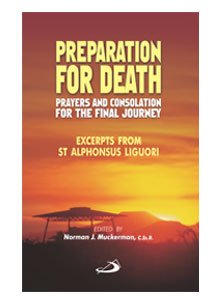
Preparation for Death : Prayers and Consolation for the Final Journey
Preparation for Death: Prayers and Consolation for the Final Journey Book by St. Alphonsus Liguori
Are you looking for guidance and solace as you prepare for the inevitable journey of death? Look no further than the book "Preparation for Death: Prayers and Consolation for the Final Journey" by St. Alphonsus Liguori. This profound and thought-provoking book offers a comprehensive guide to help you navigate the spiritual and emotional aspects of facing mortality. St. Alphonsus Liguori, a renowned Italian bishop and spiritual writer, shares his wisdom and insights on the subject of death in this timeless masterpiece. Through a series of prayers, reflections, and consoling words, he offers comfort and guidance to those who are preparing for the final journey.Key Features:
1. Prayerful Guidance: St. Alphonsus Liguori provides a collection of powerful prayers that can be used to seek solace, forgiveness, and spiritual strength during the challenging moments leading up to death. 2. Reflections on Mortality: The book delves into the reality of death and encourages readers to reflect on the brevity of life. It offers profound insights into the importance of spiritual preparation and the need to prioritize eternal salvation. 3. Consolation and Hope: St. Alphonsus Liguori's words bring comfort to those who are facing the uncertainty of death. He offers reassurance that God's mercy and love are ever-present, providing hope and peace in the midst of fear and anxiety. Whether you are personally preparing for death or seeking to support a loved one on their final journey, "Preparation for Death: Prayers and Consolation for the Final Journey" is a valuable resource. It will inspire and uplift your spirit, reminding you of the importance of faith, prayer, and the eternal journey that awaits us all.
ST CAMILLUS DE LELLIS
About St. Camillus de Lellis
St. Camillus de Lellis, also known as St. Camillus of Lellis, was an Italian priest who lived during the 16th century. He is recognized as the patron saint of nurses, the sick, and hospitals. St. Camillus dedicated his life to caring for the sick and those in need, and his legacy continues to inspire healthcare professionals today.The Life and Works of St. Camillus de Lellis
Born in 1550 in Italy, St. Camillus experienced a transformation in his life after a series of personal struggles and hardships. He had a profound conversion and dedicated himself to serving the sick and the poor. St. Camillus founded the Order of Clerks Regular, Ministers of the Infirm (commonly known as the Camillians), a religious order focused on healthcare and the care of the sick. St. Camillus and his fellow Camillians established hospitals and healthcare facilities throughout Europe, providing compassionate care to those in need. They emphasized the importance of treating patients with dignity and respect, as well as providing holistic care that addressed both their physical and spiritual needs.The Legacy of St. Camillus de Lellis
St. Camillus de Lellis left a lasting impact on the field of healthcare. His dedication to the sick and his emphasis on compassionate care continue to inspire healthcare professionals around the world. Many hospitals and healthcare organizations have adopted his principles and values, striving to provide the highest quality of care to their patients. St. Camillus de Lellis serves as a reminder of the importance of selfless service and compassion in the healthcare field. His legacy is a testament to the power of caring for others and the profound impact it can have on individuals and communities.

Reviews
There are no reviews yet.