










HOLY MEN AND WOMEN
₦7,500.00
Holy Men and Women
Discover the inspiring lives of holy men and women who have made a profound impact on the world with our collection of books and resources. These individuals have dedicated their lives to deepening their spiritual connection and serving as beacons of faith and virtue.
Our selection includes biographies, memoirs, and teachings from a diverse range of holy men and women from various religious traditions. Whether you are seeking guidance, inspiration, or simply a deeper understanding of the spiritual journey, our collection offers a wealth of wisdom and insights.
Explore the Lives of Saints
Delve into the lives of saints who have been recognized for their exceptional holiness and devotion to God. From Saint Francis of Assisi to Saint Teresa of Calcutta, each saint has a unique story that embodies the power of faith and the transformative potential of a life lived in service to others.
Through their writings, teachings, and examples, these holy men and women offer guidance on how to cultivate virtues such as love, compassion, humility, and forgiveness. Their lives serve as a source of inspiration and encouragement for individuals seeking to deepen their own spiritual journey.
Deepen Your Spiritual Journey
Whether you are a religious seeker, a student of spirituality, or simply someone looking for inspiration, our collection of books and resources on holy men and women will provide you with valuable insights and guidance. Explore their teachings, learn from their experiences, and discover the timeless wisdom that can transform your own spiritual journey.
By studying the lives of holy men and women, you can gain a deeper understanding of the universal principles that underlie all spiritual traditions. Their stories remind us of the power of faith, the importance of compassion, and the potential for personal transformation.
Embark on a journey of spiritual growth and enlightenment with our collection of books and resources on holy men and women. Explore their lives, learn from their teachings, and let their wisdom inspire and guide you on your own path towards a deeper connection with the divine.
Size and packaging guidelines
| Specification | Chair | Armchair | Sofas |
| Height | 37" | 42" | 42" |
| Width | 26.5" | 32.5" | 142" |
| Depth | 19.5" | 22.5" | 24.5" |
| Assembly Required | No | No | Yes |
| Packaging Type | Box | Box | Box |
| Package Weight | 55 lbs. | 64 lbs. | 180 lbs. |
| Packaging Dimensions | 27" x 26" x 39" | 45" x 35" x 24" | 46" x 142" x 25" |
Reviews (0)
Shipping & Delivery
Related products
CONSECRATED LIFE
Discover the Beauty of Consecrated Life
Consecrated life is a sacred vocation that holds a special place within the Catholic Church. It is a calling to live a life of total dedication to God and service to others. Those who embrace this path commit themselves to a life of prayer, community living, and apostolic work.Embracing a Life of Prayer
At the heart of consecrated life is a deep commitment to prayer. Consecrated men and women spend significant time in prayer, seeking a closer relationship with God and discerning His will. Through daily prayer, they draw strength, guidance, and inspiration to carry out their mission in the world.Living in Community
Consecrated life also involves living in community with fellow religious brothers or sisters. This communal living fosters a spirit of unity, support, and shared mission. Together, they strive to create a loving and supportive environment where they can grow in holiness and serve others.Apostolic Work and Service
Consecrated men and women are called to serve others in a variety of ways. They may work in education, healthcare, social services, or other fields, using their unique gifts and talents to make a positive impact on the world. Through their apostolic work, they become a living witness of God's love and mercy. Consecrated life is a beautiful and fulfilling vocation that offers a unique opportunity to deepen one's relationship with God and serve others. It requires a deep sense of commitment, sacrifice, and selflessness. If you are discerning a call to consecrated life, we invite you to explore this noble path and discover the joy and fulfillment it can bring.
DIARY OF DIVINE MERCY
Introducing the Diary of Divine Mercy
Welcome to the world of spiritual enlightenment and profound devotion with the Diary of Divine Mercy. This extraordinary book is a powerful testament to the boundless love and mercy of God, as revealed to the humble Polish nun, Saint Faustina Kowalska.Discovering the Divine Mercy
In the Diary of Divine Mercy, Saint Faustina recounts her personal encounters with Jesus Christ and documents His messages of love, forgiveness, and compassion. This sacred text offers a unique insight into the depths of God's mercy and provides guidance on how to live a life of faith and devotion. Through her intimate conversations with Jesus, Saint Faustina shares profound revelations on the importance of trust, prayer, and repentance. The Diary of Divine Mercy serves as a spiritual guide, offering practical advice on how to cultivate a deeper relationship with God and embrace His mercy in our daily lives.Embracing God's Mercy
The Diary of Divine Mercy invites readers to reflect on the infinite love and mercy that God extends to all humanity. It encourages us to seek forgiveness, to show compassion towards others, and to trust in God's providence even in the face of adversity. By immersing ourselves in the pages of this sacred diary, we are reminded of the transformative power of God's mercy and the profound impact it can have on our lives. Through the Diary of Divine Mercy, we are invited to embark on a journey of spiritual growth and discover the true meaning of divine love and forgiveness. Experience the Diary of Divine Mercy today and allow its timeless wisdom to inspire and guide you towards a deeper understanding of God's boundless mercy.
SAINTS THAT TRIUMPHED DEATH
Saints that Triumphed Death
In the realm of faith and devotion, there exist extraordinary individuals who have transcended the boundaries of mortality. These saints, through their unwavering belief and profound spirituality, have triumphed over death itself. One such saint is Saint John of the Cross, a 16th-century mystic and poet. Despite enduring imprisonment and persecution, his unyielding faith allowed him to transcend the physical constraints of his earthly existence. Through his writings and teachings, he continues to inspire countless souls to seek a higher spiritual plane. Another remarkable figure is Saint Teresa of Avila, a 16th-century Spanish mystic and reformer. Her profound spiritual experiences, including mystical visions and encounters with divine beings, elevated her beyond the limitations of human mortality. Her writings, such as "The Interior Castle," provide invaluable insights into the depths of the human soul and the path to spiritual enlightenment. One cannot overlook the extraordinary life of Saint Francis of Assisi, who renounced his worldly possessions and embraced a life of poverty and humility. His deep connection with nature and his unwavering devotion to God allowed him to transcend the fear of death. His legacy lives on through the Franciscan order and his teachings on compassion and love for all of God's creations. These saints, and many others throughout history, serve as beacons of hope and inspiration for all who seek a deeper connection with the divine. Their lives remind us that death is not an end but a gateway to eternal life, and that through faith and devotion, we too can triumph over the limitations of our mortal existence.
ST MARIA GORETTI
About St. Maria Goretti
St. Maria Goretti was an Italian virgin-martyr who is venerated as a saint in the Catholic Church. Born on October 16, 1890, in Corinaldo, Italy, she lived a short but remarkable life. Maria's family was poor, and they lived in a small town where they worked as sharecroppers.Martyrdom and Canonization
At the age of 11, Maria was attacked by a neighbor named Alessandro Serenelli. He attempted to rape her but she resisted, choosing to protect her purity. In the process, Alessandro stabbed her multiple times, leading to her death the following day. Maria's incredible forgiveness and love for her attacker became a powerful testimony of God's grace. Before her death, she forgave Alessandro and expressed her desire for him to be with her in heaven. This act of forgiveness and her unwavering commitment to her faith made her a symbol of purity and virtue. In 1950, Maria was canonized by Pope Pius XII, and her mother, siblings, and Alessandro were present at the ceremony. She is the patron saint of youth, purity, and victims of rape.Legacy and Devotion
St. Maria Goretti's story continues to inspire people around the world. Her unwavering faith, forgiveness, and commitment to purity serve as a reminder of the power of God's love and grace. Many churches and schools are named after her, and her relics are venerated by the faithful. Her life serves as an example of the importance of chastity, forgiveness, and the pursuit of holiness. St. Maria Goretti's feast day is celebrated on July 6th, and her intercession is sought by those in need of strength, purity, and healing.
ST THOMAS BECKET
The Life and Legacy of St. Thomas Becket
St. Thomas Becket, also known as Thomas of Canterbury, was a prominent figure in English history during the 12th century. Born in London in 1118, Becket rose to become the Archbishop of Canterbury, one of the most prestigious positions in the Catholic Church. Becket's story is one of courage, conviction, and martyrdom. As Archbishop, he clashed with King Henry II over the rights and privileges of the Church. Becket staunchly defended the Church's independence and refused to bow to the king's demands. This led to a bitter conflict between the two powerful figures. In 1170, tensions reached a boiling point when four knights loyal to the king murdered Becket in Canterbury Cathedral. This shocking act of violence shocked the nation and turned Becket into a martyr and a symbol of resistance against royal authority.Becket's Legacy
St. Thomas Becket's murder sparked outrage across Europe and led to a wave of pilgrimages to his tomb in Canterbury. His martyrdom also had a profound impact on the power dynamics between church and state. Becket's steadfast defense of the Church's autonomy influenced the development of English law and the concept of religious freedom. His martyrdom also strengthened the authority of the papacy and the Catholic Church as a whole.Remembering St. Thomas Becket
Today, St. Thomas Becket is remembered as a martyr, a saint, and a symbol of courage in the face of oppression. His shrine at Canterbury Cathedral continues to attract pilgrims from around the world, and his story serves as a reminder of the enduring power of faith and conviction.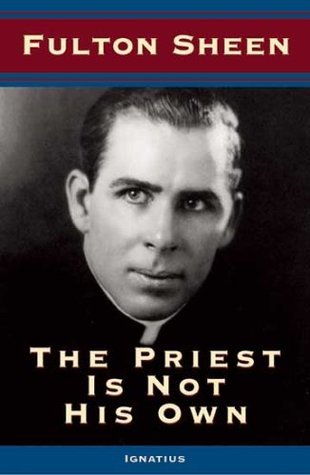
The Priest Is Not His Own
Discover the profound insights of "The Priest is Not His Own," a compelling book that delves into the spiritual and pastoral essence of priesthood. This influential work offers a deep exploration of the priest's role as a servant of Christ, emphasizing sacrifice and devotion in the service of others. Perfect for clergy and lay readers alike, it provides inspiration and guidance for those committed to the vocation of priesthood.
UNTAPPED POWER OF THE SARCRAMENTS
The Untapped Power of the Sacraments
The sacraments hold a profound and transformative power that often goes unnoticed or underutilized. These sacred rituals, instituted by Christ Himself, are channels through which God's grace flows into our lives, nourishing and strengthening our souls. Baptism: The sacrament of baptism is the gateway to the Christian life. Through the pouring of water and the invocation of the Holy Trinity, we are cleansed of original sin and become members of the Church. Baptism not only grants us forgiveness of sins but also infuses us with the Holy Spirit, marking us as God's beloved children. Confirmation: Confirmation is the sacrament in which we receive the fullness of the Holy Spirit. Through the anointing with chrism oil and the laying on of hands, we are sealed with the gifts of the Spirit and empowered to live as witnesses of Christ in the world. Confirmation strengthens our faith and equips us to face the challenges of discipleship. Eucharist: The Eucharist, also known as Holy Communion, is the sacrament in which we receive the body and blood of Christ. This sacred meal nourishes our souls and unites us with Christ and His Church. Through the Eucharist, we are transformed into the likeness of Christ and are given the grace to live as His disciples. Reconciliation: The sacrament of reconciliation, also called confession, offers us the opportunity to receive God's forgiveness and healing. Through the ministry of the priest, we confess our sins, receive absolution, and are reconciled with God and the Church. Reconciliation restores our relationship with God and strengthens our resolve to live in holiness. Matrimony and Holy Orders: The sacraments of matrimony and holy orders are vocations through which individuals are called to a life of service and love. Matrimony is a covenant between a man and a woman, while holy orders is the sacrament through which men are ordained as deacons, priests, or bishops. These sacraments bestow graces upon those called to these vocations and enable them to fulfill their respective roles in the Church. Anointing of the Sick: The sacrament of the anointing of the sick brings comfort, healing, and strength to those who are suffering from illness or facing the end of their earthly life. Through the anointing with oil and the prayers of the Church, the sick are united with the suffering of Christ and are given the grace to endure their trials with faith and hope. By fully embracing and participating in the sacraments, we open ourselves to the abundant grace and blessings that God desires to pour into our lives. Let us not overlook the untapped power of these sacred rituals and instead seek to encounter God's transformative love through them.The Untapped Power of the Sacraments
In the Catholic tradition, the sacraments are considered sacred rituals that bring individuals closer to God and provide them with spiritual nourishment. However, many people fail to fully understand and appreciate the power and significance of these sacraments in their lives. Baptism: The sacrament of baptism is the gateway to the Christian life. Through the pouring of water and the invocation of the Holy Trinity, individuals are cleansed of original sin and become members of the Church. Baptism marks the beginning of a lifelong journey of faith and opens the door to the other sacraments. Confirmation: Confirmation is the sacrament in which individuals receive the fullness of the Holy Spirit. Through the anointing with sacred chrism, they are strengthened in their faith and empowered to live as witnesses of Christ in the world. Confirmation provides the grace needed to face the challenges of life and to grow in holiness. Eucharist: The sacrament of the Eucharist, also known as Holy Communion, is the source and summit of the Christian life. In this sacrament, bread and wine are transformed into the body and blood of Christ. By receiving the Eucharist, individuals are united with Christ and with one another, and they are nourished spiritually. Reconciliation: Reconciliation, also known as confession, is the sacrament in which individuals receive God's forgiveness for their sins. Through the ministry of the priest, they confess their sins, express contrition, and receive absolution. Reconciliation brings about healing and reconciliation with God and with the Church. Marriage: The sacrament of marriage is a sacred covenant between a man and a woman. Through their exchange of vows, they become partners for life and are called to love and support each other. Marriage is a sacrament of love and unity, and it provides the grace needed to live out the vocation of marriage. Holy Orders: Holy Orders is the sacrament through which men are ordained as deacons, priests, or bishops. Through the laying on of hands by the bishop, individuals are consecrated for ministry in the Church. Holy Orders empowers individuals to serve the people of God and to bring them closer to Christ. By understanding and embracing the power of the sacraments, individuals can experience a deeper relationship with God and a greater sense of purpose in their lives. The sacraments are not mere rituals, but rather channels of God's grace that enable individuals to grow in holiness and to live out their faith more fully.

Reviews
There are no reviews yet.