










PILGRIM FELLOWSHIP OF FAITH
₦7,500.00
Pilgrim Fellowship of Faith
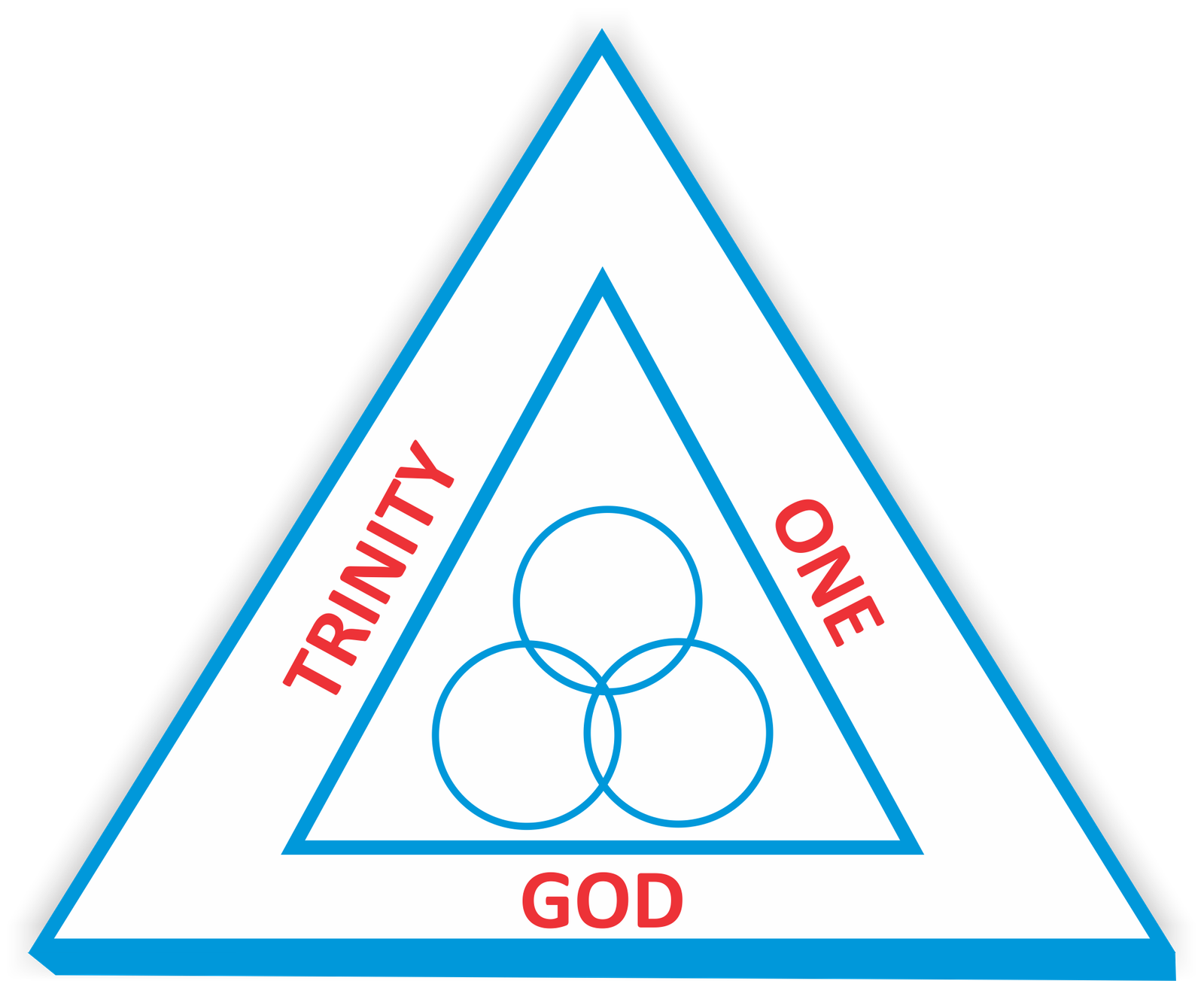
Welcome to the Pilgrim Fellowship of Faith, a community dedicated to nurturing spiritual growth and fostering a sense of belonging among believers. Our fellowship is rooted in the principles of faith, love, and unity, providing a space for individuals to connect, learn, and serve together.
Our Mission
At the Pilgrim Fellowship of Faith, our mission is to create an environment where people can deepen their relationship with God and one another. We strive to provide opportunities for spiritual growth through worship, study, and fellowship. Our community is built on the belief that faith is a journey, and we aim to support one another as we navigate the ups and downs of life.
What We Offer
As a member of the Pilgrim Fellowship of Faith, you can expect a variety of resources and activities designed to enhance your spiritual journey. We offer regular worship services where you can come together with fellow believers to praise and worship God. Our educational programs provide opportunities for learning and growth, with classes and workshops on various topics of faith and spirituality.
In addition to worship and education, we also prioritize fellowship and community service. Our fellowship events create opportunities for members to connect and build relationships, fostering a sense of belonging and support. We also organize community service projects to reach out and make a positive impact in the world around us.
Join us at the Pilgrim Fellowship of Faith and embark on a journey of faith, growth, and community. Together, we can navigate the challenges of life and experience the joy of a vibrant and thriving spiritual life.
Size and packaging guidelines
| Specification | Chair | Armchair | Sofas |
| Height | 37" | 42" | 42" |
| Width | 26.5" | 32.5" | 142" |
| Depth | 19.5" | 22.5" | 24.5" |
| Assembly Required | No | No | Yes |
| Packaging Type | Box | Box | Box |
| Package Weight | 55 lbs. | 64 lbs. | 180 lbs. |
| Packaging Dimensions | 27" x 26" x 39" | 45" x 35" x 24" | 46" x 142" x 25" |
Reviews (0)
Shipping & Delivery
Related products
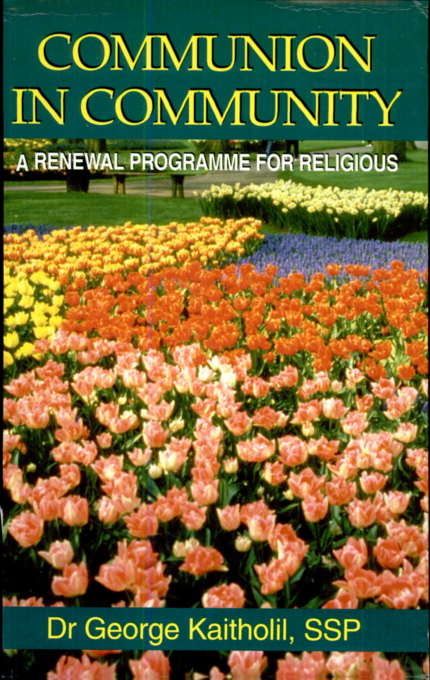
COMMUNION IN COMMUNITY
Communion in Community
Communion in community is a sacred and meaningful experience that brings people together in unity and fellowship. It is a time when individuals come together to share in a common purpose and to connect with one another on a deeper level. At its core, communion is a religious practice that symbolizes the sharing of bread and wine, representing the body and blood of Jesus Christ. It is a time for reflection, remembrance, and thanksgiving. But communion is not just about the act of partaking in bread and wine; it is also about the sense of community that is fostered during this special time. When people gather together to participate in communion, they are reminded of their shared beliefs and values. They are reminded that they are part of something greater than themselves – a community of faith. This sense of belonging and connection is vital for individuals to feel supported and encouraged in their spiritual journey. Communion in community also provides an opportunity for individuals to support and uplift one another. It is a time when people can come together to offer prayers, encouragement, and support for those in need. It is a time to celebrate joys and share burdens, knowing that they are not alone in their struggles. Furthermore, communion in community helps to foster a spirit of love, compassion, and forgiveness. It is a time when individuals can come together to reconcile and heal relationships, both with God and with one another. It is a time to let go of grudges, extend grace, and seek reconciliation. In conclusion, communion in community is a sacred and transformative practice that brings people together in unity and fellowship. It is a time for reflection, connection, support, and reconciliation. Through communion, individuals are reminded of their shared beliefs and values, and they are encouraged to live out these principles in their daily lives.
CONSECRATED LIFE
Discover the Beauty of Consecrated Life
Consecrated life is a sacred vocation that holds a special place within the Catholic Church. It is a calling to live a life of total dedication to God and service to others. Those who embrace this path commit themselves to a life of prayer, community living, and apostolic work.Embracing a Life of Prayer
At the heart of consecrated life is a deep commitment to prayer. Consecrated men and women spend significant time in prayer, seeking a closer relationship with God and discerning His will. Through daily prayer, they draw strength, guidance, and inspiration to carry out their mission in the world.Living in Community
Consecrated life also involves living in community with fellow religious brothers or sisters. This communal living fosters a spirit of unity, support, and shared mission. Together, they strive to create a loving and supportive environment where they can grow in holiness and serve others.Apostolic Work and Service
Consecrated men and women are called to serve others in a variety of ways. They may work in education, healthcare, social services, or other fields, using their unique gifts and talents to make a positive impact on the world. Through their apostolic work, they become a living witness of God's love and mercy. Consecrated life is a beautiful and fulfilling vocation that offers a unique opportunity to deepen one's relationship with God and serve others. It requires a deep sense of commitment, sacrifice, and selflessness. If you are discerning a call to consecrated life, we invite you to explore this noble path and discover the joy and fulfillment it can bring.
DIARY OF DIVINE MERCY
Introducing the Diary of Divine Mercy
Welcome to the world of spiritual enlightenment and profound devotion with the Diary of Divine Mercy. This extraordinary book is a powerful testament to the boundless love and mercy of God, as revealed to the humble Polish nun, Saint Faustina Kowalska.Discovering the Divine Mercy
In the Diary of Divine Mercy, Saint Faustina recounts her personal encounters with Jesus Christ and documents His messages of love, forgiveness, and compassion. This sacred text offers a unique insight into the depths of God's mercy and provides guidance on how to live a life of faith and devotion. Through her intimate conversations with Jesus, Saint Faustina shares profound revelations on the importance of trust, prayer, and repentance. The Diary of Divine Mercy serves as a spiritual guide, offering practical advice on how to cultivate a deeper relationship with God and embrace His mercy in our daily lives.Embracing God's Mercy
The Diary of Divine Mercy invites readers to reflect on the infinite love and mercy that God extends to all humanity. It encourages us to seek forgiveness, to show compassion towards others, and to trust in God's providence even in the face of adversity. By immersing ourselves in the pages of this sacred diary, we are reminded of the transformative power of God's mercy and the profound impact it can have on our lives. Through the Diary of Divine Mercy, we are invited to embark on a journey of spiritual growth and discover the true meaning of divine love and forgiveness. Experience the Diary of Divine Mercy today and allow its timeless wisdom to inspire and guide you towards a deeper understanding of God's boundless mercy.
DOGMA OF HELL
The Dogma of Hell: Understanding the Concept
In religious and theological contexts, the concept of Hell has been a subject of much debate and speculation. The Dogma of Hell refers to the belief in the existence of a place of eternal punishment for those who have committed grave sins or rejected divine grace. According to this dogma, Hell is portrayed as a realm of torment and suffering, where the souls of the damned are condemned to spend eternity. It is often described as a place of fire and brimstone, where the wicked are punished for their sins.Theological Perspectives on Hell
Various religious traditions have different interpretations of Hell. In Christianity, for example, Hell is seen as a consequence of the rejection of God's love and mercy. It is believed to be a place of separation from God, where the souls of sinners are eternally cut off from His presence. From a philosophical standpoint, the concept of Hell raises questions about the nature of justice, punishment, and the afterlife. It is often seen as a moral deterrent, serving as a warning against committing evil actions. The belief in Hell also provides a sense of justice, as it suggests that wrongdoers will ultimately face the consequences of their actions.Contemporary Interpretations
In modern times, the Dogma of Hell has been subject to reinterpretation and criticism. Some theologians and religious scholars argue for a more metaphorical understanding of Hell, suggesting that it represents a state of spiritual separation from God rather than a literal place of punishment. Others question the fairness and justice of eternal damnation, asserting that a loving and merciful God would not condemn individuals to infinite suffering. These alternative perspectives seek to reconcile the concept of Hell with notions of divine love, forgiveness, and redemption. Ultimately, the Dogma of Hell remains a complex and multifaceted aspect of religious belief. It continues to provoke theological discussions and reflections on the nature of sin, punishment, and the afterlife.
EUCHARISTIC MIRACLES
Eucharistic Miracles
Eucharistic miracles are extraordinary events that have been reported throughout history, involving the transformation of the bread and wine into the body and blood of Jesus Christ during the Catholic Mass. These miracles serve as a testament to the real presence of Christ in the Eucharist and have been witnessed by countless individuals around the world. One notable example of a Eucharistic miracle is the Miracle of Lanciano, which occurred in the 8th century in Italy. During the Mass, the bread and wine miraculously transformed into flesh and blood. This miracle has been scientifically studied and the flesh has been determined to be human cardiac tissue, while the blood is of type AB, which is the same blood type found on the Shroud of Turin. Another remarkable Eucharistic miracle took place in Buenos Aires, Argentina in 1996. A consecrated host that had fallen to the ground was placed in a container of water to dissolve. However, after a few days, the host had transformed into a bloody substance. This miracle was examined by a team of scientists and determined to be human blood. These Eucharistic miracles serve as a powerful reminder of the sacredness and mystery of the Eucharist. They provide believers with tangible evidence of the presence of Christ in the sacrament and inspire devotion and reverence. The Church recognizes these miracles as signs of God's love and invites all to deepen their faith and belief in the real presence of Christ in the Eucharist.
ST THOMAS BECKET
The Life and Legacy of St. Thomas Becket
St. Thomas Becket, also known as Thomas of Canterbury, was a prominent figure in English history during the 12th century. Born in London in 1118, Becket rose to become the Archbishop of Canterbury, one of the most prestigious positions in the Catholic Church. Becket's story is one of courage, conviction, and martyrdom. As Archbishop, he clashed with King Henry II over the rights and privileges of the Church. Becket staunchly defended the Church's independence and refused to bow to the king's demands. This led to a bitter conflict between the two powerful figures. In 1170, tensions reached a boiling point when four knights loyal to the king murdered Becket in Canterbury Cathedral. This shocking act of violence shocked the nation and turned Becket into a martyr and a symbol of resistance against royal authority.Becket's Legacy
St. Thomas Becket's murder sparked outrage across Europe and led to a wave of pilgrimages to his tomb in Canterbury. His martyrdom also had a profound impact on the power dynamics between church and state. Becket's steadfast defense of the Church's autonomy influenced the development of English law and the concept of religious freedom. His martyrdom also strengthened the authority of the papacy and the Catholic Church as a whole.Remembering St. Thomas Becket
Today, St. Thomas Becket is remembered as a martyr, a saint, and a symbol of courage in the face of oppression. His shrine at Canterbury Cathedral continues to attract pilgrims from around the world, and his story serves as a reminder of the enduring power of faith and conviction.
UNTAPPED POWER OF THE SARCRAMENTS
The Untapped Power of the Sacraments
The sacraments hold a profound and transformative power that often goes unnoticed or underutilized. These sacred rituals, instituted by Christ Himself, are channels through which God's grace flows into our lives, nourishing and strengthening our souls. Baptism: The sacrament of baptism is the gateway to the Christian life. Through the pouring of water and the invocation of the Holy Trinity, we are cleansed of original sin and become members of the Church. Baptism not only grants us forgiveness of sins but also infuses us with the Holy Spirit, marking us as God's beloved children. Confirmation: Confirmation is the sacrament in which we receive the fullness of the Holy Spirit. Through the anointing with chrism oil and the laying on of hands, we are sealed with the gifts of the Spirit and empowered to live as witnesses of Christ in the world. Confirmation strengthens our faith and equips us to face the challenges of discipleship. Eucharist: The Eucharist, also known as Holy Communion, is the sacrament in which we receive the body and blood of Christ. This sacred meal nourishes our souls and unites us with Christ and His Church. Through the Eucharist, we are transformed into the likeness of Christ and are given the grace to live as His disciples. Reconciliation: The sacrament of reconciliation, also called confession, offers us the opportunity to receive God's forgiveness and healing. Through the ministry of the priest, we confess our sins, receive absolution, and are reconciled with God and the Church. Reconciliation restores our relationship with God and strengthens our resolve to live in holiness. Matrimony and Holy Orders: The sacraments of matrimony and holy orders are vocations through which individuals are called to a life of service and love. Matrimony is a covenant between a man and a woman, while holy orders is the sacrament through which men are ordained as deacons, priests, or bishops. These sacraments bestow graces upon those called to these vocations and enable them to fulfill their respective roles in the Church. Anointing of the Sick: The sacrament of the anointing of the sick brings comfort, healing, and strength to those who are suffering from illness or facing the end of their earthly life. Through the anointing with oil and the prayers of the Church, the sick are united with the suffering of Christ and are given the grace to endure their trials with faith and hope. By fully embracing and participating in the sacraments, we open ourselves to the abundant grace and blessings that God desires to pour into our lives. Let us not overlook the untapped power of these sacred rituals and instead seek to encounter God's transformative love through them.The Untapped Power of the Sacraments
In the Catholic tradition, the sacraments are considered sacred rituals that bring individuals closer to God and provide them with spiritual nourishment. However, many people fail to fully understand and appreciate the power and significance of these sacraments in their lives. Baptism: The sacrament of baptism is the gateway to the Christian life. Through the pouring of water and the invocation of the Holy Trinity, individuals are cleansed of original sin and become members of the Church. Baptism marks the beginning of a lifelong journey of faith and opens the door to the other sacraments. Confirmation: Confirmation is the sacrament in which individuals receive the fullness of the Holy Spirit. Through the anointing with sacred chrism, they are strengthened in their faith and empowered to live as witnesses of Christ in the world. Confirmation provides the grace needed to face the challenges of life and to grow in holiness. Eucharist: The sacrament of the Eucharist, also known as Holy Communion, is the source and summit of the Christian life. In this sacrament, bread and wine are transformed into the body and blood of Christ. By receiving the Eucharist, individuals are united with Christ and with one another, and they are nourished spiritually. Reconciliation: Reconciliation, also known as confession, is the sacrament in which individuals receive God's forgiveness for their sins. Through the ministry of the priest, they confess their sins, express contrition, and receive absolution. Reconciliation brings about healing and reconciliation with God and with the Church. Marriage: The sacrament of marriage is a sacred covenant between a man and a woman. Through their exchange of vows, they become partners for life and are called to love and support each other. Marriage is a sacrament of love and unity, and it provides the grace needed to live out the vocation of marriage. Holy Orders: Holy Orders is the sacrament through which men are ordained as deacons, priests, or bishops. Through the laying on of hands by the bishop, individuals are consecrated for ministry in the Church. Holy Orders empowers individuals to serve the people of God and to bring them closer to Christ. By understanding and embracing the power of the sacraments, individuals can experience a deeper relationship with God and a greater sense of purpose in their lives. The sacraments are not mere rituals, but rather channels of God's grace that enable individuals to grow in holiness and to live out their faith more fully.

Reviews
There are no reviews yet.