










RELIGIOUS FORMATOR
₦1,900.00
Introducing our Religious Formator
Are you looking for a knowledgeable and experienced individual to guide you in your religious journey? Look no further than our Religious Formator. With years of expertise in religious studies and a deep understanding of various faith traditions, our formator is dedicated to helping individuals deepen their spiritual connection and grow in their religious beliefs.
What is a Religious Formator?
A Religious Formator is a trusted mentor and guide who assists individuals in their religious formation. They provide valuable insights, teachings, and support to help individuals develop a deeper understanding of their faith and strengthen their spiritual practices. Our formator is well-versed in religious texts, rituals, and traditions, allowing them to offer comprehensive guidance tailored to each individual’s unique needs and beliefs.
How Can Our Religious Formator Help You?
Our Religious Formator offers personalized guidance and support to individuals seeking to deepen their religious knowledge and practice. Whether you are a beginner exploring different faith traditions or a seasoned believer looking to enhance your spiritual journey, our formator can assist you in the following ways:
- Providing in-depth teachings on religious texts and doctrines
- Offering guidance on prayer, meditation, and spiritual practices
- Assisting in the interpretation and understanding of religious rituals and traditions
- Addressing questions and doubts related to faith and spirituality
- Supporting individuals in their personal spiritual growth and development
Our Religious Formator is committed to creating a safe and respectful environment where individuals can explore their religious beliefs and find guidance on their spiritual path. Whether you are seeking clarity, inspiration, or a deeper connection with your faith, our formator is here to assist you every step of the way.
Size and packaging guidelines
| Specification | Chair | Armchair | Sofas |
| Height | 37" | 42" | 42" |
| Width | 26.5" | 32.5" | 142" |
| Depth | 19.5" | 22.5" | 24.5" |
| Assembly Required | No | No | Yes |
| Packaging Type | Box | Box | Box |
| Package Weight | 55 lbs. | 64 lbs. | 180 lbs. |
| Packaging Dimensions | 27" x 26" x 39" | 45" x 35" x 24" | 46" x 142" x 25" |
Reviews (0)
Shipping & Delivery
Related products
CONSECRATED LIFE
Discover the Beauty of Consecrated Life
Consecrated life is a sacred vocation that holds a special place within the Catholic Church. It is a calling to live a life of total dedication to God and service to others. Those who embrace this path commit themselves to a life of prayer, community living, and apostolic work.Embracing a Life of Prayer
At the heart of consecrated life is a deep commitment to prayer. Consecrated men and women spend significant time in prayer, seeking a closer relationship with God and discerning His will. Through daily prayer, they draw strength, guidance, and inspiration to carry out their mission in the world.Living in Community
Consecrated life also involves living in community with fellow religious brothers or sisters. This communal living fosters a spirit of unity, support, and shared mission. Together, they strive to create a loving and supportive environment where they can grow in holiness and serve others.Apostolic Work and Service
Consecrated men and women are called to serve others in a variety of ways. They may work in education, healthcare, social services, or other fields, using their unique gifts and talents to make a positive impact on the world. Through their apostolic work, they become a living witness of God's love and mercy. Consecrated life is a beautiful and fulfilling vocation that offers a unique opportunity to deepen one's relationship with God and serve others. It requires a deep sense of commitment, sacrifice, and selflessness. If you are discerning a call to consecrated life, we invite you to explore this noble path and discover the joy and fulfillment it can bring.
DOGMA OF HELL
The Dogma of Hell: Understanding the Concept
In religious and theological contexts, the concept of Hell has been a subject of much debate and speculation. The Dogma of Hell refers to the belief in the existence of a place of eternal punishment for those who have committed grave sins or rejected divine grace. According to this dogma, Hell is portrayed as a realm of torment and suffering, where the souls of the damned are condemned to spend eternity. It is often described as a place of fire and brimstone, where the wicked are punished for their sins.Theological Perspectives on Hell
Various religious traditions have different interpretations of Hell. In Christianity, for example, Hell is seen as a consequence of the rejection of God's love and mercy. It is believed to be a place of separation from God, where the souls of sinners are eternally cut off from His presence. From a philosophical standpoint, the concept of Hell raises questions about the nature of justice, punishment, and the afterlife. It is often seen as a moral deterrent, serving as a warning against committing evil actions. The belief in Hell also provides a sense of justice, as it suggests that wrongdoers will ultimately face the consequences of their actions.Contemporary Interpretations
In modern times, the Dogma of Hell has been subject to reinterpretation and criticism. Some theologians and religious scholars argue for a more metaphorical understanding of Hell, suggesting that it represents a state of spiritual separation from God rather than a literal place of punishment. Others question the fairness and justice of eternal damnation, asserting that a loving and merciful God would not condemn individuals to infinite suffering. These alternative perspectives seek to reconcile the concept of Hell with notions of divine love, forgiveness, and redemption. Ultimately, the Dogma of Hell remains a complex and multifaceted aspect of religious belief. It continues to provoke theological discussions and reflections on the nature of sin, punishment, and the afterlife.
EUCHARISTIC MIRACLES
Eucharistic Miracles
Eucharistic miracles are extraordinary events that have been reported throughout history, involving the transformation of the bread and wine into the body and blood of Jesus Christ during the Catholic Mass. These miracles serve as a testament to the real presence of Christ in the Eucharist and have been witnessed by countless individuals around the world. One notable example of a Eucharistic miracle is the Miracle of Lanciano, which occurred in the 8th century in Italy. During the Mass, the bread and wine miraculously transformed into flesh and blood. This miracle has been scientifically studied and the flesh has been determined to be human cardiac tissue, while the blood is of type AB, which is the same blood type found on the Shroud of Turin. Another remarkable Eucharistic miracle took place in Buenos Aires, Argentina in 1996. A consecrated host that had fallen to the ground was placed in a container of water to dissolve. However, after a few days, the host had transformed into a bloody substance. This miracle was examined by a team of scientists and determined to be human blood. These Eucharistic miracles serve as a powerful reminder of the sacredness and mystery of the Eucharist. They provide believers with tangible evidence of the presence of Christ in the sacrament and inspire devotion and reverence. The Church recognizes these miracles as signs of God's love and invites all to deepen their faith and belief in the real presence of Christ in the Eucharist.
GLORIES OF MARY
The Glories of Mary
Mary, the mother of Jesus, holds a special place in the hearts of millions of believers around the world. Her role in the Christian faith is revered and celebrated, and her virtues and qualities are seen as a source of inspiration and guidance.The Virtues of Mary
Mary is often described as the epitome of virtue. Her humility, obedience, and faithfulness are qualities that believers strive to emulate. Her unwavering devotion to God and her willingness to accept God's plan for her life are seen as shining examples of what it means to be a faithful servant. In addition to her virtues, Mary is also known for her role as the mother of Jesus. Her love for her son and her unwavering support during his ministry and crucifixion are seen as a testament to her strength and courage.Mary in Scripture and Tradition
The glories of Mary are not only found in scripture but also in the rich tradition of the Catholic Church. Mary is venerated as the Queen of Heaven and is believed to intercede for believers in their prayers to God. Throughout history, countless miracles and blessings have been attributed to Mary's intercession. Believers turn to her in times of need, seeking her guidance, comfort, and protection. Whether through prayer, devotion, or acts of service, the glories of Mary continue to inspire and uplift believers around the world. Her example of faith and virtue serves as a reminder of the power of God's love and the importance of living a life centered on Him.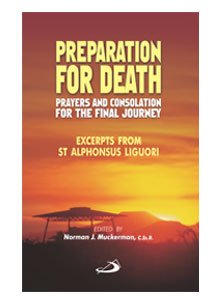
Preparation for Death : Prayers and Consolation for the Final Journey
Preparation for Death: Prayers and Consolation for the Final Journey Book by St. Alphonsus Liguori
Are you looking for guidance and solace as you prepare for the inevitable journey of death? Look no further than the book "Preparation for Death: Prayers and Consolation for the Final Journey" by St. Alphonsus Liguori. This profound and thought-provoking book offers a comprehensive guide to help you navigate the spiritual and emotional aspects of facing mortality. St. Alphonsus Liguori, a renowned Italian bishop and spiritual writer, shares his wisdom and insights on the subject of death in this timeless masterpiece. Through a series of prayers, reflections, and consoling words, he offers comfort and guidance to those who are preparing for the final journey.Key Features:
1. Prayerful Guidance: St. Alphonsus Liguori provides a collection of powerful prayers that can be used to seek solace, forgiveness, and spiritual strength during the challenging moments leading up to death. 2. Reflections on Mortality: The book delves into the reality of death and encourages readers to reflect on the brevity of life. It offers profound insights into the importance of spiritual preparation and the need to prioritize eternal salvation. 3. Consolation and Hope: St. Alphonsus Liguori's words bring comfort to those who are facing the uncertainty of death. He offers reassurance that God's mercy and love are ever-present, providing hope and peace in the midst of fear and anxiety. Whether you are personally preparing for death or seeking to support a loved one on their final journey, "Preparation for Death: Prayers and Consolation for the Final Journey" is a valuable resource. It will inspire and uplift your spirit, reminding you of the importance of faith, prayer, and the eternal journey that awaits us all.
ST DOMINIC -WOOD GATE
Introducing St. Dominic - Wood Gate
Enhance the beauty and security of your property with the exquisite St. Dominic Wood Gate. Crafted with precision and attention to detail, this gate is a perfect blend of elegance and durability.Unmatched Quality
Our St. Dominic Wood Gate is made from high-quality wood, ensuring its longevity and resistance to weather conditions. The carefully selected wood is treated to protect against rot, decay, and insect damage, guaranteeing a gate that will stand the test of time.Stylish Design
The St. Dominic Wood Gate features a classic design that effortlessly complements any architectural style. Its timeless appeal adds an element of sophistication to your property, while the sturdy construction provides an added layer of security. Available in various sizes, the gate can be customized to fit your specific requirements. Whether you need a single or double gate, we have the perfect solution for you.Easy Installation
Installing the St. Dominic Wood Gate is a breeze. With our detailed instructions and all the necessary hardware included, you can have your gate up and running in no time. Additionally, our friendly customer support team is always available to assist you with any questions or concerns you may have. Invest in the St. Dominic Wood Gate and elevate the aesthetic appeal and security of your property. With its unmatched quality, stylish design, and easy installation, this gate is the perfect addition to any home or business.
ST MARIA GORETTI
About St. Maria Goretti
St. Maria Goretti was an Italian virgin-martyr who is venerated as a saint in the Catholic Church. Born on October 16, 1890, in Corinaldo, Italy, she lived a short but remarkable life. Maria's family was poor, and they lived in a small town where they worked as sharecroppers.Martyrdom and Canonization
At the age of 11, Maria was attacked by a neighbor named Alessandro Serenelli. He attempted to rape her but she resisted, choosing to protect her purity. In the process, Alessandro stabbed her multiple times, leading to her death the following day. Maria's incredible forgiveness and love for her attacker became a powerful testimony of God's grace. Before her death, she forgave Alessandro and expressed her desire for him to be with her in heaven. This act of forgiveness and her unwavering commitment to her faith made her a symbol of purity and virtue. In 1950, Maria was canonized by Pope Pius XII, and her mother, siblings, and Alessandro were present at the ceremony. She is the patron saint of youth, purity, and victims of rape.Legacy and Devotion
St. Maria Goretti's story continues to inspire people around the world. Her unwavering faith, forgiveness, and commitment to purity serve as a reminder of the power of God's love and grace. Many churches and schools are named after her, and her relics are venerated by the faithful. Her life serves as an example of the importance of chastity, forgiveness, and the pursuit of holiness. St. Maria Goretti's feast day is celebrated on July 6th, and her intercession is sought by those in need of strength, purity, and healing.

Reviews
There are no reviews yet.