

















SAINT PAUL THE APOSTLE
₦1,500.00
Saint Paul the Apostle
Saint Paul the Apostle, also known as Paul of Tarsus, was a prominent figure in early Christianity. He played a significant role in spreading the teachings of Jesus Christ and establishing Christian communities throughout the Roman Empire.
Born in Tarsus, a city in modern-day Turkey, Paul was originally known as Saul. He was a devout Jew and initially persecuted Christians. However, his life took a dramatic turn when he had a transformative encounter with Jesus on the road to Damascus. This experience led to his conversion to Christianity and a lifelong commitment to spreading the Gospel.
Paul’s writings are an integral part of the New Testament. His letters, known as the Pauline Epistles, provide valuable insights into the early Christian community and address various theological and practical issues. Some of his notable epistles include Romans, Corinthians, and Galatians.
Paul’s missionary journeys were extensive, and he traveled throughout the eastern Mediterranean, establishing churches and preaching to both Jews and Gentiles. He faced numerous challenges and hardships, including imprisonment and persecution, but remained steadfast in his faith and commitment to his mission.
Paul’s teachings emphasized the importance of faith in Jesus Christ, the concept of salvation through grace, and the unity of all believers in Christ. He played a crucial role in shaping the early Christian theology and contributed significantly to the development of the early Church.
Saint Paul the Apostle’s legacy continues to inspire and guide Christians worldwide. His life and teachings serve as a testament to the transformative power of faith and the enduring impact of one individual’s dedication to spreading the Gospel.
Size and packaging guidelines
| Specification | Chair | Armchair | Sofas |
| Height | 37" | 42" | 42" |
| Width | 26.5" | 32.5" | 142" |
| Depth | 19.5" | 22.5" | 24.5" |
| Assembly Required | No | No | Yes |
| Packaging Type | Box | Box | Box |
| Package Weight | 55 lbs. | 64 lbs. | 180 lbs. |
| Packaging Dimensions | 27" x 26" x 39" | 45" x 35" x 24" | 46" x 142" x 25" |
Reviews (0)
Shipping & Delivery
Related products
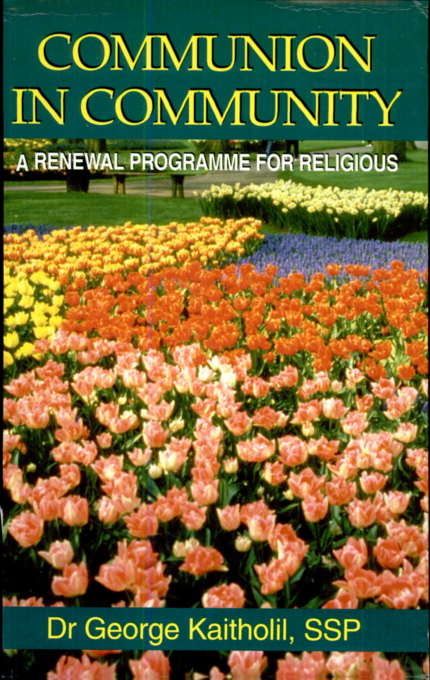
COMMUNION IN COMMUNITY
Communion in Community
Communion in community is a sacred and meaningful experience that brings people together in unity and fellowship. It is a time when individuals come together to share in a common purpose and to connect with one another on a deeper level. At its core, communion is a religious practice that symbolizes the sharing of bread and wine, representing the body and blood of Jesus Christ. It is a time for reflection, remembrance, and thanksgiving. But communion is not just about the act of partaking in bread and wine; it is also about the sense of community that is fostered during this special time. When people gather together to participate in communion, they are reminded of their shared beliefs and values. They are reminded that they are part of something greater than themselves – a community of faith. This sense of belonging and connection is vital for individuals to feel supported and encouraged in their spiritual journey. Communion in community also provides an opportunity for individuals to support and uplift one another. It is a time when people can come together to offer prayers, encouragement, and support for those in need. It is a time to celebrate joys and share burdens, knowing that they are not alone in their struggles. Furthermore, communion in community helps to foster a spirit of love, compassion, and forgiveness. It is a time when individuals can come together to reconcile and heal relationships, both with God and with one another. It is a time to let go of grudges, extend grace, and seek reconciliation. In conclusion, communion in community is a sacred and transformative practice that brings people together in unity and fellowship. It is a time for reflection, connection, support, and reconciliation. Through communion, individuals are reminded of their shared beliefs and values, and they are encouraged to live out these principles in their daily lives.
DIARY OF DIVINE MERCY
Introducing the Diary of Divine Mercy
Welcome to the world of spiritual enlightenment and profound devotion with the Diary of Divine Mercy. This extraordinary book is a powerful testament to the boundless love and mercy of God, as revealed to the humble Polish nun, Saint Faustina Kowalska.Discovering the Divine Mercy
In the Diary of Divine Mercy, Saint Faustina recounts her personal encounters with Jesus Christ and documents His messages of love, forgiveness, and compassion. This sacred text offers a unique insight into the depths of God's mercy and provides guidance on how to live a life of faith and devotion. Through her intimate conversations with Jesus, Saint Faustina shares profound revelations on the importance of trust, prayer, and repentance. The Diary of Divine Mercy serves as a spiritual guide, offering practical advice on how to cultivate a deeper relationship with God and embrace His mercy in our daily lives.Embracing God's Mercy
The Diary of Divine Mercy invites readers to reflect on the infinite love and mercy that God extends to all humanity. It encourages us to seek forgiveness, to show compassion towards others, and to trust in God's providence even in the face of adversity. By immersing ourselves in the pages of this sacred diary, we are reminded of the transformative power of God's mercy and the profound impact it can have on our lives. Through the Diary of Divine Mercy, we are invited to embark on a journey of spiritual growth and discover the true meaning of divine love and forgiveness. Experience the Diary of Divine Mercy today and allow its timeless wisdom to inspire and guide you towards a deeper understanding of God's boundless mercy.
SACRAMENTS WHAT AND WHY
What are Sacraments?
Sacraments are sacred rituals or ceremonies in the Christian faith that are believed to be instituted by Jesus Christ. They are considered essential for the spiritual growth and salvation of believers. The Catholic Church recognizes seven sacraments: Baptism, Confirmation, Holy Eucharist, Reconciliation, Anointing of the Sick, Holy Orders, and Matrimony.Why are Sacraments Important?
The sacraments hold great significance in the Christian faith for several reasons:- Grace and Spiritual Nourishment: Sacraments are believed to confer the grace of God upon individuals, strengthening their relationship with Him and providing spiritual nourishment for their journey of faith.
- Symbolic Representation: Each sacrament has its own symbolic elements that represent different aspects of Christian life, such as initiation into the Church, forgiveness of sins, healing, and the commitment to a lifelong union.
- Community and Unity: Sacraments are often celebrated within a community, fostering a sense of unity and shared faith among believers. They serve as a reminder of the communal nature of the Church and the importance of supporting one another in the spiritual journey.
- Continuity with Tradition: Sacraments have been practiced in the Christian tradition for centuries, connecting believers to the rich history of their faith and the teachings of Jesus Christ.
- Personal Transformation: Through the sacraments, individuals are invited to experience personal transformation and growth in their relationship with God, as they receive His grace and respond to His call.
SAINTS TODAY
Saints Today: How Can I Be One Too?
Many people admire saints for their exceptional virtues and their dedication to living a righteous life. While becoming a saint may seem like an unattainable goal, there are steps you can take to cultivate saintly qualities in your own life.1. Cultivate Virtues
Saints are known for their virtues, such as compassion, humility, patience, and selflessness. To become more like a saint, focus on developing these virtues in your own life. Practice acts of kindness and generosity, seek to understand and empathize with others, and strive to be patient and forgiving.2. Deepen Your Spirituality
Saints have a deep connection with their spiritual beliefs and dedicate their lives to serving a higher purpose. To follow in their footsteps, explore your own spirituality and deepen your relationship with your faith or belief system. This can be done through prayer, meditation, attending religious services, or engaging in spiritual practices that resonate with you.3. Serve Others
Saints are known for their selfless service to others. Look for opportunities to help those in need, whether through volunteering, donating to charitable causes, or simply offering a helping hand to a friend or neighbor. By putting the needs of others before your own, you can cultivate a spirit of service and make a positive impact on the world around you. While becoming a saint may not be an easy or straightforward path, it is possible to embody saintly qualities in your own life. By cultivating virtues, deepening your spirituality, and serving others, you can strive to live a life that is aligned with the ideals of the saints.
ST MARTIN DE PORRES
Saint Martin de Porres: A Devout and Compassionate Saint
Saint Martin de Porres, also known as the "Saint of the Broom," was a Peruvian Dominican lay brother who lived in the 16th century. He is revered for his deep faith, selflessness, and dedication to serving others. Early Life and Faith Born in Lima, Peru in 1579, Martin de Porres faced many challenges due to his mixed-race heritage. Despite the discrimination he faced, he remained steadfast in his faith and dedicated his life to serving God and others. Compassion and Healing Saint Martin de Porres had a special gift for healing the sick and comforting the suffering. Many sought his assistance, and he would often spend hours praying with them and offering them solace. His compassion and kindness were renowned, and he became a symbol of hope for the marginalized and oppressed. Humility and Service One of the most notable aspects of Saint Martin de Porres' life was his humility and commitment to serving others. Despite his extraordinary abilities and reputation, he considered himself unworthy and chose to perform menial tasks, such as cleaning and sweeping, in the monastery. He saw these tasks as opportunities to serve God and his fellow brothers. Legacy and Canonization Saint Martin de Porres' legacy lives on through the countless lives he touched and the miracles attributed to his intercession. He was canonized by Pope John XXIII in 1962 and is now recognized as the patron saint of mixed-race people, barbers, and public health workers. In conclusion, Saint Martin de Porres is a shining example of faith, compassion, and humility. His life serves as an inspiration to all, reminding us to serve others selflessly and to embrace the diversity and beauty of all God's children.
THE WAY
The Way - A Revolutionary Product for Personal Transportation
Introducing The Way, a groundbreaking innovation in personal transportation. This state-of-the-art device is designed to revolutionize the way we commute, offering a convenient and eco-friendly alternative to traditional modes of transportation.Efficiency and Convenience
The Way is compact and lightweight, making it incredibly easy to maneuver through crowded streets and navigate tight spaces. Its sleek design and intuitive controls ensure a smooth and effortless ride, allowing you to effortlessly glide through your daily commute. Equipped with advanced lithium-ion batteries, The Way offers an impressive range of up to 30 miles on a single charge. This means you can travel to work, run errands, or explore the city without worrying about running out of power.Environmentally Friendly
At The Way, we are committed to reducing our carbon footprint and preserving the environment. That's why The Way is powered by electricity, emitting zero emissions and contributing to cleaner air and a healthier planet. By choosing The Way as your preferred mode of transportation, you are not only making a smart choice for yourself but also for future generations.Safe and Reliable
Your safety is our top priority. The Way is equipped with advanced safety features, including an anti-lock braking system and LED lights for enhanced visibility. Its sturdy construction and durable materials ensure a safe and reliable ride, even in challenging weather conditions. With The Way, you can confidently navigate the urban landscape, knowing that you are in control of a reliable and secure mode of transportation. Experience the future of personal transportation with The Way. Say goodbye to traffic jams, parking hassles, and harmful emissions. Embrace a greener and more efficient way of getting around with The Way.
VOCATIONAL ACCOMPANIMENT
Enhance Your Vocational Journey with Vocational Accompaniment
Embarking on a vocational journey can be both exciting and challenging. Whether you are a student exploring career options or a professional looking to make a career change, having the right support and guidance can make all the difference. That's where vocational accompaniment comes in. Vocational accompaniment is a personalized service that provides individuals with the necessary tools and resources to navigate their vocational path successfully. It involves working closely with a trained professional who understands the intricacies of the job market and can offer valuable insights and advice. With vocational accompaniment, you can expect a tailored approach that takes into account your unique goals, interests, and skills. Your accompaniment professional will help you identify your strengths and weaknesses, explore different career options, and develop a strategic plan to achieve your vocational objectives. One of the key advantages of vocational accompaniment is the ongoing support it provides. Your accompaniment professional will be there to guide you every step of the way, offering encouragement, motivation, and constructive feedback. They will help you overcome obstacles and navigate any challenges that may arise during your vocational journey. Whether you need assistance with job searching, resume writing, interview preparation, or career advancement, vocational accompaniment can provide you with the expertise and support you need. By leveraging the knowledge and experience of a vocational accompaniment professional, you can make more informed decisions and increase your chances of success. Investing in vocational accompaniment is an investment in your future. It is a proactive step towards achieving your vocational goals and realizing your full potential. So why navigate the vocational landscape alone when you can have a trusted companion by your side?

Reviews
There are no reviews yet.