












SAINT PAUL THE APOSTLE
₦1,500.00
Saint Paul the Apostle
Saint Paul the Apostle, also known as Paul of Tarsus, was a prominent figure in early Christianity. He played a significant role in spreading the teachings of Jesus Christ and establishing Christian communities throughout the Roman Empire.
Born in Tarsus, a city in modern-day Turkey, Paul was originally known as Saul. He was a devout Jew and initially persecuted Christians. However, his life took a dramatic turn when he had a transformative encounter with Jesus on the road to Damascus. This experience led to his conversion to Christianity and a lifelong commitment to spreading the Gospel.
Paul’s writings are an integral part of the New Testament. His letters, known as the Pauline Epistles, provide valuable insights into the early Christian community and address various theological and practical issues. Some of his notable epistles include Romans, Corinthians, and Galatians.
Paul’s missionary journeys were extensive, and he traveled throughout the eastern Mediterranean, establishing churches and preaching to both Jews and Gentiles. He faced numerous challenges and hardships, including imprisonment and persecution, but remained steadfast in his faith and commitment to his mission.
Paul’s teachings emphasized the importance of faith in Jesus Christ, the concept of salvation through grace, and the unity of all believers in Christ. He played a crucial role in shaping the early Christian theology and contributed significantly to the development of the early Church.
Saint Paul the Apostle’s legacy continues to inspire and guide Christians worldwide. His life and teachings serve as a testament to the transformative power of faith and the enduring impact of one individual’s dedication to spreading the Gospel.
Size and packaging guidelines
| Specification | Chair | Armchair | Sofas |
| Height | 37" | 42" | 42" |
| Width | 26.5" | 32.5" | 142" |
| Depth | 19.5" | 22.5" | 24.5" |
| Assembly Required | No | No | Yes |
| Packaging Type | Box | Box | Box |
| Package Weight | 55 lbs. | 64 lbs. | 180 lbs. |
| Packaging Dimensions | 27" x 26" x 39" | 45" x 35" x 24" | 46" x 142" x 25" |
Reviews (0)
Shipping & Delivery
Related products
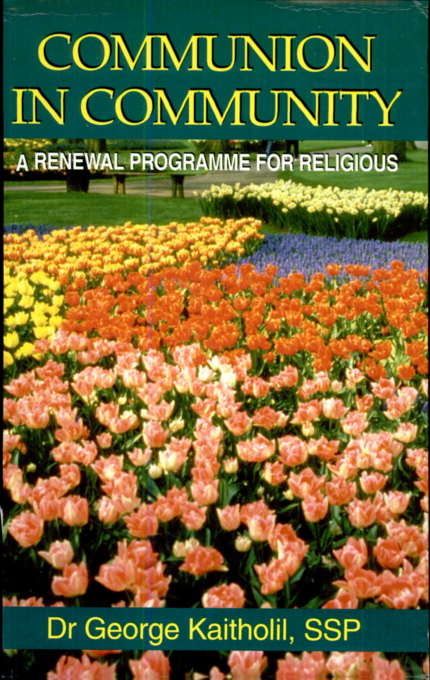
COMMUNION IN COMMUNITY
Communion in Community
Communion in community is a sacred and meaningful experience that brings people together in unity and fellowship. It is a time when individuals come together to share in a common purpose and to connect with one another on a deeper level. At its core, communion is a religious practice that symbolizes the sharing of bread and wine, representing the body and blood of Jesus Christ. It is a time for reflection, remembrance, and thanksgiving. But communion is not just about the act of partaking in bread and wine; it is also about the sense of community that is fostered during this special time. When people gather together to participate in communion, they are reminded of their shared beliefs and values. They are reminded that they are part of something greater than themselves – a community of faith. This sense of belonging and connection is vital for individuals to feel supported and encouraged in their spiritual journey. Communion in community also provides an opportunity for individuals to support and uplift one another. It is a time when people can come together to offer prayers, encouragement, and support for those in need. It is a time to celebrate joys and share burdens, knowing that they are not alone in their struggles. Furthermore, communion in community helps to foster a spirit of love, compassion, and forgiveness. It is a time when individuals can come together to reconcile and heal relationships, both with God and with one another. It is a time to let go of grudges, extend grace, and seek reconciliation. In conclusion, communion in community is a sacred and transformative practice that brings people together in unity and fellowship. It is a time for reflection, connection, support, and reconciliation. Through communion, individuals are reminded of their shared beliefs and values, and they are encouraged to live out these principles in their daily lives.
EVERYDAY SAINTS
Introducing Everyday Saints
Everyday Saints is a unique collection of inspiring stories that showcases the extraordinary acts of ordinary people. This book is a celebration of the unsung heroes who make a difference in the world through their kindness, compassion, and selflessness.Discover the Power of Small Actions
In Everyday Saints, you will embark on a journey that explores the profound impact of small actions. Through heartwarming anecdotes and powerful narratives, this book reveals how simple acts of love, generosity, and empathy can transform lives and communities.Inspiration for Everyday Heroes
Whether you are seeking inspiration or looking for ways to make a positive impact in your own life, Everyday Saints is the perfect companion. Each story serves as a reminder that we all have the power to create change, no matter how small our actions may seem. From a teacher who goes above and beyond to support her students, to a stranger who offers a helping hand to someone in need, these stories will uplift your spirits and ignite the spark of kindness within you. With its engaging storytelling and thought-provoking messages, Everyday Saints will leave you inspired to become an everyday hero in your own right. Join us on this journey of compassion, and discover the extraordinary power of ordinary people.
LIFE AND MESSAGE OF SISTER MARY OF THE HOLY
The Life and Message of Sister Mary of the Holy
Sister Mary of the Holy, born in the small town of St. Joseph, dedicated her entire life to serving others and spreading the message of love and compassion. Her journey began at a young age when she felt a calling to join the religious order of the Sisters of Mercy.Early Life and Education
Sister Mary of the Holy was born into a humble family, where she learned the values of faith and kindness from her parents. From an early age, she displayed a deep sense of spirituality and a desire to help those in need. After completing her primary education, she joined the Sisters of Mercy and embarked on a path of spiritual growth and service.Devotion to Service
Throughout her life, Sister Mary of the Holy dedicated herself to serving the less fortunate. She worked tirelessly in hospitals, orphanages, and schools, providing care, support, and education to those who needed it most. Her selflessness and genuine love for others inspired many to follow in her footsteps.Message of Love and Compassion
Sister Mary of the Holy's message centered around the importance of love and compassion in our daily lives. She believed that by showing kindness and empathy towards others, we could bring about positive change in the world. Her teachings emphasized the need to treat every person with respect and dignity, regardless of their background or circumstances. In conclusion, Sister Mary of the Holy's life and message continue to inspire and touch the hearts of many. Her unwavering dedication to serving others and spreading love and compassion serves as a reminder of the power of selflessness and kindness.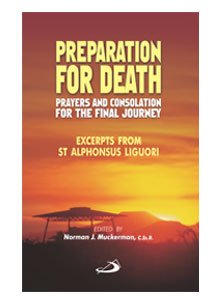
Preparation for Death : Prayers and Consolation for the Final Journey
Preparation for Death: Prayers and Consolation for the Final Journey Book by St. Alphonsus Liguori
Are you looking for guidance and solace as you prepare for the inevitable journey of death? Look no further than the book "Preparation for Death: Prayers and Consolation for the Final Journey" by St. Alphonsus Liguori. This profound and thought-provoking book offers a comprehensive guide to help you navigate the spiritual and emotional aspects of facing mortality. St. Alphonsus Liguori, a renowned Italian bishop and spiritual writer, shares his wisdom and insights on the subject of death in this timeless masterpiece. Through a series of prayers, reflections, and consoling words, he offers comfort and guidance to those who are preparing for the final journey.Key Features:
1. Prayerful Guidance: St. Alphonsus Liguori provides a collection of powerful prayers that can be used to seek solace, forgiveness, and spiritual strength during the challenging moments leading up to death. 2. Reflections on Mortality: The book delves into the reality of death and encourages readers to reflect on the brevity of life. It offers profound insights into the importance of spiritual preparation and the need to prioritize eternal salvation. 3. Consolation and Hope: St. Alphonsus Liguori's words bring comfort to those who are facing the uncertainty of death. He offers reassurance that God's mercy and love are ever-present, providing hope and peace in the midst of fear and anxiety. Whether you are personally preparing for death or seeking to support a loved one on their final journey, "Preparation for Death: Prayers and Consolation for the Final Journey" is a valuable resource. It will inspire and uplift your spirit, reminding you of the importance of faith, prayer, and the eternal journey that awaits us all.
ST MARIA GORETTI
About St. Maria Goretti
St. Maria Goretti was an Italian virgin-martyr who is venerated as a saint in the Catholic Church. Born on October 16, 1890, in Corinaldo, Italy, she lived a short but remarkable life. Maria's family was poor, and they lived in a small town where they worked as sharecroppers.Martyrdom and Canonization
At the age of 11, Maria was attacked by a neighbor named Alessandro Serenelli. He attempted to rape her but she resisted, choosing to protect her purity. In the process, Alessandro stabbed her multiple times, leading to her death the following day. Maria's incredible forgiveness and love for her attacker became a powerful testimony of God's grace. Before her death, she forgave Alessandro and expressed her desire for him to be with her in heaven. This act of forgiveness and her unwavering commitment to her faith made her a symbol of purity and virtue. In 1950, Maria was canonized by Pope Pius XII, and her mother, siblings, and Alessandro were present at the ceremony. She is the patron saint of youth, purity, and victims of rape.Legacy and Devotion
St. Maria Goretti's story continues to inspire people around the world. Her unwavering faith, forgiveness, and commitment to purity serve as a reminder of the power of God's love and grace. Many churches and schools are named after her, and her relics are venerated by the faithful. Her life serves as an example of the importance of chastity, forgiveness, and the pursuit of holiness. St. Maria Goretti's feast day is celebrated on July 6th, and her intercession is sought by those in need of strength, purity, and healing.
ST MARTIN DE PORRES
Saint Martin de Porres: A Devout and Compassionate Saint
Saint Martin de Porres, also known as the "Saint of the Broom," was a Peruvian Dominican lay brother who lived in the 16th century. He is revered for his deep faith, selflessness, and dedication to serving others. Early Life and Faith Born in Lima, Peru in 1579, Martin de Porres faced many challenges due to his mixed-race heritage. Despite the discrimination he faced, he remained steadfast in his faith and dedicated his life to serving God and others. Compassion and Healing Saint Martin de Porres had a special gift for healing the sick and comforting the suffering. Many sought his assistance, and he would often spend hours praying with them and offering them solace. His compassion and kindness were renowned, and he became a symbol of hope for the marginalized and oppressed. Humility and Service One of the most notable aspects of Saint Martin de Porres' life was his humility and commitment to serving others. Despite his extraordinary abilities and reputation, he considered himself unworthy and chose to perform menial tasks, such as cleaning and sweeping, in the monastery. He saw these tasks as opportunities to serve God and his fellow brothers. Legacy and Canonization Saint Martin de Porres' legacy lives on through the countless lives he touched and the miracles attributed to his intercession. He was canonized by Pope John XXIII in 1962 and is now recognized as the patron saint of mixed-race people, barbers, and public health workers. In conclusion, Saint Martin de Porres is a shining example of faith, compassion, and humility. His life serves as an inspiration to all, reminding us to serve others selflessly and to embrace the diversity and beauty of all God's children.
ST MAXIMILLIAN KOLBE
Saint Maximilian Kolbe - A Hero of Faith and Sacrifice
Saint Maximilian Kolbe, also known as Saint Maximilian Maria Kolbe, was a Polish Franciscan friar who lived from 1894 to 1941. He is widely recognized as a hero of faith and sacrifice, and his life and actions continue to inspire people around the world. Born as Rajmund Kolbe, he joined the Franciscan order and took the name Maximilian. He dedicated his life to spreading the message of the Gospel and promoting devotion to the Virgin Mary. He founded the Militia Immaculata, a movement that aimed to bring people closer to God through the intercession of the Blessed Virgin Mary.Sacrifice for Others
One of the most remarkable acts of Saint Maximilian Kolbe's life occurred during World War II. In 1941, he was arrested by the Nazis and sent to the Auschwitz concentration camp. When a fellow prisoner was chosen to be executed as a punishment for an escape attempt, Maximilian Kolbe volunteered to take his place. This act of selflessness and sacrifice demonstrated Saint Maximilian's deep love for others and his unwavering faith. His willingness to lay down his life for a stranger is a powerful example of Christian love and the value he placed on every human life.Legacy and Canonization
Saint Maximilian Kolbe's legacy lives on through his writings and the impact he had on those who knew him. He was canonized as a saint by Pope John Paul II in 1982, and his feast day is celebrated on August 14th. Today, Saint Maximilian Kolbe is revered as a patron saint of prisoners, journalists, and the pro-life movement. His life serves as a reminder of the importance of faith, love, and sacrifice in the face of adversity.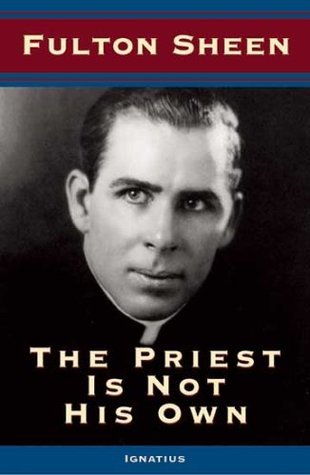
The Priest Is Not His Own
Discover the profound insights of "The Priest is Not His Own," a compelling book that delves into the spiritual and pastoral essence of priesthood. This influential work offers a deep exploration of the priest's role as a servant of Christ, emphasizing sacrifice and devotion in the service of others. Perfect for clergy and lay readers alike, it provides inspiration and guidance for those committed to the vocation of priesthood.

Reviews
There are no reviews yet.