









SAINTS THAT TRIUMPHED DEATH
₦1,500.00
Saints that Triumphed Death
In the realm of faith and devotion, there exist extraordinary individuals who have transcended the boundaries of mortality. These saints, through their unwavering belief and profound spirituality, have triumphed over death itself.
One such saint is Saint John of the Cross, a 16th-century mystic and poet. Despite enduring imprisonment and persecution, his unyielding faith allowed him to transcend the physical constraints of his earthly existence. Through his writings and teachings, he continues to inspire countless souls to seek a higher spiritual plane.
Another remarkable figure is Saint Teresa of Avila, a 16th-century Spanish mystic and reformer. Her profound spiritual experiences, including mystical visions and encounters with divine beings, elevated her beyond the limitations of human mortality. Her writings, such as “The Interior Castle,” provide invaluable insights into the depths of the human soul and the path to spiritual enlightenment.
One cannot overlook the extraordinary life of Saint Francis of Assisi, who renounced his worldly possessions and embraced a life of poverty and humility. His deep connection with nature and his unwavering devotion to God allowed him to transcend the fear of death. His legacy lives on through the Franciscan order and his teachings on compassion and love for all of God’s creations.
These saints, and many others throughout history, serve as beacons of hope and inspiration for all who seek a deeper connection with the divine. Their lives remind us that death is not an end but a gateway to eternal life, and that through faith and devotion, we too can triumph over the limitations of our mortal existence.
Size and packaging guidelines
| Specification | Chair | Armchair | Sofas |
| Height | 37" | 42" | 42" |
| Width | 26.5" | 32.5" | 142" |
| Depth | 19.5" | 22.5" | 24.5" |
| Assembly Required | No | No | Yes |
| Packaging Type | Box | Box | Box |
| Package Weight | 55 lbs. | 64 lbs. | 180 lbs. |
| Packaging Dimensions | 27" x 26" x 39" | 45" x 35" x 24" | 46" x 142" x 25" |
Reviews (0)
Shipping & Delivery
Related products
CONSECRATED LIFE
Discover the Beauty of Consecrated Life
Consecrated life is a sacred vocation that holds a special place within the Catholic Church. It is a calling to live a life of total dedication to God and service to others. Those who embrace this path commit themselves to a life of prayer, community living, and apostolic work.Embracing a Life of Prayer
At the heart of consecrated life is a deep commitment to prayer. Consecrated men and women spend significant time in prayer, seeking a closer relationship with God and discerning His will. Through daily prayer, they draw strength, guidance, and inspiration to carry out their mission in the world.Living in Community
Consecrated life also involves living in community with fellow religious brothers or sisters. This communal living fosters a spirit of unity, support, and shared mission. Together, they strive to create a loving and supportive environment where they can grow in holiness and serve others.Apostolic Work and Service
Consecrated men and women are called to serve others in a variety of ways. They may work in education, healthcare, social services, or other fields, using their unique gifts and talents to make a positive impact on the world. Through their apostolic work, they become a living witness of God's love and mercy. Consecrated life is a beautiful and fulfilling vocation that offers a unique opportunity to deepen one's relationship with God and serve others. It requires a deep sense of commitment, sacrifice, and selflessness. If you are discerning a call to consecrated life, we invite you to explore this noble path and discover the joy and fulfillment it can bring.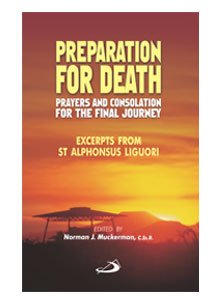
Preparation for Death : Prayers and Consolation for the Final Journey
Preparation for Death: Prayers and Consolation for the Final Journey Book by St. Alphonsus Liguori
Are you looking for guidance and solace as you prepare for the inevitable journey of death? Look no further than the book "Preparation for Death: Prayers and Consolation for the Final Journey" by St. Alphonsus Liguori. This profound and thought-provoking book offers a comprehensive guide to help you navigate the spiritual and emotional aspects of facing mortality. St. Alphonsus Liguori, a renowned Italian bishop and spiritual writer, shares his wisdom and insights on the subject of death in this timeless masterpiece. Through a series of prayers, reflections, and consoling words, he offers comfort and guidance to those who are preparing for the final journey.Key Features:
1. Prayerful Guidance: St. Alphonsus Liguori provides a collection of powerful prayers that can be used to seek solace, forgiveness, and spiritual strength during the challenging moments leading up to death. 2. Reflections on Mortality: The book delves into the reality of death and encourages readers to reflect on the brevity of life. It offers profound insights into the importance of spiritual preparation and the need to prioritize eternal salvation. 3. Consolation and Hope: St. Alphonsus Liguori's words bring comfort to those who are facing the uncertainty of death. He offers reassurance that God's mercy and love are ever-present, providing hope and peace in the midst of fear and anxiety. Whether you are personally preparing for death or seeking to support a loved one on their final journey, "Preparation for Death: Prayers and Consolation for the Final Journey" is a valuable resource. It will inspire and uplift your spirit, reminding you of the importance of faith, prayer, and the eternal journey that awaits us all.
SACRAMENTS WHAT AND WHY
What are Sacraments?
Sacraments are sacred rituals or ceremonies in the Christian faith that are believed to be instituted by Jesus Christ. They are considered essential for the spiritual growth and salvation of believers. The Catholic Church recognizes seven sacraments: Baptism, Confirmation, Holy Eucharist, Reconciliation, Anointing of the Sick, Holy Orders, and Matrimony.Why are Sacraments Important?
The sacraments hold great significance in the Christian faith for several reasons:- Grace and Spiritual Nourishment: Sacraments are believed to confer the grace of God upon individuals, strengthening their relationship with Him and providing spiritual nourishment for their journey of faith.
- Symbolic Representation: Each sacrament has its own symbolic elements that represent different aspects of Christian life, such as initiation into the Church, forgiveness of sins, healing, and the commitment to a lifelong union.
- Community and Unity: Sacraments are often celebrated within a community, fostering a sense of unity and shared faith among believers. They serve as a reminder of the communal nature of the Church and the importance of supporting one another in the spiritual journey.
- Continuity with Tradition: Sacraments have been practiced in the Christian tradition for centuries, connecting believers to the rich history of their faith and the teachings of Jesus Christ.
- Personal Transformation: Through the sacraments, individuals are invited to experience personal transformation and growth in their relationship with God, as they receive His grace and respond to His call.
ST DOMINIC -WOOD GATE
Introducing St. Dominic - Wood Gate
Enhance the beauty and security of your property with the exquisite St. Dominic Wood Gate. Crafted with precision and attention to detail, this gate is a perfect blend of elegance and durability.Unmatched Quality
Our St. Dominic Wood Gate is made from high-quality wood, ensuring its longevity and resistance to weather conditions. The carefully selected wood is treated to protect against rot, decay, and insect damage, guaranteeing a gate that will stand the test of time.Stylish Design
The St. Dominic Wood Gate features a classic design that effortlessly complements any architectural style. Its timeless appeal adds an element of sophistication to your property, while the sturdy construction provides an added layer of security. Available in various sizes, the gate can be customized to fit your specific requirements. Whether you need a single or double gate, we have the perfect solution for you.Easy Installation
Installing the St. Dominic Wood Gate is a breeze. With our detailed instructions and all the necessary hardware included, you can have your gate up and running in no time. Additionally, our friendly customer support team is always available to assist you with any questions or concerns you may have. Invest in the St. Dominic Wood Gate and elevate the aesthetic appeal and security of your property. With its unmatched quality, stylish design, and easy installation, this gate is the perfect addition to any home or business.
ST MARIA GORETTI
About St. Maria Goretti
St. Maria Goretti was an Italian virgin-martyr who is venerated as a saint in the Catholic Church. Born on October 16, 1890, in Corinaldo, Italy, she lived a short but remarkable life. Maria's family was poor, and they lived in a small town where they worked as sharecroppers.Martyrdom and Canonization
At the age of 11, Maria was attacked by a neighbor named Alessandro Serenelli. He attempted to rape her but she resisted, choosing to protect her purity. In the process, Alessandro stabbed her multiple times, leading to her death the following day. Maria's incredible forgiveness and love for her attacker became a powerful testimony of God's grace. Before her death, she forgave Alessandro and expressed her desire for him to be with her in heaven. This act of forgiveness and her unwavering commitment to her faith made her a symbol of purity and virtue. In 1950, Maria was canonized by Pope Pius XII, and her mother, siblings, and Alessandro were present at the ceremony. She is the patron saint of youth, purity, and victims of rape.Legacy and Devotion
St. Maria Goretti's story continues to inspire people around the world. Her unwavering faith, forgiveness, and commitment to purity serve as a reminder of the power of God's love and grace. Many churches and schools are named after her, and her relics are venerated by the faithful. Her life serves as an example of the importance of chastity, forgiveness, and the pursuit of holiness. St. Maria Goretti's feast day is celebrated on July 6th, and her intercession is sought by those in need of strength, purity, and healing.
THE INCORRUPTIBLE
The Incorruptible
The Incorruptible is a revolutionary new product that is designed to provide unparalleled durability and longevity. Made from the highest quality materials and with meticulous attention to detail, this product is built to withstand the test of time.Unmatched Durability
With its innovative construction, The Incorruptible is virtually indestructible. Whether you're using it for outdoor adventures or everyday tasks, this product will never let you down. Its robust design ensures that it can withstand even the harshest of conditions, making it the perfect companion for any situation.Long-Lasting Performance
Unlike other products on the market, The Incorruptible is built to last. Its superior craftsmanship and high-quality materials ensure that it will continue to perform at its best for years to come. Say goodbye to constantly replacing worn-out products and hello to The Incorruptible's long-lasting performance. Whether you're a professional in need of a reliable tool or an individual looking for a product that will stand the test of time, The Incorruptible is the perfect choice. Its unmatched durability and long-lasting performance make it a true game-changer in its field. Invest in The Incorruptible today and experience the difference for yourself.
THE WAY
The Way - A Revolutionary Product for Personal Transportation
Introducing The Way, a groundbreaking innovation in personal transportation. This state-of-the-art device is designed to revolutionize the way we commute, offering a convenient and eco-friendly alternative to traditional modes of transportation.Efficiency and Convenience
The Way is compact and lightweight, making it incredibly easy to maneuver through crowded streets and navigate tight spaces. Its sleek design and intuitive controls ensure a smooth and effortless ride, allowing you to effortlessly glide through your daily commute. Equipped with advanced lithium-ion batteries, The Way offers an impressive range of up to 30 miles on a single charge. This means you can travel to work, run errands, or explore the city without worrying about running out of power.Environmentally Friendly
At The Way, we are committed to reducing our carbon footprint and preserving the environment. That's why The Way is powered by electricity, emitting zero emissions and contributing to cleaner air and a healthier planet. By choosing The Way as your preferred mode of transportation, you are not only making a smart choice for yourself but also for future generations.Safe and Reliable
Your safety is our top priority. The Way is equipped with advanced safety features, including an anti-lock braking system and LED lights for enhanced visibility. Its sturdy construction and durable materials ensure a safe and reliable ride, even in challenging weather conditions. With The Way, you can confidently navigate the urban landscape, knowing that you are in control of a reliable and secure mode of transportation. Experience the future of personal transportation with The Way. Say goodbye to traffic jams, parking hassles, and harmful emissions. Embrace a greener and more efficient way of getting around with The Way.

Reviews
There are no reviews yet.