



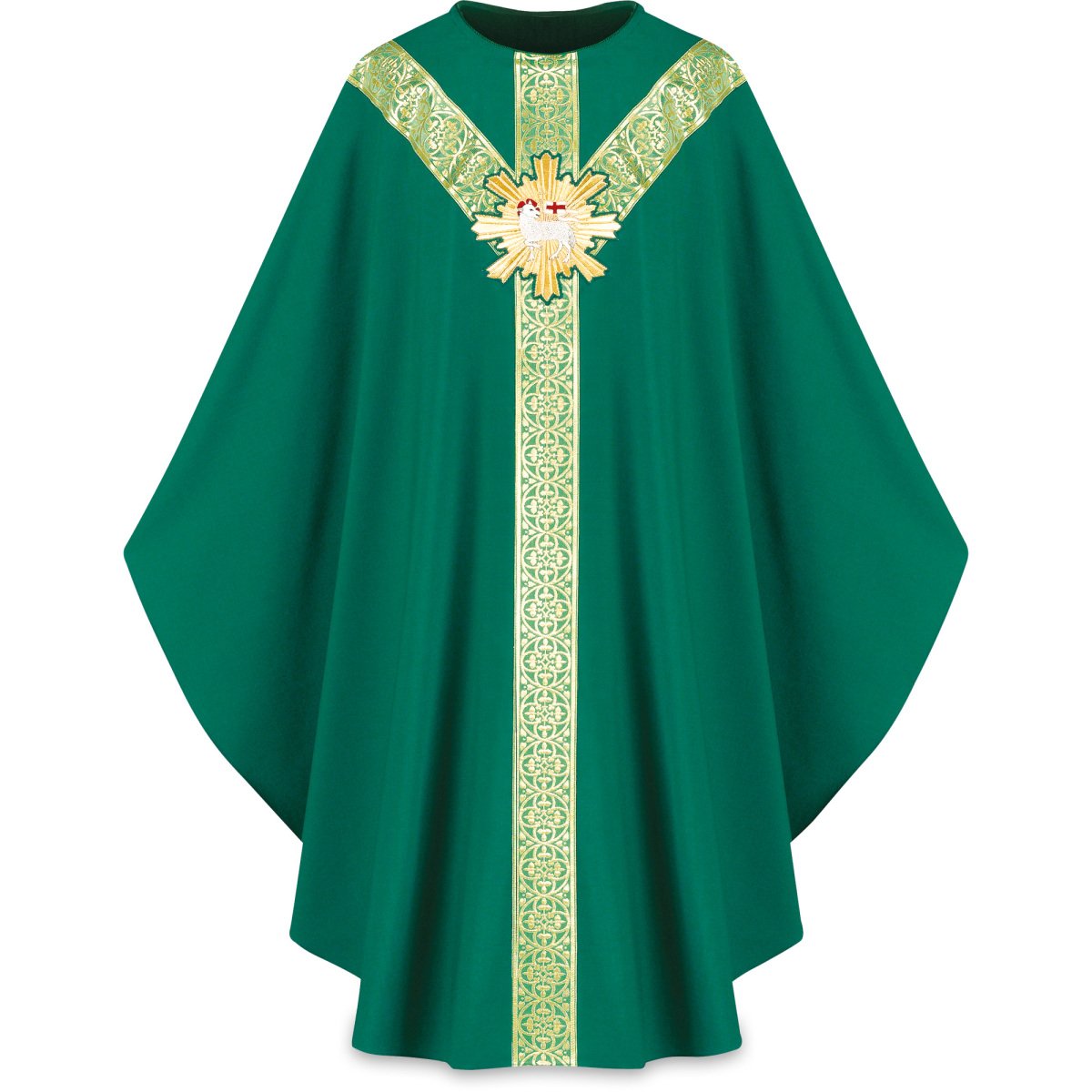
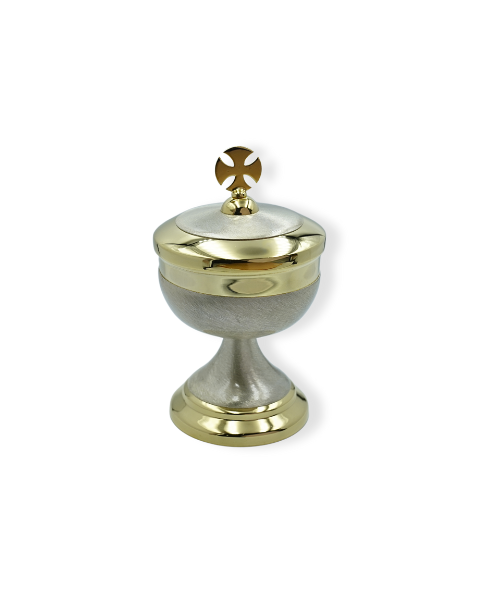
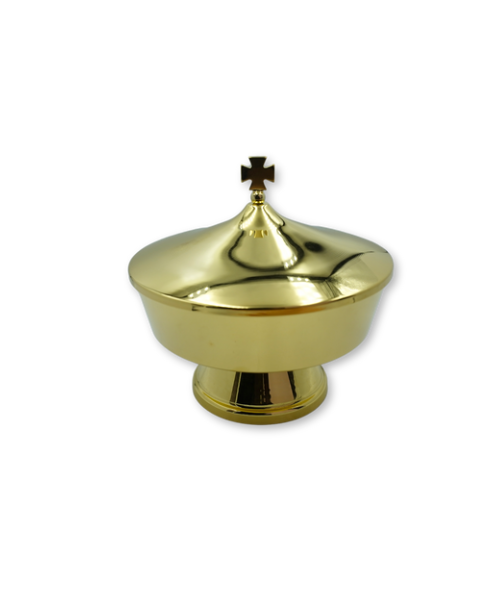







ST DOMINIC -WOOD GATE
₦1,100.00
Introducing St. Dominic – Wood Gate
Enhance the beauty and security of your property with the exquisite St. Dominic Wood Gate. Crafted with precision and attention to detail, this gate is a perfect blend of elegance and durability.
Unmatched Quality
Our St. Dominic Wood Gate is made from high-quality wood, ensuring its longevity and resistance to weather conditions. The carefully selected wood is treated to protect against rot, decay, and insect damage, guaranteeing a gate that will stand the test of time.
Stylish Design
The St. Dominic Wood Gate features a classic design that effortlessly complements any architectural style. Its timeless appeal adds an element of sophistication to your property, while the sturdy construction provides an added layer of security.
Available in various sizes, the gate can be customized to fit your specific requirements. Whether you need a single or double gate, we have the perfect solution for you.
Easy Installation
Installing the St. Dominic Wood Gate is a breeze. With our detailed instructions and all the necessary hardware included, you can have your gate up and running in no time. Additionally, our friendly customer support team is always available to assist you with any questions or concerns you may have.
Invest in the St. Dominic Wood Gate and elevate the aesthetic appeal and security of your property. With its unmatched quality, stylish design, and easy installation, this gate is the perfect addition to any home or business.
Size and packaging guidelines
| Specification | Chair | Armchair | Sofas |
| Height | 37" | 42" | 42" |
| Width | 26.5" | 32.5" | 142" |
| Depth | 19.5" | 22.5" | 24.5" |
| Assembly Required | No | No | Yes |
| Packaging Type | Box | Box | Box |
| Package Weight | 55 lbs. | 64 lbs. | 180 lbs. |
| Packaging Dimensions | 27" x 26" x 39" | 45" x 35" x 24" | 46" x 142" x 25" |
Reviews (0)
Shipping & Delivery
Related products
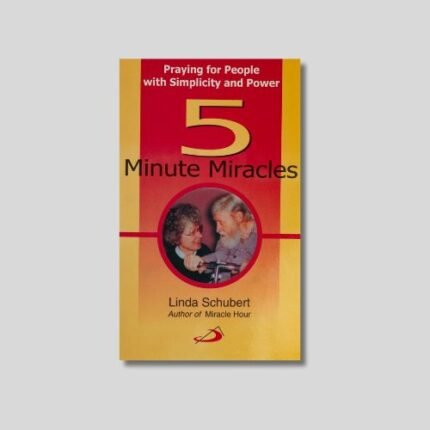
5 MINUTES MIRACLES
The 5-Minute Miracles: Transform Your Life with Ease
Are you looking for a quick and effective way to improve your life? Look no further than the 5-Minute Miracles. This innovative program is designed to help you make positive changes in just five minutes a day. With the hectic pace of modern life, finding time for self-improvement can be a challenge. That's why the 5-Minute Miracles is perfect for busy individuals like you. It allows you to prioritize your personal growth without sacrificing your other commitments. So, how does it work? The 5-Minute Miracles is a collection of simple and powerful exercises that can be completed in just five minutes. Each exercise is carefully designed to target different areas of your life, such as health, relationships, career, and personal development. By dedicating just five minutes a day to these exercises, you can experience remarkable results. Whether you want to improve your physical fitness, enhance your communication skills, or boost your confidence, the 5-Minute Miracles has got you covered. One of the key features of the 5-Minute Miracles is its flexibility. You can choose to focus on a specific area of your life or rotate between different exercises to address multiple aspects simultaneously. This allows you to tailor the program to your unique needs and goals. Don't let the lack of time hold you back from achieving your full potential. Try the 5-Minute Miracles today and witness the transformative power of just five minutes a day.
OUR JOY IN BEING CATHOLICS
The Joy of Being Catholics
As Catholics, we are blessed to experience a deep and abiding joy in our faith. This joy stems from the richness and beauty of the Catholic tradition, the sacraments, and the teachings of the Church.A Faith Rooted in Tradition
One of the reasons we find joy in being Catholics is the deep sense of tradition that permeates our faith. We are part of a faith that has been passed down through the ages, with roots that can be traced back to the time of Christ and the apostles. This connection to our past gives us a sense of belonging and continuity, and reminds us that we are part of something greater than ourselves. Through the liturgy, the sacraments, and the rituals of our faith, we are able to participate in this rich tradition and experience a profound sense of awe and reverence. Whether it is the beauty of a well-celebrated Mass, the power of the sacraments, or the comfort of praying the rosary, these traditions bring us closer to God and fill our hearts with joy.The Sacraments: Channels of Grace
Another source of joy for Catholics is the sacraments. These sacred rituals, instituted by Christ himself, are visible signs of God's grace at work in our lives. Through the sacraments of Baptism, Confirmation, Eucharist, Reconciliation, Anointing of the Sick, Holy Orders, and Matrimony, we are brought into deeper communion with God and our fellow believers. Each sacrament is a unique encounter with Christ, an opportunity for us to experience his love and mercy in a tangible way. Whether it is the forgiveness and healing we receive in the sacrament of Reconciliation, or the nourishment and spiritual sustenance we receive in the Eucharist, the sacraments are a source of great joy and consolation.The Teachings of the Church: Truth and Guidance
Finally, as Catholics, we find joy in the teachings of the Church. The Church, guided by the Holy Spirit, offers us a sure foundation of truth and moral guidance in a world that often seems confused and uncertain. Through the teachings of the Church, we are able to understand the purpose and meaning of our lives, and to discern right from wrong. This clarity brings us a deep sense of peace and joy, knowing that we are following the path that leads to true happiness and fulfillment. In conclusion, the joy of being Catholics comes from the richness of our tradition, the grace of the sacraments, and the guidance of the Church. It is a joy that fills our hearts and sustains us on our journey of faith.
SAINTS TODAY
Saints Today: How Can I Be One Too?
Many people admire saints for their exceptional virtues and their dedication to living a righteous life. While becoming a saint may seem like an unattainable goal, there are steps you can take to cultivate saintly qualities in your own life.1. Cultivate Virtues
Saints are known for their virtues, such as compassion, humility, patience, and selflessness. To become more like a saint, focus on developing these virtues in your own life. Practice acts of kindness and generosity, seek to understand and empathize with others, and strive to be patient and forgiving.2. Deepen Your Spirituality
Saints have a deep connection with their spiritual beliefs and dedicate their lives to serving a higher purpose. To follow in their footsteps, explore your own spirituality and deepen your relationship with your faith or belief system. This can be done through prayer, meditation, attending religious services, or engaging in spiritual practices that resonate with you.3. Serve Others
Saints are known for their selfless service to others. Look for opportunities to help those in need, whether through volunteering, donating to charitable causes, or simply offering a helping hand to a friend or neighbor. By putting the needs of others before your own, you can cultivate a spirit of service and make a positive impact on the world around you. While becoming a saint may not be an easy or straightforward path, it is possible to embody saintly qualities in your own life. By cultivating virtues, deepening your spirituality, and serving others, you can strive to live a life that is aligned with the ideals of the saints.
ST MARIA GORETTI
About St. Maria Goretti
St. Maria Goretti was an Italian virgin-martyr who is venerated as a saint in the Catholic Church. Born on October 16, 1890, in Corinaldo, Italy, she lived a short but remarkable life. Maria's family was poor, and they lived in a small town where they worked as sharecroppers.Martyrdom and Canonization
At the age of 11, Maria was attacked by a neighbor named Alessandro Serenelli. He attempted to rape her but she resisted, choosing to protect her purity. In the process, Alessandro stabbed her multiple times, leading to her death the following day. Maria's incredible forgiveness and love for her attacker became a powerful testimony of God's grace. Before her death, she forgave Alessandro and expressed her desire for him to be with her in heaven. This act of forgiveness and her unwavering commitment to her faith made her a symbol of purity and virtue. In 1950, Maria was canonized by Pope Pius XII, and her mother, siblings, and Alessandro were present at the ceremony. She is the patron saint of youth, purity, and victims of rape.Legacy and Devotion
St. Maria Goretti's story continues to inspire people around the world. Her unwavering faith, forgiveness, and commitment to purity serve as a reminder of the power of God's love and grace. Many churches and schools are named after her, and her relics are venerated by the faithful. Her life serves as an example of the importance of chastity, forgiveness, and the pursuit of holiness. St. Maria Goretti's feast day is celebrated on July 6th, and her intercession is sought by those in need of strength, purity, and healing.
ST THOMAS BECKET
The Life and Legacy of St. Thomas Becket
St. Thomas Becket, also known as Thomas of Canterbury, was a prominent figure in English history during the 12th century. Born in London in 1118, Becket rose to become the Archbishop of Canterbury, one of the most prestigious positions in the Catholic Church. Becket's story is one of courage, conviction, and martyrdom. As Archbishop, he clashed with King Henry II over the rights and privileges of the Church. Becket staunchly defended the Church's independence and refused to bow to the king's demands. This led to a bitter conflict between the two powerful figures. In 1170, tensions reached a boiling point when four knights loyal to the king murdered Becket in Canterbury Cathedral. This shocking act of violence shocked the nation and turned Becket into a martyr and a symbol of resistance against royal authority.Becket's Legacy
St. Thomas Becket's murder sparked outrage across Europe and led to a wave of pilgrimages to his tomb in Canterbury. His martyrdom also had a profound impact on the power dynamics between church and state. Becket's steadfast defense of the Church's autonomy influenced the development of English law and the concept of religious freedom. His martyrdom also strengthened the authority of the papacy and the Catholic Church as a whole.Remembering St. Thomas Becket
Today, St. Thomas Becket is remembered as a martyr, a saint, and a symbol of courage in the face of oppression. His shrine at Canterbury Cathedral continues to attract pilgrims from around the world, and his story serves as a reminder of the enduring power of faith and conviction.
STORY OF A SOUL
The Story of a Soul
The Story of a Soul is a captivating memoir written by Saint Thérèse of Lisieux, a French Carmelite nun. This spiritual autobiography chronicles her journey of faith, love, and devotion to God. Thérèse's story begins with her childhood in a loving and devout family. She shares her early experiences, including her mother's death and her entry into the Carmelite convent at the tender age of 15. Through her honest and heartfelt narrative, Thérèse reveals her deep longing to serve God and her desire to become a saint. Throughout the memoir, Thérèse delves into her spiritual experiences and the challenges she faced in her pursuit of holiness. She describes her "little way," a path of simplicity and humility that she believed would lead her to heaven. Thérèse's teachings on the importance of doing small acts of love and offering them to God have inspired countless readers to find meaning and purpose in their daily lives. Thérèse's story also explores her struggles with illness and the physical pain she endured. Despite these hardships, she remained steadfast in her faith and found solace in her relationship with God. Her unwavering trust in divine providence serves as a powerful example of hope and resilience. The Story of a Soul offers profound insights into the nature of God's love and the beauty of a life lived in devotion to Him. Thérèse's words continue to resonate with readers of all backgrounds, inspiring them to seek a deeper connection with their faith and embrace a life of love and service.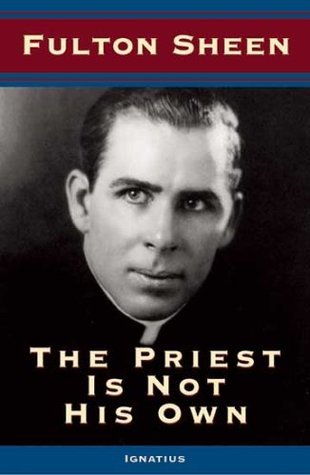
The Priest Is Not His Own
Discover the profound insights of "The Priest is Not His Own," a compelling book that delves into the spiritual and pastoral essence of priesthood. This influential work offers a deep exploration of the priest's role as a servant of Christ, emphasizing sacrifice and devotion in the service of others. Perfect for clergy and lay readers alike, it provides inspiration and guidance for those committed to the vocation of priesthood.

Reviews
There are no reviews yet.