













ST MARTIN DE PORRES
₦1,650.00
Saint Martin de Porres: A Devout and Compassionate Saint
Saint Martin de Porres, also known as the “Saint of the Broom,” was a Peruvian Dominican lay brother who lived in the 16th century. He is revered for his deep faith, selflessness, and dedication to serving others.
Early Life and Faith
Born in Lima, Peru in 1579, Martin de Porres faced many challenges due to his mixed-race heritage. Despite the discrimination he faced, he remained steadfast in his faith and dedicated his life to serving God and others.
Compassion and Healing
Saint Martin de Porres had a special gift for healing the sick and comforting the suffering. Many sought his assistance, and he would often spend hours praying with them and offering them solace. His compassion and kindness were renowned, and he became a symbol of hope for the marginalized and oppressed.
Humility and Service
One of the most notable aspects of Saint Martin de Porres’ life was his humility and commitment to serving others. Despite his extraordinary abilities and reputation, he considered himself unworthy and chose to perform menial tasks, such as cleaning and sweeping, in the monastery. He saw these tasks as opportunities to serve God and his fellow brothers.
Legacy and Canonization
Saint Martin de Porres’ legacy lives on through the countless lives he touched and the miracles attributed to his intercession. He was canonized by Pope John XXIII in 1962 and is now recognized as the patron saint of mixed-race people, barbers, and public health workers.
In conclusion, Saint Martin de Porres is a shining example of faith, compassion, and humility. His life serves as an inspiration to all, reminding us to serve others selflessly and to embrace the diversity and beauty of all God’s children.
Size and packaging guidelines
| Specification | Chair | Armchair | Sofas |
| Height | 37" | 42" | 42" |
| Width | 26.5" | 32.5" | 142" |
| Depth | 19.5" | 22.5" | 24.5" |
| Assembly Required | No | No | Yes |
| Packaging Type | Box | Box | Box |
| Package Weight | 55 lbs. | 64 lbs. | 180 lbs. |
| Packaging Dimensions | 27" x 26" x 39" | 45" x 35" x 24" | 46" x 142" x 25" |
Reviews (0)
Shipping & Delivery
Related products
CONSECRATED LIFE
Discover the Beauty of Consecrated Life
Consecrated life is a sacred vocation that holds a special place within the Catholic Church. It is a calling to live a life of total dedication to God and service to others. Those who embrace this path commit themselves to a life of prayer, community living, and apostolic work.Embracing a Life of Prayer
At the heart of consecrated life is a deep commitment to prayer. Consecrated men and women spend significant time in prayer, seeking a closer relationship with God and discerning His will. Through daily prayer, they draw strength, guidance, and inspiration to carry out their mission in the world.Living in Community
Consecrated life also involves living in community with fellow religious brothers or sisters. This communal living fosters a spirit of unity, support, and shared mission. Together, they strive to create a loving and supportive environment where they can grow in holiness and serve others.Apostolic Work and Service
Consecrated men and women are called to serve others in a variety of ways. They may work in education, healthcare, social services, or other fields, using their unique gifts and talents to make a positive impact on the world. Through their apostolic work, they become a living witness of God's love and mercy. Consecrated life is a beautiful and fulfilling vocation that offers a unique opportunity to deepen one's relationship with God and serve others. It requires a deep sense of commitment, sacrifice, and selflessness. If you are discerning a call to consecrated life, we invite you to explore this noble path and discover the joy and fulfillment it can bring.
DIARY OF DIVINE MERCY
Introducing the Diary of Divine Mercy
Welcome to the world of spiritual enlightenment and profound devotion with the Diary of Divine Mercy. This extraordinary book is a powerful testament to the boundless love and mercy of God, as revealed to the humble Polish nun, Saint Faustina Kowalska.Discovering the Divine Mercy
In the Diary of Divine Mercy, Saint Faustina recounts her personal encounters with Jesus Christ and documents His messages of love, forgiveness, and compassion. This sacred text offers a unique insight into the depths of God's mercy and provides guidance on how to live a life of faith and devotion. Through her intimate conversations with Jesus, Saint Faustina shares profound revelations on the importance of trust, prayer, and repentance. The Diary of Divine Mercy serves as a spiritual guide, offering practical advice on how to cultivate a deeper relationship with God and embrace His mercy in our daily lives.Embracing God's Mercy
The Diary of Divine Mercy invites readers to reflect on the infinite love and mercy that God extends to all humanity. It encourages us to seek forgiveness, to show compassion towards others, and to trust in God's providence even in the face of adversity. By immersing ourselves in the pages of this sacred diary, we are reminded of the transformative power of God's mercy and the profound impact it can have on our lives. Through the Diary of Divine Mercy, we are invited to embark on a journey of spiritual growth and discover the true meaning of divine love and forgiveness. Experience the Diary of Divine Mercy today and allow its timeless wisdom to inspire and guide you towards a deeper understanding of God's boundless mercy.
EUCHARISTIC MIRACLES
Eucharistic Miracles
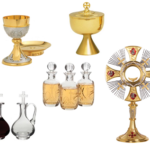
Eucharistic miracles are extraordinary events that have been reported throughout history, involving the transformation of the bread and wine into the body and blood of Jesus Christ during the Catholic Mass. These miracles serve as a testament to the real presence of Christ in the Eucharist and have been witnessed by countless individuals around the world. One notable example of a Eucharistic miracle is the Miracle of Lanciano, which occurred in the 8th century in Italy. During the Mass, the bread and wine miraculously transformed into flesh and blood. This miracle has been scientifically studied and the flesh has been determined to be human cardiac tissue, while the blood is of type AB, which is the same blood type found on the Shroud of Turin. Another remarkable Eucharistic miracle took place in Buenos Aires, Argentina in 1996. A consecrated host that had fallen to the ground was placed in a container of water to dissolve. However, after a few days, the host had transformed into a bloody substance. This miracle was examined by a team of scientists and determined to be human blood. These Eucharistic miracles serve as a powerful reminder of the sacredness and mystery of the Eucharist. They provide believers with tangible evidence of the presence of Christ in the sacrament and inspire devotion and reverence. The Church recognizes these miracles as signs of God's love and invites all to deepen their faith and belief in the real presence of Christ in the Eucharist.
ST CAMILLUS DE LELLIS
About St. Camillus de Lellis
St. Camillus de Lellis, also known as St. Camillus of Lellis, was an Italian priest who lived during the 16th century. He is recognized as the patron saint of nurses, the sick, and hospitals. St. Camillus dedicated his life to caring for the sick and those in need, and his legacy continues to inspire healthcare professionals today.The Life and Works of St. Camillus de Lellis
Born in 1550 in Italy, St. Camillus experienced a transformation in his life after a series of personal struggles and hardships. He had a profound conversion and dedicated himself to serving the sick and the poor. St. Camillus founded the Order of Clerks Regular, Ministers of the Infirm (commonly known as the Camillians), a religious order focused on healthcare and the care of the sick. St. Camillus and his fellow Camillians established hospitals and healthcare facilities throughout Europe, providing compassionate care to those in need. They emphasized the importance of treating patients with dignity and respect, as well as providing holistic care that addressed both their physical and spiritual needs.The Legacy of St. Camillus de Lellis
St. Camillus de Lellis left a lasting impact on the field of healthcare. His dedication to the sick and his emphasis on compassionate care continue to inspire healthcare professionals around the world. Many hospitals and healthcare organizations have adopted his principles and values, striving to provide the highest quality of care to their patients. St. Camillus de Lellis serves as a reminder of the importance of selfless service and compassion in the healthcare field. His legacy is a testament to the power of caring for others and the profound impact it can have on individuals and communities.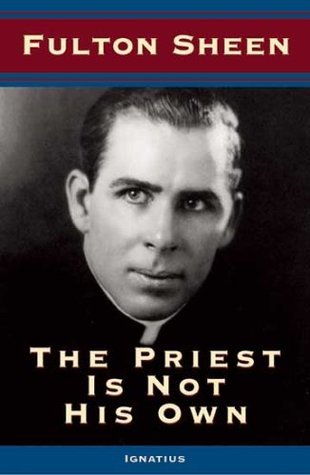
The Priest Is Not His Own
Discover the profound insights of "The Priest is Not His Own," a compelling book that delves into the spiritual and pastoral essence of priesthood. This influential work offers a deep exploration of the priest's role as a servant of Christ, emphasizing sacrifice and devotion in the service of others. Perfect for clergy and lay readers alike, it provides inspiration and guidance for those committed to the vocation of priesthood.
VOCATIONAL ACCOMPANIMENT
Enhance Your Vocational Journey with Vocational Accompaniment
Embarking on a vocational journey can be both exciting and challenging. Whether you are a student exploring career options or a professional looking to make a career change, having the right support and guidance can make all the difference. That's where vocational accompaniment comes in. Vocational accompaniment is a personalized service that provides individuals with the necessary tools and resources to navigate their vocational path successfully. It involves working closely with a trained professional who understands the intricacies of the job market and can offer valuable insights and advice. With vocational accompaniment, you can expect a tailored approach that takes into account your unique goals, interests, and skills. Your accompaniment professional will help you identify your strengths and weaknesses, explore different career options, and develop a strategic plan to achieve your vocational objectives. One of the key advantages of vocational accompaniment is the ongoing support it provides. Your accompaniment professional will be there to guide you every step of the way, offering encouragement, motivation, and constructive feedback. They will help you overcome obstacles and navigate any challenges that may arise during your vocational journey. Whether you need assistance with job searching, resume writing, interview preparation, or career advancement, vocational accompaniment can provide you with the expertise and support you need. By leveraging the knowledge and experience of a vocational accompaniment professional, you can make more informed decisions and increase your chances of success. Investing in vocational accompaniment is an investment in your future. It is a proactive step towards achieving your vocational goals and realizing your full potential. So why navigate the vocational landscape alone when you can have a trusted companion by your side?
WOMEN IN THE BIBLE VOL 2
Introducing "Women in the Bible Vol.2"
Discover the captivating stories of influential women from the Bible with our latest release, "Women in the Bible Vol.2". This comprehensive volume delves into the lives of remarkable women, shedding light on their struggles, triumphs, and enduring legacies.Unveiling Untold Stories
With "Women in the Bible Vol.2", you will embark on a profound journey through history, exploring the lives of women who have shaped the course of humanity. From the courageous Deborah, who led the Israelites to victory, to the compassionate Ruth, whose loyalty and faithfulness continue to inspire, this book offers a fresh perspective on the often overlooked contributions of women in biblical times. Each chapter presents a compelling narrative, meticulously researched and beautifully written, bringing to life the stories of these extraordinary women. Through their experiences, readers will gain a deeper understanding of the challenges they faced, the sacrifices they made, and the profound impact they had on their communities.A Resource for Reflection and Inspiration
"Women in the Bible Vol.2" is not just a collection of stories; it is a valuable resource for individuals seeking wisdom and inspiration. Whether you are a scholar, a student, or simply someone looking to deepen your spiritual understanding, this book offers profound insights and thought-provoking reflections. Each chapter concludes with a series of discussion questions, designed to encourage personal reflection and group dialogue. These questions invite readers to explore the relevance of these ancient stories in their own lives and consider how the lessons learned from these remarkable women can be applied today. Don't miss the opportunity to delve into the lives of these extraordinary women. Order your copy of "Women in the Bible Vol.2" today and embark on a transformative journey through history.

Reviews
There are no reviews yet.