














CELIBACY AND AFRICAN CULTURE
₦1,450.00
The Significance of Celibacy in African Culture
In African culture, celibacy holds a significant place and is often associated with spiritual and cultural practices. Celibacy refers to the voluntary abstinence from sexual activity, usually for religious or cultural reasons. It is a concept that has been practiced and respected for centuries, playing a crucial role in shaping African societies.
Spiritual and Religious Practices
Celibacy is deeply rooted in African spiritual and religious practices. Many African traditional religions and belief systems emphasize the importance of self-discipline and self-control. Celibacy is seen as a way to purify oneself and attain a higher spiritual state. It is often practiced by priests, priestesses, and spiritual leaders who dedicate themselves to serving their communities and connecting with the divine.
For example, in some African cultures, young men and women undergo initiation rites that involve a period of celibacy. This is believed to prepare them for adulthood, marriage, and their future roles in society. During this time, they learn important values, traditions, and responsibilities.
Symbolism and Cultural Values
Celibacy is also associated with cultural values such as discipline, respect, and self-control. It is seen as a way to demonstrate one’s commitment to these values and to uphold the moral fabric of society. In some African communities, individuals who choose to remain celibate are often highly respected and admired for their dedication and strength of character.
Furthermore, celibacy can also serve as a form of protest or resistance against societal norms and expectations. It challenges the notion that sexual activity is the only path to fulfillment and happiness. By choosing celibacy, individuals assert their autonomy and challenge traditional gender roles and power dynamics.
Conclusion
Celibacy is an integral part of African culture, with deep spiritual and cultural significance. It is a practice that promotes self-discipline, self-control, and spiritual growth. By embracing celibacy, individuals in African societies demonstrate their commitment to cultural values and challenge societal norms. It is a powerful expression of personal choice and autonomy.
Size and packaging guidelines
| Specification | Chair | Armchair | Sofas |
| Height | 37" | 42" | 42" |
| Width | 26.5" | 32.5" | 142" |
| Depth | 19.5" | 22.5" | 24.5" |
| Assembly Required | No | No | Yes |
| Packaging Type | Box | Box | Box |
| Package Weight | 55 lbs. | 64 lbs. | 180 lbs. |
| Packaging Dimensions | 27" x 26" x 39" | 45" x 35" x 24" | 46" x 142" x 25" |
Reviews (0)
Shipping & Delivery
Related products
COMMUNION IN COMMUNITY
Communion in Community
Communion in community is a sacred and meaningful experience that brings people together in unity and fellowship. It is a time when individuals come together to share in a common purpose and to connect with one another on a deeper level. At its core, communion is a religious practice that symbolizes the sharing of bread and wine, representing the body and blood of Jesus Christ. It is a time for reflection, remembrance, and thanksgiving. But communion is not just about the act of partaking in bread and wine; it is also about the sense of community that is fostered during this special time. When people gather together to participate in communion, they are reminded of their shared beliefs and values. They are reminded that they are part of something greater than themselves – a community of faith. This sense of belonging and connection is vital for individuals to feel supported and encouraged in their spiritual journey. Communion in community also provides an opportunity for individuals to support and uplift one another. It is a time when people can come together to offer prayers, encouragement, and support for those in need. It is a time to celebrate joys and share burdens, knowing that they are not alone in their struggles. Furthermore, communion in community helps to foster a spirit of love, compassion, and forgiveness. It is a time when individuals can come together to reconcile and heal relationships, both with God and with one another. It is a time to let go of grudges, extend grace, and seek reconciliation. In conclusion, communion in community is a sacred and transformative practice that brings people together in unity and fellowship. It is a time for reflection, connection, support, and reconciliation. Through communion, individuals are reminded of their shared beliefs and values, and they are encouraged to live out these principles in their daily lives.
DIARY OF DIVINE MERCY
Introducing the Diary of Divine Mercy
Welcome to the world of spiritual enlightenment and profound devotion with the Diary of Divine Mercy. This extraordinary book is a powerful testament to the boundless love and mercy of God, as revealed to the humble Polish nun, Saint Faustina Kowalska.Discovering the Divine Mercy
In the Diary of Divine Mercy, Saint Faustina recounts her personal encounters with Jesus Christ and documents His messages of love, forgiveness, and compassion. This sacred text offers a unique insight into the depths of God's mercy and provides guidance on how to live a life of faith and devotion. Through her intimate conversations with Jesus, Saint Faustina shares profound revelations on the importance of trust, prayer, and repentance. The Diary of Divine Mercy serves as a spiritual guide, offering practical advice on how to cultivate a deeper relationship with God and embrace His mercy in our daily lives.Embracing God's Mercy
The Diary of Divine Mercy invites readers to reflect on the infinite love and mercy that God extends to all humanity. It encourages us to seek forgiveness, to show compassion towards others, and to trust in God's providence even in the face of adversity. By immersing ourselves in the pages of this sacred diary, we are reminded of the transformative power of God's mercy and the profound impact it can have on our lives. Through the Diary of Divine Mercy, we are invited to embark on a journey of spiritual growth and discover the true meaning of divine love and forgiveness. Experience the Diary of Divine Mercy today and allow its timeless wisdom to inspire and guide you towards a deeper understanding of God's boundless mercy.
EVERYDAY SAINTS
Introducing Everyday Saints
Everyday Saints is a unique collection of inspiring stories that showcases the extraordinary acts of ordinary people. This book is a celebration of the unsung heroes who make a difference in the world through their kindness, compassion, and selflessness.Discover the Power of Small Actions
In Everyday Saints, you will embark on a journey that explores the profound impact of small actions. Through heartwarming anecdotes and powerful narratives, this book reveals how simple acts of love, generosity, and empathy can transform lives and communities.Inspiration for Everyday Heroes
Whether you are seeking inspiration or looking for ways to make a positive impact in your own life, Everyday Saints is the perfect companion. Each story serves as a reminder that we all have the power to create change, no matter how small our actions may seem. From a teacher who goes above and beyond to support her students, to a stranger who offers a helping hand to someone in need, these stories will uplift your spirits and ignite the spark of kindness within you. With its engaging storytelling and thought-provoking messages, Everyday Saints will leave you inspired to become an everyday hero in your own right. Join us on this journey of compassion, and discover the extraordinary power of ordinary people.
Preparation for Death : Prayers and Consolation for the Final Journey
Preparation for Death: Prayers and Consolation for the Final Journey Book by St. Alphonsus Liguori
Are you looking for guidance and solace as you prepare for the inevitable journey of death? Look no further than the book "Preparation for Death: Prayers and Consolation for the Final Journey" by St. Alphonsus Liguori. This profound and thought-provoking book offers a comprehensive guide to help you navigate the spiritual and emotional aspects of facing mortality. St. Alphonsus Liguori, a renowned Italian bishop and spiritual writer, shares his wisdom and insights on the subject of death in this timeless masterpiece. Through a series of prayers, reflections, and consoling words, he offers comfort and guidance to those who are preparing for the final journey.Key Features:
1. Prayerful Guidance: St. Alphonsus Liguori provides a collection of powerful prayers that can be used to seek solace, forgiveness, and spiritual strength during the challenging moments leading up to death. 2. Reflections on Mortality: The book delves into the reality of death and encourages readers to reflect on the brevity of life. It offers profound insights into the importance of spiritual preparation and the need to prioritize eternal salvation. 3. Consolation and Hope: St. Alphonsus Liguori's words bring comfort to those who are facing the uncertainty of death. He offers reassurance that God's mercy and love are ever-present, providing hope and peace in the midst of fear and anxiety. Whether you are personally preparing for death or seeking to support a loved one on their final journey, "Preparation for Death: Prayers and Consolation for the Final Journey" is a valuable resource. It will inspire and uplift your spirit, reminding you of the importance of faith, prayer, and the eternal journey that awaits us all.
ST MAXIMILLIAN KOLBE
Saint Maximilian Kolbe - A Hero of Faith and Sacrifice
Saint Maximilian Kolbe, also known as Saint Maximilian Maria Kolbe, was a Polish Franciscan friar who lived from 1894 to 1941. He is widely recognized as a hero of faith and sacrifice, and his life and actions continue to inspire people around the world. Born as Rajmund Kolbe, he joined the Franciscan order and took the name Maximilian. He dedicated his life to spreading the message of the Gospel and promoting devotion to the Virgin Mary. He founded the Militia Immaculata, a movement that aimed to bring people closer to God through the intercession of the Blessed Virgin Mary.Sacrifice for Others
One of the most remarkable acts of Saint Maximilian Kolbe's life occurred during World War II. In 1941, he was arrested by the Nazis and sent to the Auschwitz concentration camp. When a fellow prisoner was chosen to be executed as a punishment for an escape attempt, Maximilian Kolbe volunteered to take his place. This act of selflessness and sacrifice demonstrated Saint Maximilian's deep love for others and his unwavering faith. His willingness to lay down his life for a stranger is a powerful example of Christian love and the value he placed on every human life.Legacy and Canonization
Saint Maximilian Kolbe's legacy lives on through his writings and the impact he had on those who knew him. He was canonized as a saint by Pope John Paul II in 1982, and his feast day is celebrated on August 14th. Today, Saint Maximilian Kolbe is revered as a patron saint of prisoners, journalists, and the pro-life movement. His life serves as a reminder of the importance of faith, love, and sacrifice in the face of adversity.
ST THOMAS BECKET
The Life and Legacy of St. Thomas Becket
St. Thomas Becket, also known as Thomas of Canterbury, was a prominent figure in English history during the 12th century. Born in London in 1118, Becket rose to become the Archbishop of Canterbury, one of the most prestigious positions in the Catholic Church. Becket's story is one of courage, conviction, and martyrdom. As Archbishop, he clashed with King Henry II over the rights and privileges of the Church. Becket staunchly defended the Church's independence and refused to bow to the king's demands. This led to a bitter conflict between the two powerful figures. In 1170, tensions reached a boiling point when four knights loyal to the king murdered Becket in Canterbury Cathedral. This shocking act of violence shocked the nation and turned Becket into a martyr and a symbol of resistance against royal authority.Becket's Legacy
St. Thomas Becket's murder sparked outrage across Europe and led to a wave of pilgrimages to his tomb in Canterbury. His martyrdom also had a profound impact on the power dynamics between church and state. Becket's steadfast defense of the Church's autonomy influenced the development of English law and the concept of religious freedom. His martyrdom also strengthened the authority of the papacy and the Catholic Church as a whole.Remembering St. Thomas Becket
Today, St. Thomas Becket is remembered as a martyr, a saint, and a symbol of courage in the face of oppression. His shrine at Canterbury Cathedral continues to attract pilgrims from around the world, and his story serves as a reminder of the enduring power of faith and conviction.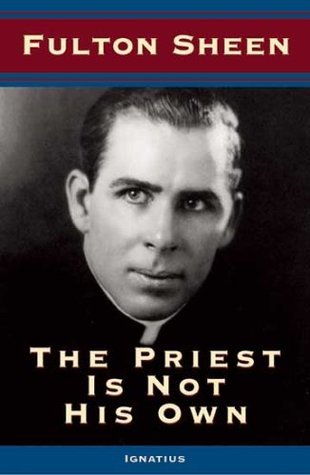
The Priest Is Not His Own
Discover the profound insights of "The Priest is Not His Own," a compelling book that delves into the spiritual and pastoral essence of priesthood. This influential work offers a deep exploration of the priest's role as a servant of Christ, emphasizing sacrifice and devotion in the service of others. Perfect for clergy and lay readers alike, it provides inspiration and guidance for those committed to the vocation of priesthood.

Reviews
There are no reviews yet.