










CELIBACY AND AFRICAN CULTURE
₦1,450.00
The Significance of Celibacy in African Culture
In African culture, celibacy holds a significant place and is often associated with spiritual and cultural practices. Celibacy refers to the voluntary abstinence from sexual activity, usually for religious or cultural reasons. It is a concept that has been practiced and respected for centuries, playing a crucial role in shaping African societies.
Spiritual and Religious Practices
Celibacy is deeply rooted in African spiritual and religious practices. Many African traditional religions and belief systems emphasize the importance of self-discipline and self-control. Celibacy is seen as a way to purify oneself and attain a higher spiritual state. It is often practiced by priests, priestesses, and spiritual leaders who dedicate themselves to serving their communities and connecting with the divine.
For example, in some African cultures, young men and women undergo initiation rites that involve a period of celibacy. This is believed to prepare them for adulthood, marriage, and their future roles in society. During this time, they learn important values, traditions, and responsibilities.
Symbolism and Cultural Values
Celibacy is also associated with cultural values such as discipline, respect, and self-control. It is seen as a way to demonstrate one’s commitment to these values and to uphold the moral fabric of society. In some African communities, individuals who choose to remain celibate are often highly respected and admired for their dedication and strength of character.
Furthermore, celibacy can also serve as a form of protest or resistance against societal norms and expectations. It challenges the notion that sexual activity is the only path to fulfillment and happiness. By choosing celibacy, individuals assert their autonomy and challenge traditional gender roles and power dynamics.
Conclusion
Celibacy is an integral part of African culture, with deep spiritual and cultural significance. It is a practice that promotes self-discipline, self-control, and spiritual growth. By embracing celibacy, individuals in African societies demonstrate their commitment to cultural values and challenge societal norms. It is a powerful expression of personal choice and autonomy.
Size and packaging guidelines
| Specification | Chair | Armchair | Sofas |
| Height | 37" | 42" | 42" |
| Width | 26.5" | 32.5" | 142" |
| Depth | 19.5" | 22.5" | 24.5" |
| Assembly Required | No | No | Yes |
| Packaging Type | Box | Box | Box |
| Package Weight | 55 lbs. | 64 lbs. | 180 lbs. |
| Packaging Dimensions | 27" x 26" x 39" | 45" x 35" x 24" | 46" x 142" x 25" |
Reviews (0)
Shipping & Delivery
Related products
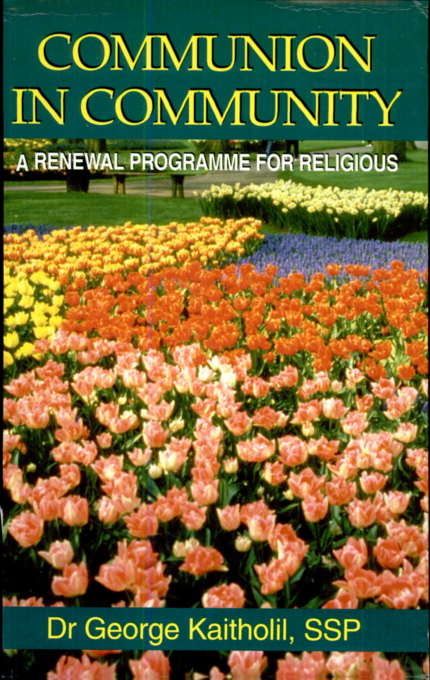
COMMUNION IN COMMUNITY
Communion in Community
Communion in community is a sacred and meaningful experience that brings people together in unity and fellowship. It is a time when individuals come together to share in a common purpose and to connect with one another on a deeper level. At its core, communion is a religious practice that symbolizes the sharing of bread and wine, representing the body and blood of Jesus Christ. It is a time for reflection, remembrance, and thanksgiving. But communion is not just about the act of partaking in bread and wine; it is also about the sense of community that is fostered during this special time. When people gather together to participate in communion, they are reminded of their shared beliefs and values. They are reminded that they are part of something greater than themselves – a community of faith. This sense of belonging and connection is vital for individuals to feel supported and encouraged in their spiritual journey. Communion in community also provides an opportunity for individuals to support and uplift one another. It is a time when people can come together to offer prayers, encouragement, and support for those in need. It is a time to celebrate joys and share burdens, knowing that they are not alone in their struggles. Furthermore, communion in community helps to foster a spirit of love, compassion, and forgiveness. It is a time when individuals can come together to reconcile and heal relationships, both with God and with one another. It is a time to let go of grudges, extend grace, and seek reconciliation. In conclusion, communion in community is a sacred and transformative practice that brings people together in unity and fellowship. It is a time for reflection, connection, support, and reconciliation. Through communion, individuals are reminded of their shared beliefs and values, and they are encouraged to live out these principles in their daily lives.
DIARY OF DIVINE MERCY
Introducing the Diary of Divine Mercy
Welcome to the world of spiritual enlightenment and profound devotion with the Diary of Divine Mercy. This extraordinary book is a powerful testament to the boundless love and mercy of God, as revealed to the humble Polish nun, Saint Faustina Kowalska.Discovering the Divine Mercy
In the Diary of Divine Mercy, Saint Faustina recounts her personal encounters with Jesus Christ and documents His messages of love, forgiveness, and compassion. This sacred text offers a unique insight into the depths of God's mercy and provides guidance on how to live a life of faith and devotion. Through her intimate conversations with Jesus, Saint Faustina shares profound revelations on the importance of trust, prayer, and repentance. The Diary of Divine Mercy serves as a spiritual guide, offering practical advice on how to cultivate a deeper relationship with God and embrace His mercy in our daily lives.Embracing God's Mercy
The Diary of Divine Mercy invites readers to reflect on the infinite love and mercy that God extends to all humanity. It encourages us to seek forgiveness, to show compassion towards others, and to trust in God's providence even in the face of adversity. By immersing ourselves in the pages of this sacred diary, we are reminded of the transformative power of God's mercy and the profound impact it can have on our lives. Through the Diary of Divine Mercy, we are invited to embark on a journey of spiritual growth and discover the true meaning of divine love and forgiveness. Experience the Diary of Divine Mercy today and allow its timeless wisdom to inspire and guide you towards a deeper understanding of God's boundless mercy.
GLORIES OF MARY
The Glories of Mary
Mary, the mother of Jesus, holds a special place in the hearts of millions of believers around the world. Her role in the Christian faith is revered and celebrated, and her virtues and qualities are seen as a source of inspiration and guidance.The Virtues of Mary
Mary is often described as the epitome of virtue. Her humility, obedience, and faithfulness are qualities that believers strive to emulate. Her unwavering devotion to God and her willingness to accept God's plan for her life are seen as shining examples of what it means to be a faithful servant. In addition to her virtues, Mary is also known for her role as the mother of Jesus. Her love for her son and her unwavering support during his ministry and crucifixion are seen as a testament to her strength and courage.Mary in Scripture and Tradition
The glories of Mary are not only found in scripture but also in the rich tradition of the Catholic Church. Mary is venerated as the Queen of Heaven and is believed to intercede for believers in their prayers to God. Throughout history, countless miracles and blessings have been attributed to Mary's intercession. Believers turn to her in times of need, seeking her guidance, comfort, and protection. Whether through prayer, devotion, or acts of service, the glories of Mary continue to inspire and uplift believers around the world. Her example of faith and virtue serves as a reminder of the power of God's love and the importance of living a life centered on Him.
MYSTICAL CITY OF GOD
The Mystical City of God: A Divine Revelation
The Mystical City of God is a profound and captivating book that offers a unique perspective on the life of the Virgin Mary and the mysteries of the Catholic faith. Written by Venerable Mary of Agreda, a 17th-century Spanish nun, this spiritual masterpiece is based on the author's mystical experiences and divine revelations. With its rich and detailed narrative, The Mystical City of God takes readers on a spiritual journey through the life of the Blessed Virgin Mary, from her immaculate conception to her assumption into heaven. It delves into the depths of her virtues, her intimate relationship with God, and her role as the Mother of Jesus Christ. This book is not only a profound meditation on the life of Mary, but it also provides insights into the mysteries of the Catholic faith. It explores topics such as the Holy Trinity, the Incarnation, the Redemption, and the sacraments, shedding light on the divine truths that form the foundation of Catholic doctrine. Written in a clear and accessible style, The Mystical City of God appeals to both scholars and spiritual seekers alike. Its profound teachings and vivid descriptions allow readers to enter into the mystical realm and contemplate the mysteries of God's love and mercy. Whether you are a devoted Catholic or someone seeking spiritual enlightenment, The Mystical City of God offers a profound and transformative reading experience. Discover the beauty and depth of the Catholic faith through this divine revelation and embark on a journey to encounter the mystical city of God.
SAINTS THAT TRIUMPHED DEATH
Saints that Triumphed Death
In the realm of faith and devotion, there exist extraordinary individuals who have transcended the boundaries of mortality. These saints, through their unwavering belief and profound spirituality, have triumphed over death itself. One such saint is Saint John of the Cross, a 16th-century mystic and poet. Despite enduring imprisonment and persecution, his unyielding faith allowed him to transcend the physical constraints of his earthly existence. Through his writings and teachings, he continues to inspire countless souls to seek a higher spiritual plane. Another remarkable figure is Saint Teresa of Avila, a 16th-century Spanish mystic and reformer. Her profound spiritual experiences, including mystical visions and encounters with divine beings, elevated her beyond the limitations of human mortality. Her writings, such as "The Interior Castle," provide invaluable insights into the depths of the human soul and the path to spiritual enlightenment. One cannot overlook the extraordinary life of Saint Francis of Assisi, who renounced his worldly possessions and embraced a life of poverty and humility. His deep connection with nature and his unwavering devotion to God allowed him to transcend the fear of death. His legacy lives on through the Franciscan order and his teachings on compassion and love for all of God's creations. These saints, and many others throughout history, serve as beacons of hope and inspiration for all who seek a deeper connection with the divine. Their lives remind us that death is not an end but a gateway to eternal life, and that through faith and devotion, we too can triumph over the limitations of our mortal existence.
ST MARTIN DE PORRES
Saint Martin de Porres: A Devout and Compassionate Saint
Saint Martin de Porres, also known as the "Saint of the Broom," was a Peruvian Dominican lay brother who lived in the 16th century. He is revered for his deep faith, selflessness, and dedication to serving others. Early Life and Faith Born in Lima, Peru in 1579, Martin de Porres faced many challenges due to his mixed-race heritage. Despite the discrimination he faced, he remained steadfast in his faith and dedicated his life to serving God and others. Compassion and Healing Saint Martin de Porres had a special gift for healing the sick and comforting the suffering. Many sought his assistance, and he would often spend hours praying with them and offering them solace. His compassion and kindness were renowned, and he became a symbol of hope for the marginalized and oppressed. Humility and Service One of the most notable aspects of Saint Martin de Porres' life was his humility and commitment to serving others. Despite his extraordinary abilities and reputation, he considered himself unworthy and chose to perform menial tasks, such as cleaning and sweeping, in the monastery. He saw these tasks as opportunities to serve God and his fellow brothers. Legacy and Canonization Saint Martin de Porres' legacy lives on through the countless lives he touched and the miracles attributed to his intercession. He was canonized by Pope John XXIII in 1962 and is now recognized as the patron saint of mixed-race people, barbers, and public health workers. In conclusion, Saint Martin de Porres is a shining example of faith, compassion, and humility. His life serves as an inspiration to all, reminding us to serve others selflessly and to embrace the diversity and beauty of all God's children.
UNTAPPED POWER OF THE SARCRAMENTS
The Untapped Power of the Sacraments
The sacraments hold a profound and transformative power that often goes unnoticed or underutilized. These sacred rituals, instituted by Christ Himself, are channels through which God's grace flows into our lives, nourishing and strengthening our souls. Baptism: The sacrament of baptism is the gateway to the Christian life. Through the pouring of water and the invocation of the Holy Trinity, we are cleansed of original sin and become members of the Church. Baptism not only grants us forgiveness of sins but also infuses us with the Holy Spirit, marking us as God's beloved children. Confirmation: Confirmation is the sacrament in which we receive the fullness of the Holy Spirit. Through the anointing with chrism oil and the laying on of hands, we are sealed with the gifts of the Spirit and empowered to live as witnesses of Christ in the world. Confirmation strengthens our faith and equips us to face the challenges of discipleship. Eucharist: The Eucharist, also known as Holy Communion, is the sacrament in which we receive the body and blood of Christ. This sacred meal nourishes our souls and unites us with Christ and His Church. Through the Eucharist, we are transformed into the likeness of Christ and are given the grace to live as His disciples. Reconciliation: The sacrament of reconciliation, also called confession, offers us the opportunity to receive God's forgiveness and healing. Through the ministry of the priest, we confess our sins, receive absolution, and are reconciled with God and the Church. Reconciliation restores our relationship with God and strengthens our resolve to live in holiness. Matrimony and Holy Orders: The sacraments of matrimony and holy orders are vocations through which individuals are called to a life of service and love. Matrimony is a covenant between a man and a woman, while holy orders is the sacrament through which men are ordained as deacons, priests, or bishops. These sacraments bestow graces upon those called to these vocations and enable them to fulfill their respective roles in the Church. Anointing of the Sick: The sacrament of the anointing of the sick brings comfort, healing, and strength to those who are suffering from illness or facing the end of their earthly life. Through the anointing with oil and the prayers of the Church, the sick are united with the suffering of Christ and are given the grace to endure their trials with faith and hope. By fully embracing and participating in the sacraments, we open ourselves to the abundant grace and blessings that God desires to pour into our lives. Let us not overlook the untapped power of these sacred rituals and instead seek to encounter God's transformative love through them.The Untapped Power of the Sacraments
In the Catholic tradition, the sacraments are considered sacred rituals that bring individuals closer to God and provide them with spiritual nourishment. However, many people fail to fully understand and appreciate the power and significance of these sacraments in their lives. Baptism: The sacrament of baptism is the gateway to the Christian life. Through the pouring of water and the invocation of the Holy Trinity, individuals are cleansed of original sin and become members of the Church. Baptism marks the beginning of a lifelong journey of faith and opens the door to the other sacraments. Confirmation: Confirmation is the sacrament in which individuals receive the fullness of the Holy Spirit. Through the anointing with sacred chrism, they are strengthened in their faith and empowered to live as witnesses of Christ in the world. Confirmation provides the grace needed to face the challenges of life and to grow in holiness. Eucharist: The sacrament of the Eucharist, also known as Holy Communion, is the source and summit of the Christian life. In this sacrament, bread and wine are transformed into the body and blood of Christ. By receiving the Eucharist, individuals are united with Christ and with one another, and they are nourished spiritually. Reconciliation: Reconciliation, also known as confession, is the sacrament in which individuals receive God's forgiveness for their sins. Through the ministry of the priest, they confess their sins, express contrition, and receive absolution. Reconciliation brings about healing and reconciliation with God and with the Church. Marriage: The sacrament of marriage is a sacred covenant between a man and a woman. Through their exchange of vows, they become partners for life and are called to love and support each other. Marriage is a sacrament of love and unity, and it provides the grace needed to live out the vocation of marriage. Holy Orders: Holy Orders is the sacrament through which men are ordained as deacons, priests, or bishops. Through the laying on of hands by the bishop, individuals are consecrated for ministry in the Church. Holy Orders empowers individuals to serve the people of God and to bring them closer to Christ. By understanding and embracing the power of the sacraments, individuals can experience a deeper relationship with God and a greater sense of purpose in their lives. The sacraments are not mere rituals, but rather channels of God's grace that enable individuals to grow in holiness and to live out their faith more fully.

Reviews
There are no reviews yet.