



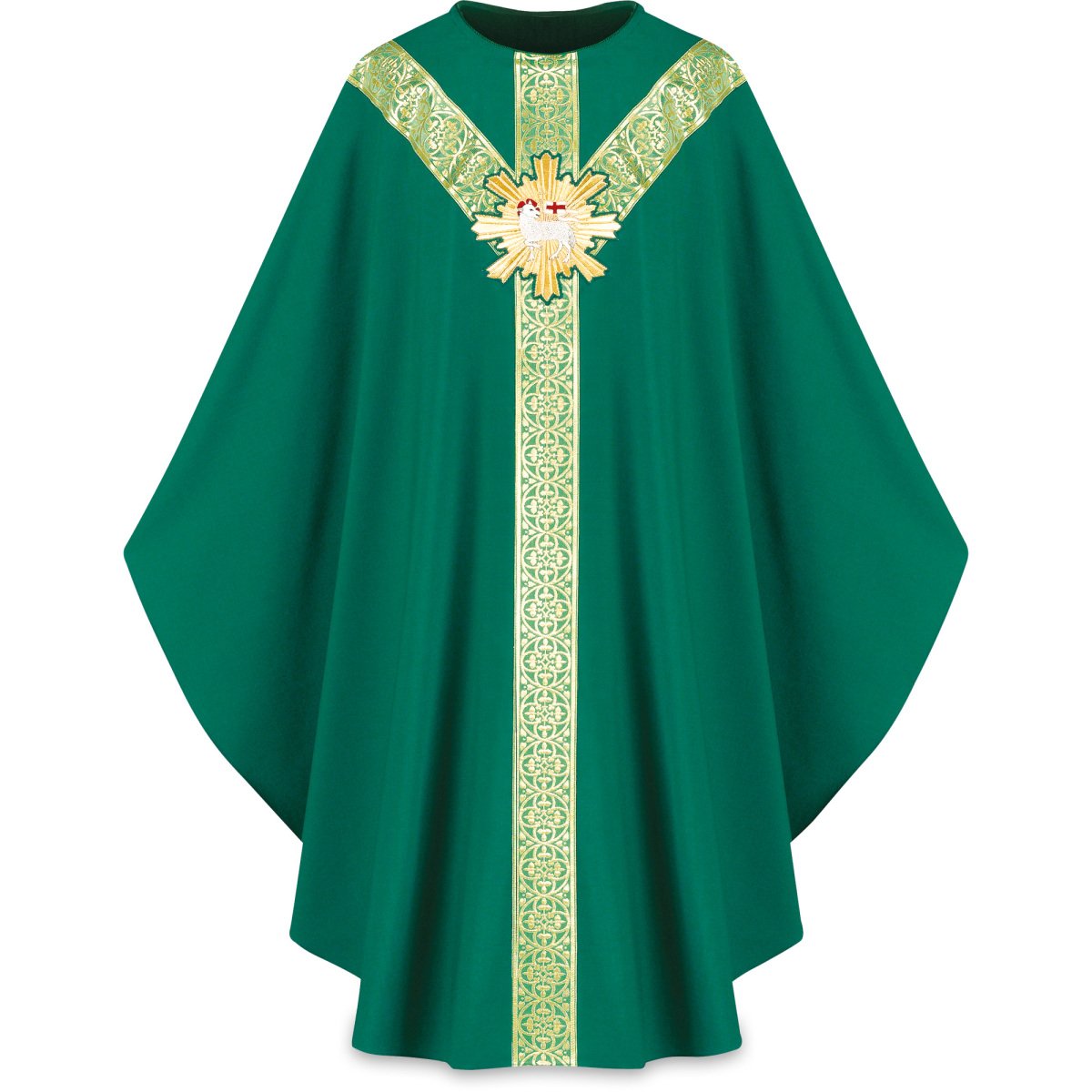
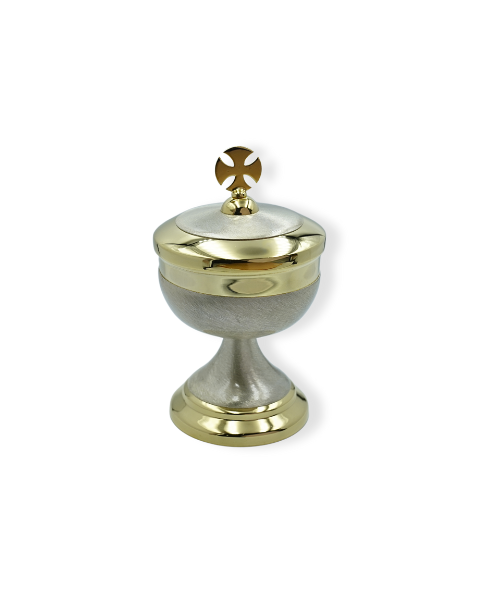






CUP OF LIFE
₦2,250.00
The Cup of Life: A Perfect Blend of Style and Functionality
Introducing the Cup of Life, a revolutionary product that combines style and functionality to enhance your daily beverage experience. Whether you’re enjoying a hot cup of coffee in the morning or sipping on a refreshing iced tea in the afternoon, this cup is designed to elevate your drinking experience to new heights.
Unparalleled Design
With its sleek and modern design, the Cup of Life is a true work of art. Crafted from high-quality materials, it not only looks great but also feels comfortable in your hands. The ergonomic shape ensures a secure grip, preventing any accidental spills or slips. Available in a range of vibrant colors, you can choose the one that matches your personal style.
Enhanced Functionality
The Cup of Life is not just a pretty face. It is equipped with innovative features that make it a joy to use. The double-walled construction keeps your hot drinks hot and your cold drinks cold for longer periods, allowing you to enjoy your beverage at the perfect temperature. The leak-proof lid ensures that you can take your cup on the go without any worries of spills.
Additionally, the Cup of Life is easy to clean and maintain. It is dishwasher safe, saving you time and effort in the kitchen. The wide opening makes it easy to fill and drink from, while the secure lid prevents any unwanted leaks or drips.
A Sustainable Choice
By choosing the Cup of Life, you are not only investing in a high-quality product but also making a positive impact on the environment. Made from eco-friendly materials, this cup is a sustainable alternative to single-use plastic cups. By using it regularly, you are reducing your carbon footprint and contributing to a greener future.
Experience the perfect blend of style and functionality with the Cup of Life. Elevate your daily beverage routine and make a sustainable choice today.
Size and packaging guidelines
| Specification | Chair | Armchair | Sofas |
| Height | 37" | 42" | 42" |
| Width | 26.5" | 32.5" | 142" |
| Depth | 19.5" | 22.5" | 24.5" |
| Assembly Required | No | No | Yes |
| Packaging Type | Box | Box | Box |
| Package Weight | 55 lbs. | 64 lbs. | 180 lbs. |
| Packaging Dimensions | 27" x 26" x 39" | 45" x 35" x 24" | 46" x 142" x 25" |
Reviews (0)
Shipping & Delivery
Related products
CONSECRATED LIFE
Discover the Beauty of Consecrated Life
Consecrated life is a sacred vocation that holds a special place within the Catholic Church. It is a calling to live a life of total dedication to God and service to others. Those who embrace this path commit themselves to a life of prayer, community living, and apostolic work.Embracing a Life of Prayer
At the heart of consecrated life is a deep commitment to prayer. Consecrated men and women spend significant time in prayer, seeking a closer relationship with God and discerning His will. Through daily prayer, they draw strength, guidance, and inspiration to carry out their mission in the world.Living in Community
Consecrated life also involves living in community with fellow religious brothers or sisters. This communal living fosters a spirit of unity, support, and shared mission. Together, they strive to create a loving and supportive environment where they can grow in holiness and serve others.Apostolic Work and Service
Consecrated men and women are called to serve others in a variety of ways. They may work in education, healthcare, social services, or other fields, using their unique gifts and talents to make a positive impact on the world. Through their apostolic work, they become a living witness of God's love and mercy. Consecrated life is a beautiful and fulfilling vocation that offers a unique opportunity to deepen one's relationship with God and serve others. It requires a deep sense of commitment, sacrifice, and selflessness. If you are discerning a call to consecrated life, we invite you to explore this noble path and discover the joy and fulfillment it can bring.
DOGMA OF HELL
The Dogma of Hell: Understanding the Concept
In religious and theological contexts, the concept of Hell has been a subject of much debate and speculation. The Dogma of Hell refers to the belief in the existence of a place of eternal punishment for those who have committed grave sins or rejected divine grace. According to this dogma, Hell is portrayed as a realm of torment and suffering, where the souls of the damned are condemned to spend eternity. It is often described as a place of fire and brimstone, where the wicked are punished for their sins.Theological Perspectives on Hell
Various religious traditions have different interpretations of Hell. In Christianity, for example, Hell is seen as a consequence of the rejection of God's love and mercy. It is believed to be a place of separation from God, where the souls of sinners are eternally cut off from His presence. From a philosophical standpoint, the concept of Hell raises questions about the nature of justice, punishment, and the afterlife. It is often seen as a moral deterrent, serving as a warning against committing evil actions. The belief in Hell also provides a sense of justice, as it suggests that wrongdoers will ultimately face the consequences of their actions.Contemporary Interpretations
In modern times, the Dogma of Hell has been subject to reinterpretation and criticism. Some theologians and religious scholars argue for a more metaphorical understanding of Hell, suggesting that it represents a state of spiritual separation from God rather than a literal place of punishment. Others question the fairness and justice of eternal damnation, asserting that a loving and merciful God would not condemn individuals to infinite suffering. These alternative perspectives seek to reconcile the concept of Hell with notions of divine love, forgiveness, and redemption. Ultimately, the Dogma of Hell remains a complex and multifaceted aspect of religious belief. It continues to provoke theological discussions and reflections on the nature of sin, punishment, and the afterlife.
LIFE AND MESSAGE OF SISTER MARY OF THE HOLY
The Life and Message of Sister Mary of the Holy
Sister Mary of the Holy, born in the small town of St. Joseph, dedicated her entire life to serving others and spreading the message of love and compassion. Her journey began at a young age when she felt a calling to join the religious order of the Sisters of Mercy.Early Life and Education
Sister Mary of the Holy was born into a humble family, where she learned the values of faith and kindness from her parents. From an early age, she displayed a deep sense of spirituality and a desire to help those in need. After completing her primary education, she joined the Sisters of Mercy and embarked on a path of spiritual growth and service.Devotion to Service
Throughout her life, Sister Mary of the Holy dedicated herself to serving the less fortunate. She worked tirelessly in hospitals, orphanages, and schools, providing care, support, and education to those who needed it most. Her selflessness and genuine love for others inspired many to follow in her footsteps.Message of Love and Compassion
Sister Mary of the Holy's message centered around the importance of love and compassion in our daily lives. She believed that by showing kindness and empathy towards others, we could bring about positive change in the world. Her teachings emphasized the need to treat every person with respect and dignity, regardless of their background or circumstances. In conclusion, Sister Mary of the Holy's life and message continue to inspire and touch the hearts of many. Her unwavering dedication to serving others and spreading love and compassion serves as a reminder of the power of selflessness and kindness.
SAINTS THAT TRIUMPHED DEATH
Saints that Triumphed Death
In the realm of faith and devotion, there exist extraordinary individuals who have transcended the boundaries of mortality. These saints, through their unwavering belief and profound spirituality, have triumphed over death itself. One such saint is Saint John of the Cross, a 16th-century mystic and poet. Despite enduring imprisonment and persecution, his unyielding faith allowed him to transcend the physical constraints of his earthly existence. Through his writings and teachings, he continues to inspire countless souls to seek a higher spiritual plane. Another remarkable figure is Saint Teresa of Avila, a 16th-century Spanish mystic and reformer. Her profound spiritual experiences, including mystical visions and encounters with divine beings, elevated her beyond the limitations of human mortality. Her writings, such as "The Interior Castle," provide invaluable insights into the depths of the human soul and the path to spiritual enlightenment. One cannot overlook the extraordinary life of Saint Francis of Assisi, who renounced his worldly possessions and embraced a life of poverty and humility. His deep connection with nature and his unwavering devotion to God allowed him to transcend the fear of death. His legacy lives on through the Franciscan order and his teachings on compassion and love for all of God's creations. These saints, and many others throughout history, serve as beacons of hope and inspiration for all who seek a deeper connection with the divine. Their lives remind us that death is not an end but a gateway to eternal life, and that through faith and devotion, we too can triumph over the limitations of our mortal existence.
STORY OF A SOUL
The Story of a Soul
The Story of a Soul is a captivating memoir written by Saint Thérèse of Lisieux, a French Carmelite nun. This spiritual autobiography chronicles her journey of faith, love, and devotion to God. Thérèse's story begins with her childhood in a loving and devout family. She shares her early experiences, including her mother's death and her entry into the Carmelite convent at the tender age of 15. Through her honest and heartfelt narrative, Thérèse reveals her deep longing to serve God and her desire to become a saint. Throughout the memoir, Thérèse delves into her spiritual experiences and the challenges she faced in her pursuit of holiness. She describes her "little way," a path of simplicity and humility that she believed would lead her to heaven. Thérèse's teachings on the importance of doing small acts of love and offering them to God have inspired countless readers to find meaning and purpose in their daily lives. Thérèse's story also explores her struggles with illness and the physical pain she endured. Despite these hardships, she remained steadfast in her faith and found solace in her relationship with God. Her unwavering trust in divine providence serves as a powerful example of hope and resilience. The Story of a Soul offers profound insights into the nature of God's love and the beauty of a life lived in devotion to Him. Thérèse's words continue to resonate with readers of all backgrounds, inspiring them to seek a deeper connection with their faith and embrace a life of love and service.
THE INCORRUPTIBLE
The Incorruptible
The Incorruptible is a revolutionary new product that is designed to provide unparalleled durability and longevity. Made from the highest quality materials and with meticulous attention to detail, this product is built to withstand the test of time.Unmatched Durability
With its innovative construction, The Incorruptible is virtually indestructible. Whether you're using it for outdoor adventures or everyday tasks, this product will never let you down. Its robust design ensures that it can withstand even the harshest of conditions, making it the perfect companion for any situation.Long-Lasting Performance
Unlike other products on the market, The Incorruptible is built to last. Its superior craftsmanship and high-quality materials ensure that it will continue to perform at its best for years to come. Say goodbye to constantly replacing worn-out products and hello to The Incorruptible's long-lasting performance. Whether you're a professional in need of a reliable tool or an individual looking for a product that will stand the test of time, The Incorruptible is the perfect choice. Its unmatched durability and long-lasting performance make it a true game-changer in its field. Invest in The Incorruptible today and experience the difference for yourself.
UNTAPPED POWER OF THE SARCRAMENTS
The Untapped Power of the Sacraments
The sacraments hold a profound and transformative power that often goes unnoticed or underutilized. These sacred rituals, instituted by Christ Himself, are channels through which God's grace flows into our lives, nourishing and strengthening our souls. Baptism: The sacrament of baptism is the gateway to the Christian life. Through the pouring of water and the invocation of the Holy Trinity, we are cleansed of original sin and become members of the Church. Baptism not only grants us forgiveness of sins but also infuses us with the Holy Spirit, marking us as God's beloved children. Confirmation: Confirmation is the sacrament in which we receive the fullness of the Holy Spirit. Through the anointing with chrism oil and the laying on of hands, we are sealed with the gifts of the Spirit and empowered to live as witnesses of Christ in the world. Confirmation strengthens our faith and equips us to face the challenges of discipleship. Eucharist: The Eucharist, also known as Holy Communion, is the sacrament in which we receive the body and blood of Christ. This sacred meal nourishes our souls and unites us with Christ and His Church. Through the Eucharist, we are transformed into the likeness of Christ and are given the grace to live as His disciples. Reconciliation: The sacrament of reconciliation, also called confession, offers us the opportunity to receive God's forgiveness and healing. Through the ministry of the priest, we confess our sins, receive absolution, and are reconciled with God and the Church. Reconciliation restores our relationship with God and strengthens our resolve to live in holiness. Matrimony and Holy Orders: The sacraments of matrimony and holy orders are vocations through which individuals are called to a life of service and love. Matrimony is a covenant between a man and a woman, while holy orders is the sacrament through which men are ordained as deacons, priests, or bishops. These sacraments bestow graces upon those called to these vocations and enable them to fulfill their respective roles in the Church. Anointing of the Sick: The sacrament of the anointing of the sick brings comfort, healing, and strength to those who are suffering from illness or facing the end of their earthly life. Through the anointing with oil and the prayers of the Church, the sick are united with the suffering of Christ and are given the grace to endure their trials with faith and hope. By fully embracing and participating in the sacraments, we open ourselves to the abundant grace and blessings that God desires to pour into our lives. Let us not overlook the untapped power of these sacred rituals and instead seek to encounter God's transformative love through them.The Untapped Power of the Sacraments
In the Catholic tradition, the sacraments are considered sacred rituals that bring individuals closer to God and provide them with spiritual nourishment. However, many people fail to fully understand and appreciate the power and significance of these sacraments in their lives. Baptism: The sacrament of baptism is the gateway to the Christian life. Through the pouring of water and the invocation of the Holy Trinity, individuals are cleansed of original sin and become members of the Church. Baptism marks the beginning of a lifelong journey of faith and opens the door to the other sacraments. Confirmation: Confirmation is the sacrament in which individuals receive the fullness of the Holy Spirit. Through the anointing with sacred chrism, they are strengthened in their faith and empowered to live as witnesses of Christ in the world. Confirmation provides the grace needed to face the challenges of life and to grow in holiness. Eucharist: The sacrament of the Eucharist, also known as Holy Communion, is the source and summit of the Christian life. In this sacrament, bread and wine are transformed into the body and blood of Christ. By receiving the Eucharist, individuals are united with Christ and with one another, and they are nourished spiritually. Reconciliation: Reconciliation, also known as confession, is the sacrament in which individuals receive God's forgiveness for their sins. Through the ministry of the priest, they confess their sins, express contrition, and receive absolution. Reconciliation brings about healing and reconciliation with God and with the Church. Marriage: The sacrament of marriage is a sacred covenant between a man and a woman. Through their exchange of vows, they become partners for life and are called to love and support each other. Marriage is a sacrament of love and unity, and it provides the grace needed to live out the vocation of marriage. Holy Orders: Holy Orders is the sacrament through which men are ordained as deacons, priests, or bishops. Through the laying on of hands by the bishop, individuals are consecrated for ministry in the Church. Holy Orders empowers individuals to serve the people of God and to bring them closer to Christ. By understanding and embracing the power of the sacraments, individuals can experience a deeper relationship with God and a greater sense of purpose in their lives. The sacraments are not mere rituals, but rather channels of God's grace that enable individuals to grow in holiness and to live out their faith more fully.

Reviews
There are no reviews yet.