












RELIGIOUS POVERTY IN AFRICA
₦1,750.00
The Impact of Religious Poverty in Africa
Africa, a continent rich in cultural diversity and natural resources, also faces the harsh reality of religious poverty. This phenomenon, characterized by a lack of access to basic necessities and economic opportunities, is exacerbated by the influence of religious beliefs and practices.
Causes of Religious Poverty
One of the main causes of religious poverty in Africa is the prevalence of traditional beliefs and practices that hinder economic development. Superstitions and taboos often restrict individuals from engaging in certain activities or pursuing certain occupations, limiting their potential for growth and prosperity.
Another contributing factor is the exploitation of religion by unscrupulous individuals who take advantage of people’s faith for personal gain. False prophets and charlatans manipulate the vulnerable, promising divine intervention and prosperity in exchange for financial contributions. This exploitation perpetuates a cycle of poverty and dependence.
Consequences and Solutions
The consequences of religious poverty are far-reaching and affect various aspects of African society. Limited access to education, healthcare, and infrastructure further perpetuates the cycle of poverty. Additionally, religious poverty can lead to social unrest and conflict as people struggle for resources and opportunities.
To address this issue, it is crucial to promote education and critical thinking within religious communities. By empowering individuals with knowledge and encouraging them to question outdated beliefs and practices, the cycle of religious poverty can be broken. Additionally, governments and organizations should work together to provide economic opportunities, infrastructure, and social support to uplift those affected by religious poverty.
In conclusion, religious poverty in Africa is a complex issue that requires a multi-faceted approach. By addressing the root causes and implementing sustainable solutions, we can work towards a future where all Africans have equal access to opportunities and a better quality of life.
Size and packaging guidelines
| Specification | Chair | Armchair | Sofas |
| Height | 37" | 42" | 42" |
| Width | 26.5" | 32.5" | 142" |
| Depth | 19.5" | 22.5" | 24.5" |
| Assembly Required | No | No | Yes |
| Packaging Type | Box | Box | Box |
| Package Weight | 55 lbs. | 64 lbs. | 180 lbs. |
| Packaging Dimensions | 27" x 26" x 39" | 45" x 35" x 24" | 46" x 142" x 25" |
Reviews (0)
Shipping & Delivery
Related products
DIARY OF DIVINE MERCY
Introducing the Diary of Divine Mercy
Welcome to the world of spiritual enlightenment and profound devotion with the Diary of Divine Mercy. This extraordinary book is a powerful testament to the boundless love and mercy of God, as revealed to the humble Polish nun, Saint Faustina Kowalska.Discovering the Divine Mercy
In the Diary of Divine Mercy, Saint Faustina recounts her personal encounters with Jesus Christ and documents His messages of love, forgiveness, and compassion. This sacred text offers a unique insight into the depths of God's mercy and provides guidance on how to live a life of faith and devotion. Through her intimate conversations with Jesus, Saint Faustina shares profound revelations on the importance of trust, prayer, and repentance. The Diary of Divine Mercy serves as a spiritual guide, offering practical advice on how to cultivate a deeper relationship with God and embrace His mercy in our daily lives.Embracing God's Mercy
The Diary of Divine Mercy invites readers to reflect on the infinite love and mercy that God extends to all humanity. It encourages us to seek forgiveness, to show compassion towards others, and to trust in God's providence even in the face of adversity. By immersing ourselves in the pages of this sacred diary, we are reminded of the transformative power of God's mercy and the profound impact it can have on our lives. Through the Diary of Divine Mercy, we are invited to embark on a journey of spiritual growth and discover the true meaning of divine love and forgiveness. Experience the Diary of Divine Mercy today and allow its timeless wisdom to inspire and guide you towards a deeper understanding of God's boundless mercy.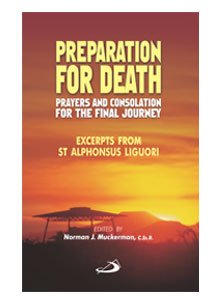
Preparation for Death : Prayers and Consolation for the Final Journey
Preparation for Death: Prayers and Consolation for the Final Journey Book by St. Alphonsus Liguori
Are you looking for guidance and solace as you prepare for the inevitable journey of death? Look no further than the book "Preparation for Death: Prayers and Consolation for the Final Journey" by St. Alphonsus Liguori. This profound and thought-provoking book offers a comprehensive guide to help you navigate the spiritual and emotional aspects of facing mortality. St. Alphonsus Liguori, a renowned Italian bishop and spiritual writer, shares his wisdom and insights on the subject of death in this timeless masterpiece. Through a series of prayers, reflections, and consoling words, he offers comfort and guidance to those who are preparing for the final journey.Key Features:
1. Prayerful Guidance: St. Alphonsus Liguori provides a collection of powerful prayers that can be used to seek solace, forgiveness, and spiritual strength during the challenging moments leading up to death. 2. Reflections on Mortality: The book delves into the reality of death and encourages readers to reflect on the brevity of life. It offers profound insights into the importance of spiritual preparation and the need to prioritize eternal salvation. 3. Consolation and Hope: St. Alphonsus Liguori's words bring comfort to those who are facing the uncertainty of death. He offers reassurance that God's mercy and love are ever-present, providing hope and peace in the midst of fear and anxiety. Whether you are personally preparing for death or seeking to support a loved one on their final journey, "Preparation for Death: Prayers and Consolation for the Final Journey" is a valuable resource. It will inspire and uplift your spirit, reminding you of the importance of faith, prayer, and the eternal journey that awaits us all.
SAINTS TODAY
Saints Today: How Can I Be One Too?
Many people admire saints for their exceptional virtues and their dedication to living a righteous life. While becoming a saint may seem like an unattainable goal, there are steps you can take to cultivate saintly qualities in your own life.1. Cultivate Virtues
Saints are known for their virtues, such as compassion, humility, patience, and selflessness. To become more like a saint, focus on developing these virtues in your own life. Practice acts of kindness and generosity, seek to understand and empathize with others, and strive to be patient and forgiving.2. Deepen Your Spirituality
Saints have a deep connection with their spiritual beliefs and dedicate their lives to serving a higher purpose. To follow in their footsteps, explore your own spirituality and deepen your relationship with your faith or belief system. This can be done through prayer, meditation, attending religious services, or engaging in spiritual practices that resonate with you.3. Serve Others
Saints are known for their selfless service to others. Look for opportunities to help those in need, whether through volunteering, donating to charitable causes, or simply offering a helping hand to a friend or neighbor. By putting the needs of others before your own, you can cultivate a spirit of service and make a positive impact on the world around you. While becoming a saint may not be an easy or straightforward path, it is possible to embody saintly qualities in your own life. By cultivating virtues, deepening your spirituality, and serving others, you can strive to live a life that is aligned with the ideals of the saints.
ST CAMILLUS DE LELLIS
About St. Camillus de Lellis
St. Camillus de Lellis, also known as St. Camillus of Lellis, was an Italian priest who lived during the 16th century. He is recognized as the patron saint of nurses, the sick, and hospitals. St. Camillus dedicated his life to caring for the sick and those in need, and his legacy continues to inspire healthcare professionals today.The Life and Works of St. Camillus de Lellis
Born in 1550 in Italy, St. Camillus experienced a transformation in his life after a series of personal struggles and hardships. He had a profound conversion and dedicated himself to serving the sick and the poor. St. Camillus founded the Order of Clerks Regular, Ministers of the Infirm (commonly known as the Camillians), a religious order focused on healthcare and the care of the sick. St. Camillus and his fellow Camillians established hospitals and healthcare facilities throughout Europe, providing compassionate care to those in need. They emphasized the importance of treating patients with dignity and respect, as well as providing holistic care that addressed both their physical and spiritual needs.The Legacy of St. Camillus de Lellis
St. Camillus de Lellis left a lasting impact on the field of healthcare. His dedication to the sick and his emphasis on compassionate care continue to inspire healthcare professionals around the world. Many hospitals and healthcare organizations have adopted his principles and values, striving to provide the highest quality of care to their patients. St. Camillus de Lellis serves as a reminder of the importance of selfless service and compassion in the healthcare field. His legacy is a testament to the power of caring for others and the profound impact it can have on individuals and communities.
ST MARTIN DE PORRES
Saint Martin de Porres: A Devout and Compassionate Saint
Saint Martin de Porres, also known as the "Saint of the Broom," was a Peruvian Dominican lay brother who lived in the 16th century. He is revered for his deep faith, selflessness, and dedication to serving others. Early Life and Faith Born in Lima, Peru in 1579, Martin de Porres faced many challenges due to his mixed-race heritage. Despite the discrimination he faced, he remained steadfast in his faith and dedicated his life to serving God and others. Compassion and Healing Saint Martin de Porres had a special gift for healing the sick and comforting the suffering. Many sought his assistance, and he would often spend hours praying with them and offering them solace. His compassion and kindness were renowned, and he became a symbol of hope for the marginalized and oppressed. Humility and Service One of the most notable aspects of Saint Martin de Porres' life was his humility and commitment to serving others. Despite his extraordinary abilities and reputation, he considered himself unworthy and chose to perform menial tasks, such as cleaning and sweeping, in the monastery. He saw these tasks as opportunities to serve God and his fellow brothers. Legacy and Canonization Saint Martin de Porres' legacy lives on through the countless lives he touched and the miracles attributed to his intercession. He was canonized by Pope John XXIII in 1962 and is now recognized as the patron saint of mixed-race people, barbers, and public health workers. In conclusion, Saint Martin de Porres is a shining example of faith, compassion, and humility. His life serves as an inspiration to all, reminding us to serve others selflessly and to embrace the diversity and beauty of all God's children.
ST MAXIMILLIAN KOLBE
Saint Maximilian Kolbe - A Hero of Faith and Sacrifice
Saint Maximilian Kolbe, also known as Saint Maximilian Maria Kolbe, was a Polish Franciscan friar who lived from 1894 to 1941. He is widely recognized as a hero of faith and sacrifice, and his life and actions continue to inspire people around the world. Born as Rajmund Kolbe, he joined the Franciscan order and took the name Maximilian. He dedicated his life to spreading the message of the Gospel and promoting devotion to the Virgin Mary. He founded the Militia Immaculata, a movement that aimed to bring people closer to God through the intercession of the Blessed Virgin Mary.Sacrifice for Others
One of the most remarkable acts of Saint Maximilian Kolbe's life occurred during World War II. In 1941, he was arrested by the Nazis and sent to the Auschwitz concentration camp. When a fellow prisoner was chosen to be executed as a punishment for an escape attempt, Maximilian Kolbe volunteered to take his place. This act of selflessness and sacrifice demonstrated Saint Maximilian's deep love for others and his unwavering faith. His willingness to lay down his life for a stranger is a powerful example of Christian love and the value he placed on every human life.Legacy and Canonization
Saint Maximilian Kolbe's legacy lives on through his writings and the impact he had on those who knew him. He was canonized as a saint by Pope John Paul II in 1982, and his feast day is celebrated on August 14th. Today, Saint Maximilian Kolbe is revered as a patron saint of prisoners, journalists, and the pro-life movement. His life serves as a reminder of the importance of faith, love, and sacrifice in the face of adversity.
THE INCORRUPTIBLE
The Incorruptible
The Incorruptible is a revolutionary new product that is designed to provide unparalleled durability and longevity. Made from the highest quality materials and with meticulous attention to detail, this product is built to withstand the test of time.Unmatched Durability
With its innovative construction, The Incorruptible is virtually indestructible. Whether you're using it for outdoor adventures or everyday tasks, this product will never let you down. Its robust design ensures that it can withstand even the harshest of conditions, making it the perfect companion for any situation.Long-Lasting Performance
Unlike other products on the market, The Incorruptible is built to last. Its superior craftsmanship and high-quality materials ensure that it will continue to perform at its best for years to come. Say goodbye to constantly replacing worn-out products and hello to The Incorruptible's long-lasting performance. Whether you're a professional in need of a reliable tool or an individual looking for a product that will stand the test of time, The Incorruptible is the perfect choice. Its unmatched durability and long-lasting performance make it a true game-changer in its field. Invest in The Incorruptible today and experience the difference for yourself.

Reviews
There are no reviews yet.