













SAINT PAUL THE APOSTLE
₦1,500.00
Saint Paul the Apostle
Saint Paul the Apostle, also known as Paul of Tarsus, was a prominent figure in early Christianity. He played a significant role in spreading the teachings of Jesus Christ and establishing Christian communities throughout the Roman Empire.
Born in Tarsus, a city in modern-day Turkey, Paul was originally known as Saul. He was a devout Jew and initially persecuted Christians. However, his life took a dramatic turn when he had a transformative encounter with Jesus on the road to Damascus. This experience led to his conversion to Christianity and a lifelong commitment to spreading the Gospel.
Paul’s writings are an integral part of the New Testament. His letters, known as the Pauline Epistles, provide valuable insights into the early Christian community and address various theological and practical issues. Some of his notable epistles include Romans, Corinthians, and Galatians.
Paul’s missionary journeys were extensive, and he traveled throughout the eastern Mediterranean, establishing churches and preaching to both Jews and Gentiles. He faced numerous challenges and hardships, including imprisonment and persecution, but remained steadfast in his faith and commitment to his mission.
Paul’s teachings emphasized the importance of faith in Jesus Christ, the concept of salvation through grace, and the unity of all believers in Christ. He played a crucial role in shaping the early Christian theology and contributed significantly to the development of the early Church.
Saint Paul the Apostle’s legacy continues to inspire and guide Christians worldwide. His life and teachings serve as a testament to the transformative power of faith and the enduring impact of one individual’s dedication to spreading the Gospel.
Size and packaging guidelines
| Specification | Chair | Armchair | Sofas |
| Height | 37" | 42" | 42" |
| Width | 26.5" | 32.5" | 142" |
| Depth | 19.5" | 22.5" | 24.5" |
| Assembly Required | No | No | Yes |
| Packaging Type | Box | Box | Box |
| Package Weight | 55 lbs. | 64 lbs. | 180 lbs. |
| Packaging Dimensions | 27" x 26" x 39" | 45" x 35" x 24" | 46" x 142" x 25" |
Reviews (0)
Shipping & Delivery
Related products
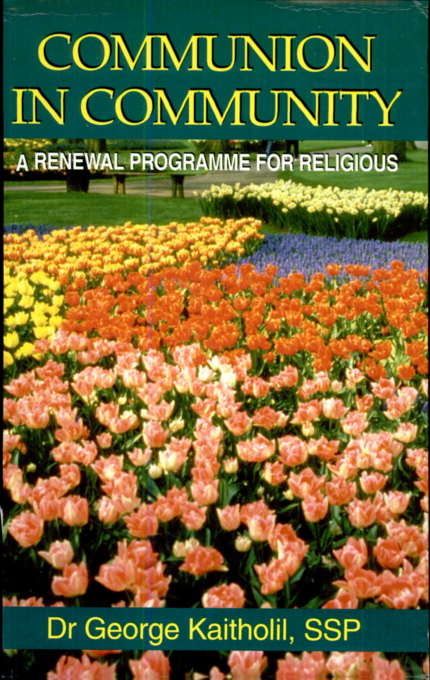
COMMUNION IN COMMUNITY
Communion in Community
Communion in community is a sacred and meaningful experience that brings people together in unity and fellowship. It is a time when individuals come together to share in a common purpose and to connect with one another on a deeper level. At its core, communion is a religious practice that symbolizes the sharing of bread and wine, representing the body and blood of Jesus Christ. It is a time for reflection, remembrance, and thanksgiving. But communion is not just about the act of partaking in bread and wine; it is also about the sense of community that is fostered during this special time. When people gather together to participate in communion, they are reminded of their shared beliefs and values. They are reminded that they are part of something greater than themselves – a community of faith. This sense of belonging and connection is vital for individuals to feel supported and encouraged in their spiritual journey. Communion in community also provides an opportunity for individuals to support and uplift one another. It is a time when people can come together to offer prayers, encouragement, and support for those in need. It is a time to celebrate joys and share burdens, knowing that they are not alone in their struggles. Furthermore, communion in community helps to foster a spirit of love, compassion, and forgiveness. It is a time when individuals can come together to reconcile and heal relationships, both with God and with one another. It is a time to let go of grudges, extend grace, and seek reconciliation. In conclusion, communion in community is a sacred and transformative practice that brings people together in unity and fellowship. It is a time for reflection, connection, support, and reconciliation. Through communion, individuals are reminded of their shared beliefs and values, and they are encouraged to live out these principles in their daily lives.
CONSECRATED LIFE
Discover the Beauty of Consecrated Life
Consecrated life is a sacred vocation that holds a special place within the Catholic Church. It is a calling to live a life of total dedication to God and service to others. Those who embrace this path commit themselves to a life of prayer, community living, and apostolic work.Embracing a Life of Prayer
At the heart of consecrated life is a deep commitment to prayer. Consecrated men and women spend significant time in prayer, seeking a closer relationship with God and discerning His will. Through daily prayer, they draw strength, guidance, and inspiration to carry out their mission in the world.Living in Community
Consecrated life also involves living in community with fellow religious brothers or sisters. This communal living fosters a spirit of unity, support, and shared mission. Together, they strive to create a loving and supportive environment where they can grow in holiness and serve others.Apostolic Work and Service
Consecrated men and women are called to serve others in a variety of ways. They may work in education, healthcare, social services, or other fields, using their unique gifts and talents to make a positive impact on the world. Through their apostolic work, they become a living witness of God's love and mercy. Consecrated life is a beautiful and fulfilling vocation that offers a unique opportunity to deepen one's relationship with God and serve others. It requires a deep sense of commitment, sacrifice, and selflessness. If you are discerning a call to consecrated life, we invite you to explore this noble path and discover the joy and fulfillment it can bring.
DIARY OF DIVINE MERCY
Introducing the Diary of Divine Mercy
Welcome to the world of spiritual enlightenment and profound devotion with the Diary of Divine Mercy. This extraordinary book is a powerful testament to the boundless love and mercy of God, as revealed to the humble Polish nun, Saint Faustina Kowalska.Discovering the Divine Mercy
In the Diary of Divine Mercy, Saint Faustina recounts her personal encounters with Jesus Christ and documents His messages of love, forgiveness, and compassion. This sacred text offers a unique insight into the depths of God's mercy and provides guidance on how to live a life of faith and devotion. Through her intimate conversations with Jesus, Saint Faustina shares profound revelations on the importance of trust, prayer, and repentance. The Diary of Divine Mercy serves as a spiritual guide, offering practical advice on how to cultivate a deeper relationship with God and embrace His mercy in our daily lives.Embracing God's Mercy
The Diary of Divine Mercy invites readers to reflect on the infinite love and mercy that God extends to all humanity. It encourages us to seek forgiveness, to show compassion towards others, and to trust in God's providence even in the face of adversity. By immersing ourselves in the pages of this sacred diary, we are reminded of the transformative power of God's mercy and the profound impact it can have on our lives. Through the Diary of Divine Mercy, we are invited to embark on a journey of spiritual growth and discover the true meaning of divine love and forgiveness. Experience the Diary of Divine Mercy today and allow its timeless wisdom to inspire and guide you towards a deeper understanding of God's boundless mercy.
GLORIES OF MARY
The Glories of Mary
Mary, the mother of Jesus, holds a special place in the hearts of millions of believers around the world. Her role in the Christian faith is revered and celebrated, and her virtues and qualities are seen as a source of inspiration and guidance.The Virtues of Mary
Mary is often described as the epitome of virtue. Her humility, obedience, and faithfulness are qualities that believers strive to emulate. Her unwavering devotion to God and her willingness to accept God's plan for her life are seen as shining examples of what it means to be a faithful servant. In addition to her virtues, Mary is also known for her role as the mother of Jesus. Her love for her son and her unwavering support during his ministry and crucifixion are seen as a testament to her strength and courage.Mary in Scripture and Tradition
The glories of Mary are not only found in scripture but also in the rich tradition of the Catholic Church. Mary is venerated as the Queen of Heaven and is believed to intercede for believers in their prayers to God. Throughout history, countless miracles and blessings have been attributed to Mary's intercession. Believers turn to her in times of need, seeking her guidance, comfort, and protection. Whether through prayer, devotion, or acts of service, the glories of Mary continue to inspire and uplift believers around the world. Her example of faith and virtue serves as a reminder of the power of God's love and the importance of living a life centered on Him.
STORY OF A SOUL
The Story of a Soul
The Story of a Soul is a captivating memoir written by Saint Thérèse of Lisieux, a French Carmelite nun. This spiritual autobiography chronicles her journey of faith, love, and devotion to God. Thérèse's story begins with her childhood in a loving and devout family. She shares her early experiences, including her mother's death and her entry into the Carmelite convent at the tender age of 15. Through her honest and heartfelt narrative, Thérèse reveals her deep longing to serve God and her desire to become a saint. Throughout the memoir, Thérèse delves into her spiritual experiences and the challenges she faced in her pursuit of holiness. She describes her "little way," a path of simplicity and humility that she believed would lead her to heaven. Thérèse's teachings on the importance of doing small acts of love and offering them to God have inspired countless readers to find meaning and purpose in their daily lives. Thérèse's story also explores her struggles with illness and the physical pain she endured. Despite these hardships, she remained steadfast in her faith and found solace in her relationship with God. Her unwavering trust in divine providence serves as a powerful example of hope and resilience. The Story of a Soul offers profound insights into the nature of God's love and the beauty of a life lived in devotion to Him. Thérèse's words continue to resonate with readers of all backgrounds, inspiring them to seek a deeper connection with their faith and embrace a life of love and service.
THE INCORRUPTIBLE
The Incorruptible
The Incorruptible is a revolutionary new product that is designed to provide unparalleled durability and longevity. Made from the highest quality materials and with meticulous attention to detail, this product is built to withstand the test of time.Unmatched Durability
With its innovative construction, The Incorruptible is virtually indestructible. Whether you're using it for outdoor adventures or everyday tasks, this product will never let you down. Its robust design ensures that it can withstand even the harshest of conditions, making it the perfect companion for any situation.Long-Lasting Performance
Unlike other products on the market, The Incorruptible is built to last. Its superior craftsmanship and high-quality materials ensure that it will continue to perform at its best for years to come. Say goodbye to constantly replacing worn-out products and hello to The Incorruptible's long-lasting performance. Whether you're a professional in need of a reliable tool or an individual looking for a product that will stand the test of time, The Incorruptible is the perfect choice. Its unmatched durability and long-lasting performance make it a true game-changer in its field. Invest in The Incorruptible today and experience the difference for yourself.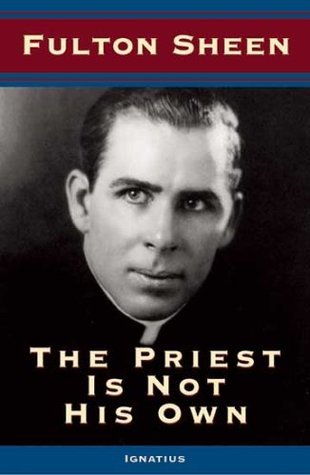
The Priest Is Not His Own
Discover the profound insights of "The Priest is Not His Own," a compelling book that delves into the spiritual and pastoral essence of priesthood. This influential work offers a deep exploration of the priest's role as a servant of Christ, emphasizing sacrifice and devotion in the service of others. Perfect for clergy and lay readers alike, it provides inspiration and guidance for those committed to the vocation of priesthood.

Reviews
There are no reviews yet.