





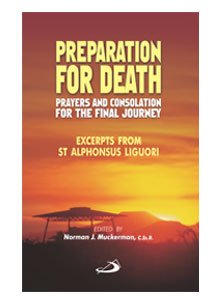









WOMEN IN THE BIBLE VOL 2
₦3,500.00
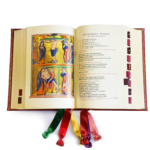
Introducing “Women in the Bible Vol.2”
Discover the captivating stories of influential women from the Bible with our latest release, “Women in the Bible Vol.2”. This comprehensive volume delves into the lives of remarkable women, shedding light on their struggles, triumphs, and enduring legacies.
Unveiling Untold Stories
With “Women in the Bible Vol.2”, you will embark on a profound journey through history, exploring the lives of women who have shaped the course of humanity. From the courageous Deborah, who led the Israelites to victory, to the compassionate Ruth, whose loyalty and faithfulness continue to inspire, this book offers a fresh perspective on the often overlooked contributions of women in biblical times.
Each chapter presents a compelling narrative, meticulously researched and beautifully written, bringing to life the stories of these extraordinary women. Through their experiences, readers will gain a deeper understanding of the challenges they faced, the sacrifices they made, and the profound impact they had on their communities.
A Resource for Reflection and Inspiration
“Women in the Bible Vol.2” is not just a collection of stories; it is a valuable resource for individuals seeking wisdom and inspiration. Whether you are a scholar, a student, or simply someone looking to deepen your spiritual understanding, this book offers profound insights and thought-provoking reflections.
Each chapter concludes with a series of discussion questions, designed to encourage personal reflection and group dialogue. These questions invite readers to explore the relevance of these ancient stories in their own lives and consider how the lessons learned from these remarkable women can be applied today.
Don’t miss the opportunity to delve into the lives of these extraordinary women. Order your copy of “Women in the Bible Vol.2” today and embark on a transformative journey through history.
Size and packaging guidelines
| Specification | Chair | Armchair | Sofas |
| Height | 37" | 42" | 42" |
| Width | 26.5" | 32.5" | 142" |
| Depth | 19.5" | 22.5" | 24.5" |
| Assembly Required | No | No | Yes |
| Packaging Type | Box | Box | Box |
| Package Weight | 55 lbs. | 64 lbs. | 180 lbs. |
| Packaging Dimensions | 27" x 26" x 39" | 45" x 35" x 24" | 46" x 142" x 25" |
Reviews (0)
Shipping & Delivery
Related products

5 MINUTES MIRACLES
The 5-Minute Miracles: Transform Your Life with Ease
Are you looking for a quick and effective way to improve your life? Look no further than the 5-Minute Miracles. This innovative program is designed to help you make positive changes in just five minutes a day. With the hectic pace of modern life, finding time for self-improvement can be a challenge. That's why the 5-Minute Miracles is perfect for busy individuals like you. It allows you to prioritize your personal growth without sacrificing your other commitments. So, how does it work? The 5-Minute Miracles is a collection of simple and powerful exercises that can be completed in just five minutes. Each exercise is carefully designed to target different areas of your life, such as health, relationships, career, and personal development. By dedicating just five minutes a day to these exercises, you can experience remarkable results. Whether you want to improve your physical fitness, enhance your communication skills, or boost your confidence, the 5-Minute Miracles has got you covered. One of the key features of the 5-Minute Miracles is its flexibility. You can choose to focus on a specific area of your life or rotate between different exercises to address multiple aspects simultaneously. This allows you to tailor the program to your unique needs and goals. Don't let the lack of time hold you back from achieving your full potential. Try the 5-Minute Miracles today and witness the transformative power of just five minutes a day.
SAINTS THAT TRIUMPHED DEATH
Saints that Triumphed Death
In the realm of faith and devotion, there exist extraordinary individuals who have transcended the boundaries of mortality. These saints, through their unwavering belief and profound spirituality, have triumphed over death itself. One such saint is Saint John of the Cross, a 16th-century mystic and poet. Despite enduring imprisonment and persecution, his unyielding faith allowed him to transcend the physical constraints of his earthly existence. Through his writings and teachings, he continues to inspire countless souls to seek a higher spiritual plane. Another remarkable figure is Saint Teresa of Avila, a 16th-century Spanish mystic and reformer. Her profound spiritual experiences, including mystical visions and encounters with divine beings, elevated her beyond the limitations of human mortality. Her writings, such as "The Interior Castle," provide invaluable insights into the depths of the human soul and the path to spiritual enlightenment. One cannot overlook the extraordinary life of Saint Francis of Assisi, who renounced his worldly possessions and embraced a life of poverty and humility. His deep connection with nature and his unwavering devotion to God allowed him to transcend the fear of death. His legacy lives on through the Franciscan order and his teachings on compassion and love for all of God's creations. These saints, and many others throughout history, serve as beacons of hope and inspiration for all who seek a deeper connection with the divine. Their lives remind us that death is not an end but a gateway to eternal life, and that through faith and devotion, we too can triumph over the limitations of our mortal existence.
SAINTS TODAY
Saints Today: How Can I Be One Too?
Many people admire saints for their exceptional virtues and their dedication to living a righteous life. While becoming a saint may seem like an unattainable goal, there are steps you can take to cultivate saintly qualities in your own life.1. Cultivate Virtues
Saints are known for their virtues, such as compassion, humility, patience, and selflessness. To become more like a saint, focus on developing these virtues in your own life. Practice acts of kindness and generosity, seek to understand and empathize with others, and strive to be patient and forgiving.2. Deepen Your Spirituality
Saints have a deep connection with their spiritual beliefs and dedicate their lives to serving a higher purpose. To follow in their footsteps, explore your own spirituality and deepen your relationship with your faith or belief system. This can be done through prayer, meditation, attending religious services, or engaging in spiritual practices that resonate with you.3. Serve Others
Saints are known for their selfless service to others. Look for opportunities to help those in need, whether through volunteering, donating to charitable causes, or simply offering a helping hand to a friend or neighbor. By putting the needs of others before your own, you can cultivate a spirit of service and make a positive impact on the world around you. While becoming a saint may not be an easy or straightforward path, it is possible to embody saintly qualities in your own life. By cultivating virtues, deepening your spirituality, and serving others, you can strive to live a life that is aligned with the ideals of the saints.
ST THOMAS BECKET
The Life and Legacy of St. Thomas Becket
St. Thomas Becket, also known as Thomas of Canterbury, was a prominent figure in English history during the 12th century. Born in London in 1118, Becket rose to become the Archbishop of Canterbury, one of the most prestigious positions in the Catholic Church. Becket's story is one of courage, conviction, and martyrdom. As Archbishop, he clashed with King Henry II over the rights and privileges of the Church. Becket staunchly defended the Church's independence and refused to bow to the king's demands. This led to a bitter conflict between the two powerful figures. In 1170, tensions reached a boiling point when four knights loyal to the king murdered Becket in Canterbury Cathedral. This shocking act of violence shocked the nation and turned Becket into a martyr and a symbol of resistance against royal authority.Becket's Legacy
St. Thomas Becket's murder sparked outrage across Europe and led to a wave of pilgrimages to his tomb in Canterbury. His martyrdom also had a profound impact on the power dynamics between church and state. Becket's steadfast defense of the Church's autonomy influenced the development of English law and the concept of religious freedom. His martyrdom also strengthened the authority of the papacy and the Catholic Church as a whole.Remembering St. Thomas Becket
Today, St. Thomas Becket is remembered as a martyr, a saint, and a symbol of courage in the face of oppression. His shrine at Canterbury Cathedral continues to attract pilgrims from around the world, and his story serves as a reminder of the enduring power of faith and conviction.
THE INCORRUPTIBLE
The Incorruptible
The Incorruptible is a revolutionary new product that is designed to provide unparalleled durability and longevity. Made from the highest quality materials and with meticulous attention to detail, this product is built to withstand the test of time.Unmatched Durability
With its innovative construction, The Incorruptible is virtually indestructible. Whether you're using it for outdoor adventures or everyday tasks, this product will never let you down. Its robust design ensures that it can withstand even the harshest of conditions, making it the perfect companion for any situation.Long-Lasting Performance
Unlike other products on the market, The Incorruptible is built to last. Its superior craftsmanship and high-quality materials ensure that it will continue to perform at its best for years to come. Say goodbye to constantly replacing worn-out products and hello to The Incorruptible's long-lasting performance. Whether you're a professional in need of a reliable tool or an individual looking for a product that will stand the test of time, The Incorruptible is the perfect choice. Its unmatched durability and long-lasting performance make it a true game-changer in its field. Invest in The Incorruptible today and experience the difference for yourself.
THE WAY
The Way - A Revolutionary Product for Personal Transportation
Introducing The Way, a groundbreaking innovation in personal transportation. This state-of-the-art device is designed to revolutionize the way we commute, offering a convenient and eco-friendly alternative to traditional modes of transportation.Efficiency and Convenience
The Way is compact and lightweight, making it incredibly easy to maneuver through crowded streets and navigate tight spaces. Its sleek design and intuitive controls ensure a smooth and effortless ride, allowing you to effortlessly glide through your daily commute. Equipped with advanced lithium-ion batteries, The Way offers an impressive range of up to 30 miles on a single charge. This means you can travel to work, run errands, or explore the city without worrying about running out of power.Environmentally Friendly
At The Way, we are committed to reducing our carbon footprint and preserving the environment. That's why The Way is powered by electricity, emitting zero emissions and contributing to cleaner air and a healthier planet. By choosing The Way as your preferred mode of transportation, you are not only making a smart choice for yourself but also for future generations.Safe and Reliable
Your safety is our top priority. The Way is equipped with advanced safety features, including an anti-lock braking system and LED lights for enhanced visibility. Its sturdy construction and durable materials ensure a safe and reliable ride, even in challenging weather conditions. With The Way, you can confidently navigate the urban landscape, knowing that you are in control of a reliable and secure mode of transportation. Experience the future of personal transportation with The Way. Say goodbye to traffic jams, parking hassles, and harmful emissions. Embrace a greener and more efficient way of getting around with The Way.
VOCATIONAL ACCOMPANIMENT
Enhance Your Vocational Journey with Vocational Accompaniment
Embarking on a vocational journey can be both exciting and challenging. Whether you are a student exploring career options or a professional looking to make a career change, having the right support and guidance can make all the difference. That's where vocational accompaniment comes in. Vocational accompaniment is a personalized service that provides individuals with the necessary tools and resources to navigate their vocational path successfully. It involves working closely with a trained professional who understands the intricacies of the job market and can offer valuable insights and advice. With vocational accompaniment, you can expect a tailored approach that takes into account your unique goals, interests, and skills. Your accompaniment professional will help you identify your strengths and weaknesses, explore different career options, and develop a strategic plan to achieve your vocational objectives. One of the key advantages of vocational accompaniment is the ongoing support it provides. Your accompaniment professional will be there to guide you every step of the way, offering encouragement, motivation, and constructive feedback. They will help you overcome obstacles and navigate any challenges that may arise during your vocational journey. Whether you need assistance with job searching, resume writing, interview preparation, or career advancement, vocational accompaniment can provide you with the expertise and support you need. By leveraging the knowledge and experience of a vocational accompaniment professional, you can make more informed decisions and increase your chances of success. Investing in vocational accompaniment is an investment in your future. It is a proactive step towards achieving your vocational goals and realizing your full potential. So why navigate the vocational landscape alone when you can have a trusted companion by your side?

Reviews
There are no reviews yet.