













RELIGIOUS POVERTY IN AFRICA
₦1,750.00
The Impact of Religious Poverty in Africa
Africa, a continent rich in cultural diversity and natural resources, also faces the harsh reality of religious poverty. This phenomenon, characterized by a lack of access to basic necessities and economic opportunities, is exacerbated by the influence of religious beliefs and practices.
Causes of Religious Poverty
One of the main causes of religious poverty in Africa is the prevalence of traditional beliefs and practices that hinder economic development. Superstitions and taboos often restrict individuals from engaging in certain activities or pursuing certain occupations, limiting their potential for growth and prosperity.
Another contributing factor is the exploitation of religion by unscrupulous individuals who take advantage of people’s faith for personal gain. False prophets and charlatans manipulate the vulnerable, promising divine intervention and prosperity in exchange for financial contributions. This exploitation perpetuates a cycle of poverty and dependence.
Consequences and Solutions
The consequences of religious poverty are far-reaching and affect various aspects of African society. Limited access to education, healthcare, and infrastructure further perpetuates the cycle of poverty. Additionally, religious poverty can lead to social unrest and conflict as people struggle for resources and opportunities.
To address this issue, it is crucial to promote education and critical thinking within religious communities. By empowering individuals with knowledge and encouraging them to question outdated beliefs and practices, the cycle of religious poverty can be broken. Additionally, governments and organizations should work together to provide economic opportunities, infrastructure, and social support to uplift those affected by religious poverty.
In conclusion, religious poverty in Africa is a complex issue that requires a multi-faceted approach. By addressing the root causes and implementing sustainable solutions, we can work towards a future where all Africans have equal access to opportunities and a better quality of life.
Size and packaging guidelines
| Specification | Chair | Armchair | Sofas |
| Height | 37" | 42" | 42" |
| Width | 26.5" | 32.5" | 142" |
| Depth | 19.5" | 22.5" | 24.5" |
| Assembly Required | No | No | Yes |
| Packaging Type | Box | Box | Box |
| Package Weight | 55 lbs. | 64 lbs. | 180 lbs. |
| Packaging Dimensions | 27" x 26" x 39" | 45" x 35" x 24" | 46" x 142" x 25" |
Reviews (0)
Shipping & Delivery
Related products
CONSECRATED LIFE
Discover the Beauty of Consecrated Life
Consecrated life is a sacred vocation that holds a special place within the Catholic Church. It is a calling to live a life of total dedication to God and service to others. Those who embrace this path commit themselves to a life of prayer, community living, and apostolic work.Embracing a Life of Prayer
At the heart of consecrated life is a deep commitment to prayer. Consecrated men and women spend significant time in prayer, seeking a closer relationship with God and discerning His will. Through daily prayer, they draw strength, guidance, and inspiration to carry out their mission in the world.Living in Community
Consecrated life also involves living in community with fellow religious brothers or sisters. This communal living fosters a spirit of unity, support, and shared mission. Together, they strive to create a loving and supportive environment where they can grow in holiness and serve others.Apostolic Work and Service
Consecrated men and women are called to serve others in a variety of ways. They may work in education, healthcare, social services, or other fields, using their unique gifts and talents to make a positive impact on the world. Through their apostolic work, they become a living witness of God's love and mercy. Consecrated life is a beautiful and fulfilling vocation that offers a unique opportunity to deepen one's relationship with God and serve others. It requires a deep sense of commitment, sacrifice, and selflessness. If you are discerning a call to consecrated life, we invite you to explore this noble path and discover the joy and fulfillment it can bring.
EVERYDAY SAINTS
Introducing Everyday Saints
Everyday Saints is a unique collection of inspiring stories that showcases the extraordinary acts of ordinary people. This book is a celebration of the unsung heroes who make a difference in the world through their kindness, compassion, and selflessness.Discover the Power of Small Actions
In Everyday Saints, you will embark on a journey that explores the profound impact of small actions. Through heartwarming anecdotes and powerful narratives, this book reveals how simple acts of love, generosity, and empathy can transform lives and communities.Inspiration for Everyday Heroes
Whether you are seeking inspiration or looking for ways to make a positive impact in your own life, Everyday Saints is the perfect companion. Each story serves as a reminder that we all have the power to create change, no matter how small our actions may seem. From a teacher who goes above and beyond to support her students, to a stranger who offers a helping hand to someone in need, these stories will uplift your spirits and ignite the spark of kindness within you. With its engaging storytelling and thought-provoking messages, Everyday Saints will leave you inspired to become an everyday hero in your own right. Join us on this journey of compassion, and discover the extraordinary power of ordinary people.
OUR JOY IN BEING CATHOLICS
The Joy of Being Catholics
As Catholics, we are blessed to experience a deep and abiding joy in our faith. This joy stems from the richness and beauty of the Catholic tradition, the sacraments, and the teachings of the Church.A Faith Rooted in Tradition
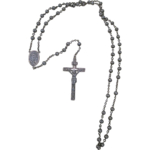
One of the reasons we find joy in being Catholics is the deep sense of tradition that permeates our faith. We are part of a faith that has been passed down through the ages, with roots that can be traced back to the time of Christ and the apostles. This connection to our past gives us a sense of belonging and continuity, and reminds us that we are part of something greater than ourselves. Through the liturgy, the sacraments, and the rituals of our faith, we are able to participate in this rich tradition and experience a profound sense of awe and reverence. Whether it is the beauty of a well-celebrated Mass, the power of the sacraments, or the comfort of praying the rosary, these traditions bring us closer to God and fill our hearts with joy.The Sacraments: Channels of Grace
Another source of joy for Catholics is the sacraments. These sacred rituals, instituted by Christ himself, are visible signs of God's grace at work in our lives. Through the sacraments of Baptism, Confirmation, Eucharist, Reconciliation, Anointing of the Sick, Holy Orders, and Matrimony, we are brought into deeper communion with God and our fellow believers. Each sacrament is a unique encounter with Christ, an opportunity for us to experience his love and mercy in a tangible way. Whether it is the forgiveness and healing we receive in the sacrament of Reconciliation, or the nourishment and spiritual sustenance we receive in the Eucharist, the sacraments are a source of great joy and consolation.The Teachings of the Church: Truth and Guidance
Finally, as Catholics, we find joy in the teachings of the Church. The Church, guided by the Holy Spirit, offers us a sure foundation of truth and moral guidance in a world that often seems confused and uncertain. Through the teachings of the Church, we are able to understand the purpose and meaning of our lives, and to discern right from wrong. This clarity brings us a deep sense of peace and joy, knowing that we are following the path that leads to true happiness and fulfillment. In conclusion, the joy of being Catholics comes from the richness of our tradition, the grace of the sacraments, and the guidance of the Church. It is a joy that fills our hearts and sustains us on our journey of faith.
SACRAMENTS WHAT AND WHY
What are Sacraments?
Sacraments are sacred rituals or ceremonies in the Christian faith that are believed to be instituted by Jesus Christ. They are considered essential for the spiritual growth and salvation of believers. The Catholic Church recognizes seven sacraments: Baptism, Confirmation, Holy Eucharist, Reconciliation, Anointing of the Sick, Holy Orders, and Matrimony.Why are Sacraments Important?
The sacraments hold great significance in the Christian faith for several reasons:- Grace and Spiritual Nourishment: Sacraments are believed to confer the grace of God upon individuals, strengthening their relationship with Him and providing spiritual nourishment for their journey of faith.
- Symbolic Representation: Each sacrament has its own symbolic elements that represent different aspects of Christian life, such as initiation into the Church, forgiveness of sins, healing, and the commitment to a lifelong union.
- Community and Unity: Sacraments are often celebrated within a community, fostering a sense of unity and shared faith among believers. They serve as a reminder of the communal nature of the Church and the importance of supporting one another in the spiritual journey.
- Continuity with Tradition: Sacraments have been practiced in the Christian tradition for centuries, connecting believers to the rich history of their faith and the teachings of Jesus Christ.
- Personal Transformation: Through the sacraments, individuals are invited to experience personal transformation and growth in their relationship with God, as they receive His grace and respond to His call.
ST MARTIN DE PORRES
Saint Martin de Porres: A Devout and Compassionate Saint
Saint Martin de Porres, also known as the "Saint of the Broom," was a Peruvian Dominican lay brother who lived in the 16th century. He is revered for his deep faith, selflessness, and dedication to serving others. Early Life and Faith Born in Lima, Peru in 1579, Martin de Porres faced many challenges due to his mixed-race heritage. Despite the discrimination he faced, he remained steadfast in his faith and dedicated his life to serving God and others. Compassion and Healing Saint Martin de Porres had a special gift for healing the sick and comforting the suffering. Many sought his assistance, and he would often spend hours praying with them and offering them solace. His compassion and kindness were renowned, and he became a symbol of hope for the marginalized and oppressed. Humility and Service One of the most notable aspects of Saint Martin de Porres' life was his humility and commitment to serving others. Despite his extraordinary abilities and reputation, he considered himself unworthy and chose to perform menial tasks, such as cleaning and sweeping, in the monastery. He saw these tasks as opportunities to serve God and his fellow brothers. Legacy and Canonization Saint Martin de Porres' legacy lives on through the countless lives he touched and the miracles attributed to his intercession. He was canonized by Pope John XXIII in 1962 and is now recognized as the patron saint of mixed-race people, barbers, and public health workers. In conclusion, Saint Martin de Porres is a shining example of faith, compassion, and humility. His life serves as an inspiration to all, reminding us to serve others selflessly and to embrace the diversity and beauty of all God's children.
ST THOMAS BECKET
The Life and Legacy of St. Thomas Becket
St. Thomas Becket, also known as Thomas of Canterbury, was a prominent figure in English history during the 12th century. Born in London in 1118, Becket rose to become the Archbishop of Canterbury, one of the most prestigious positions in the Catholic Church. Becket's story is one of courage, conviction, and martyrdom. As Archbishop, he clashed with King Henry II over the rights and privileges of the Church. Becket staunchly defended the Church's independence and refused to bow to the king's demands. This led to a bitter conflict between the two powerful figures. In 1170, tensions reached a boiling point when four knights loyal to the king murdered Becket in Canterbury Cathedral. This shocking act of violence shocked the nation and turned Becket into a martyr and a symbol of resistance against royal authority.Becket's Legacy
St. Thomas Becket's murder sparked outrage across Europe and led to a wave of pilgrimages to his tomb in Canterbury. His martyrdom also had a profound impact on the power dynamics between church and state. Becket's steadfast defense of the Church's autonomy influenced the development of English law and the concept of religious freedom. His martyrdom also strengthened the authority of the papacy and the Catholic Church as a whole.Remembering St. Thomas Becket
Today, St. Thomas Becket is remembered as a martyr, a saint, and a symbol of courage in the face of oppression. His shrine at Canterbury Cathedral continues to attract pilgrims from around the world, and his story serves as a reminder of the enduring power of faith and conviction.
STORY OF A SOUL
The Story of a Soul
The Story of a Soul is a captivating memoir written by Saint Thérèse of Lisieux, a French Carmelite nun. This spiritual autobiography chronicles her journey of faith, love, and devotion to God. Thérèse's story begins with her childhood in a loving and devout family. She shares her early experiences, including her mother's death and her entry into the Carmelite convent at the tender age of 15. Through her honest and heartfelt narrative, Thérèse reveals her deep longing to serve God and her desire to become a saint. Throughout the memoir, Thérèse delves into her spiritual experiences and the challenges she faced in her pursuit of holiness. She describes her "little way," a path of simplicity and humility that she believed would lead her to heaven. Thérèse's teachings on the importance of doing small acts of love and offering them to God have inspired countless readers to find meaning and purpose in their daily lives. Thérèse's story also explores her struggles with illness and the physical pain she endured. Despite these hardships, she remained steadfast in her faith and found solace in her relationship with God. Her unwavering trust in divine providence serves as a powerful example of hope and resilience. The Story of a Soul offers profound insights into the nature of God's love and the beauty of a life lived in devotion to Him. Thérèse's words continue to resonate with readers of all backgrounds, inspiring them to seek a deeper connection with their faith and embrace a life of love and service.

Reviews
There are no reviews yet.