





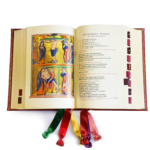








“The Imitation of Christ” by Thomas à Kempis is a timeless classic that has guided Christians for centuries in their spiritual journey. This edition features a durable and elegant binding, ensuring it withstands regular use while maintaining its beauty. The text is clear and easy to read, making the profound insights and teachings accessible to readers of all ages. This cherished work offers deep reflections on humility, obedience, and the inner life, providing practical advice for living a Christ-centered life. Perfect for personal reflection, devotional reading, and spiritual growth, “The Imitation of Christ” continues to inspire and transform lives, encouraging a deeper relationship with God.

The Imitation of Christ
₦20,280.00
- Classic spiritual work by Thomas à Kempis
- Durable and elegant binding
- Clear and easy-to-read text
- Timeless insights on Christian living and devotion
- Ideal for personal reflection and spiritual growth
Size and packaging guidelines
| Specification | Chair | Armchair | Sofas |
| Height | 37" | 42" | 42" |
| Width | 26.5" | 32.5" | 142" |
| Depth | 19.5" | 22.5" | 24.5" |
| Assembly Required | No | No | Yes |
| Packaging Type | Box | Box | Box |
| Package Weight | 55 lbs. | 64 lbs. | 180 lbs. |
| Packaging Dimensions | 27" x 26" x 39" | 45" x 35" x 24" | 46" x 142" x 25" |
Description
Reviews (0)
Shipping & Delivery
Related products

DIARY OF DIVINE MERCY
Introducing the Diary of Divine Mercy
Welcome to the world of spiritual enlightenment and profound devotion with the Diary of Divine Mercy. This extraordinary book is a powerful testament to the boundless love and mercy of God, as revealed to the humble Polish nun, Saint Faustina Kowalska.Discovering the Divine Mercy
In the Diary of Divine Mercy, Saint Faustina recounts her personal encounters with Jesus Christ and documents His messages of love, forgiveness, and compassion. This sacred text offers a unique insight into the depths of God's mercy and provides guidance on how to live a life of faith and devotion. Through her intimate conversations with Jesus, Saint Faustina shares profound revelations on the importance of trust, prayer, and repentance. The Diary of Divine Mercy serves as a spiritual guide, offering practical advice on how to cultivate a deeper relationship with God and embrace His mercy in our daily lives.Embracing God's Mercy
The Diary of Divine Mercy invites readers to reflect on the infinite love and mercy that God extends to all humanity. It encourages us to seek forgiveness, to show compassion towards others, and to trust in God's providence even in the face of adversity. By immersing ourselves in the pages of this sacred diary, we are reminded of the transformative power of God's mercy and the profound impact it can have on our lives. Through the Diary of Divine Mercy, we are invited to embark on a journey of spiritual growth and discover the true meaning of divine love and forgiveness. Experience the Diary of Divine Mercy today and allow its timeless wisdom to inspire and guide you towards a deeper understanding of God's boundless mercy.
MYSTICAL CITY OF GOD
The Mystical City of God: A Divine Revelation
The Mystical City of God is a profound and captivating book that offers a unique perspective on the life of the Virgin Mary and the mysteries of the Catholic faith. Written by Venerable Mary of Agreda, a 17th-century Spanish nun, this spiritual masterpiece is based on the author's mystical experiences and divine revelations. With its rich and detailed narrative, The Mystical City of God takes readers on a spiritual journey through the life of the Blessed Virgin Mary, from her immaculate conception to her assumption into heaven. It delves into the depths of her virtues, her intimate relationship with God, and her role as the Mother of Jesus Christ. This book is not only a profound meditation on the life of Mary, but it also provides insights into the mysteries of the Catholic faith. It explores topics such as the Holy Trinity, the Incarnation, the Redemption, and the sacraments, shedding light on the divine truths that form the foundation of Catholic doctrine. Written in a clear and accessible style, The Mystical City of God appeals to both scholars and spiritual seekers alike. Its profound teachings and vivid descriptions allow readers to enter into the mystical realm and contemplate the mysteries of God's love and mercy. Whether you are a devoted Catholic or someone seeking spiritual enlightenment, The Mystical City of God offers a profound and transformative reading experience. Discover the beauty and depth of the Catholic faith through this divine revelation and embark on a journey to encounter the mystical city of God.
SACRAMENTS WHAT AND WHY
What are Sacraments?
Sacraments are sacred rituals or ceremonies in the Christian faith that are believed to be instituted by Jesus Christ. They are considered essential for the spiritual growth and salvation of believers. The Catholic Church recognizes seven sacraments: Baptism, Confirmation, Holy Eucharist, Reconciliation, Anointing of the Sick, Holy Orders, and Matrimony.Why are Sacraments Important?
The sacraments hold great significance in the Christian faith for several reasons:- Grace and Spiritual Nourishment: Sacraments are believed to confer the grace of God upon individuals, strengthening their relationship with Him and providing spiritual nourishment for their journey of faith.
- Symbolic Representation: Each sacrament has its own symbolic elements that represent different aspects of Christian life, such as initiation into the Church, forgiveness of sins, healing, and the commitment to a lifelong union.
- Community and Unity: Sacraments are often celebrated within a community, fostering a sense of unity and shared faith among believers. They serve as a reminder of the communal nature of the Church and the importance of supporting one another in the spiritual journey.
- Continuity with Tradition: Sacraments have been practiced in the Christian tradition for centuries, connecting believers to the rich history of their faith and the teachings of Jesus Christ.
- Personal Transformation: Through the sacraments, individuals are invited to experience personal transformation and growth in their relationship with God, as they receive His grace and respond to His call.
ST CAMILLUS DE LELLIS
About St. Camillus de Lellis
St. Camillus de Lellis, also known as St. Camillus of Lellis, was an Italian priest who lived during the 16th century. He is recognized as the patron saint of nurses, the sick, and hospitals. St. Camillus dedicated his life to caring for the sick and those in need, and his legacy continues to inspire healthcare professionals today.The Life and Works of St. Camillus de Lellis
Born in 1550 in Italy, St. Camillus experienced a transformation in his life after a series of personal struggles and hardships. He had a profound conversion and dedicated himself to serving the sick and the poor. St. Camillus founded the Order of Clerks Regular, Ministers of the Infirm (commonly known as the Camillians), a religious order focused on healthcare and the care of the sick. St. Camillus and his fellow Camillians established hospitals and healthcare facilities throughout Europe, providing compassionate care to those in need. They emphasized the importance of treating patients with dignity and respect, as well as providing holistic care that addressed both their physical and spiritual needs.The Legacy of St. Camillus de Lellis
St. Camillus de Lellis left a lasting impact on the field of healthcare. His dedication to the sick and his emphasis on compassionate care continue to inspire healthcare professionals around the world. Many hospitals and healthcare organizations have adopted his principles and values, striving to provide the highest quality of care to their patients. St. Camillus de Lellis serves as a reminder of the importance of selfless service and compassion in the healthcare field. His legacy is a testament to the power of caring for others and the profound impact it can have on individuals and communities.
ST THOMAS BECKET
The Life and Legacy of St. Thomas Becket
St. Thomas Becket, also known as Thomas of Canterbury, was a prominent figure in English history during the 12th century. Born in London in 1118, Becket rose to become the Archbishop of Canterbury, one of the most prestigious positions in the Catholic Church. Becket's story is one of courage, conviction, and martyrdom. As Archbishop, he clashed with King Henry II over the rights and privileges of the Church. Becket staunchly defended the Church's independence and refused to bow to the king's demands. This led to a bitter conflict between the two powerful figures. In 1170, tensions reached a boiling point when four knights loyal to the king murdered Becket in Canterbury Cathedral. This shocking act of violence shocked the nation and turned Becket into a martyr and a symbol of resistance against royal authority.Becket's Legacy
St. Thomas Becket's murder sparked outrage across Europe and led to a wave of pilgrimages to his tomb in Canterbury. His martyrdom also had a profound impact on the power dynamics between church and state. Becket's steadfast defense of the Church's autonomy influenced the development of English law and the concept of religious freedom. His martyrdom also strengthened the authority of the papacy and the Catholic Church as a whole.Remembering St. Thomas Becket
Today, St. Thomas Becket is remembered as a martyr, a saint, and a symbol of courage in the face of oppression. His shrine at Canterbury Cathedral continues to attract pilgrims from around the world, and his story serves as a reminder of the enduring power of faith and conviction.
THE INCORRUPTIBLE
The Incorruptible
The Incorruptible is a revolutionary new product that is designed to provide unparalleled durability and longevity. Made from the highest quality materials and with meticulous attention to detail, this product is built to withstand the test of time.Unmatched Durability
With its innovative construction, The Incorruptible is virtually indestructible. Whether you're using it for outdoor adventures or everyday tasks, this product will never let you down. Its robust design ensures that it can withstand even the harshest of conditions, making it the perfect companion for any situation.Long-Lasting Performance
Unlike other products on the market, The Incorruptible is built to last. Its superior craftsmanship and high-quality materials ensure that it will continue to perform at its best for years to come. Say goodbye to constantly replacing worn-out products and hello to The Incorruptible's long-lasting performance. Whether you're a professional in need of a reliable tool or an individual looking for a product that will stand the test of time, The Incorruptible is the perfect choice. Its unmatched durability and long-lasting performance make it a true game-changer in its field. Invest in The Incorruptible today and experience the difference for yourself.
THE WAY
The Way - A Revolutionary Product for Personal Transportation
Introducing The Way, a groundbreaking innovation in personal transportation. This state-of-the-art device is designed to revolutionize the way we commute, offering a convenient and eco-friendly alternative to traditional modes of transportation.Efficiency and Convenience
The Way is compact and lightweight, making it incredibly easy to maneuver through crowded streets and navigate tight spaces. Its sleek design and intuitive controls ensure a smooth and effortless ride, allowing you to effortlessly glide through your daily commute. Equipped with advanced lithium-ion batteries, The Way offers an impressive range of up to 30 miles on a single charge. This means you can travel to work, run errands, or explore the city without worrying about running out of power.Environmentally Friendly
At The Way, we are committed to reducing our carbon footprint and preserving the environment. That's why The Way is powered by electricity, emitting zero emissions and contributing to cleaner air and a healthier planet. By choosing The Way as your preferred mode of transportation, you are not only making a smart choice for yourself but also for future generations.Safe and Reliable
Your safety is our top priority. The Way is equipped with advanced safety features, including an anti-lock braking system and LED lights for enhanced visibility. Its sturdy construction and durable materials ensure a safe and reliable ride, even in challenging weather conditions. With The Way, you can confidently navigate the urban landscape, knowing that you are in control of a reliable and secure mode of transportation. Experience the future of personal transportation with The Way. Say goodbye to traffic jams, parking hassles, and harmful emissions. Embrace a greener and more efficient way of getting around with The Way.

Reviews
There are no reviews yet.