



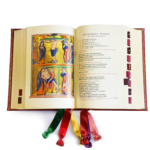







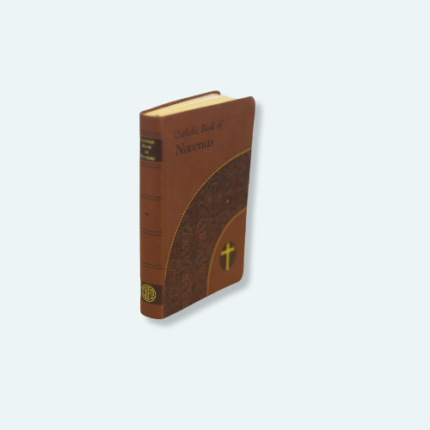
“Confessions of St. Augustine” is one of the most profound and influential spiritual autobiographies ever written. In this timeless classic, St. Augustine recounts his journey from a life of sin to his conversion to Christianity, offering deep reflections on faith, repentance, and the transformative power of God’s grace. This edition features a durable and elegant binding, ensuring it withstands regular use while maintaining its aesthetic appeal. The text is clear and easy to read, making Augustine’s profound insights accessible to readers of all backgrounds. Perfect for personal reflection, devotional reading, and spiritual growth, “Confessions of St. Augustine” continues to inspire and guide those seeking a deeper relationship with God.

Confessions of St. Augustine
₦6,656.00
- Classic spiritual autobiography by St. Augustine
- Durable and elegant binding
- Clear and easy-to-read text
- Includes insightful reflections on faith, repentance, and God’s grace
- Ideal for personal reflection and spiritual growth
Size and packaging guidelines
| Specification | Chair | Armchair | Sofas |
| Height | 37" | 42" | 42" |
| Width | 26.5" | 32.5" | 142" |
| Depth | 19.5" | 22.5" | 24.5" |
| Assembly Required | No | No | Yes |
| Packaging Type | Box | Box | Box |
| Package Weight | 55 lbs. | 64 lbs. | 180 lbs. |
| Packaging Dimensions | 27" x 26" x 39" | 45" x 35" x 24" | 46" x 142" x 25" |
Description
Reviews (0)
Shipping & Delivery
Related products

DIARY OF DIVINE MERCY
Introducing the Diary of Divine Mercy
Welcome to the world of spiritual enlightenment and profound devotion with the Diary of Divine Mercy. This extraordinary book is a powerful testament to the boundless love and mercy of God, as revealed to the humble Polish nun, Saint Faustina Kowalska.Discovering the Divine Mercy
In the Diary of Divine Mercy, Saint Faustina recounts her personal encounters with Jesus Christ and documents His messages of love, forgiveness, and compassion. This sacred text offers a unique insight into the depths of God's mercy and provides guidance on how to live a life of faith and devotion. Through her intimate conversations with Jesus, Saint Faustina shares profound revelations on the importance of trust, prayer, and repentance. The Diary of Divine Mercy serves as a spiritual guide, offering practical advice on how to cultivate a deeper relationship with God and embrace His mercy in our daily lives.Embracing God's Mercy
The Diary of Divine Mercy invites readers to reflect on the infinite love and mercy that God extends to all humanity. It encourages us to seek forgiveness, to show compassion towards others, and to trust in God's providence even in the face of adversity. By immersing ourselves in the pages of this sacred diary, we are reminded of the transformative power of God's mercy and the profound impact it can have on our lives. Through the Diary of Divine Mercy, we are invited to embark on a journey of spiritual growth and discover the true meaning of divine love and forgiveness. Experience the Diary of Divine Mercy today and allow its timeless wisdom to inspire and guide you towards a deeper understanding of God's boundless mercy.
DOGMA OF HELL
The Dogma of Hell: Understanding the Concept
In religious and theological contexts, the concept of Hell has been a subject of much debate and speculation. The Dogma of Hell refers to the belief in the existence of a place of eternal punishment for those who have committed grave sins or rejected divine grace. According to this dogma, Hell is portrayed as a realm of torment and suffering, where the souls of the damned are condemned to spend eternity. It is often described as a place of fire and brimstone, where the wicked are punished for their sins.Theological Perspectives on Hell
Various religious traditions have different interpretations of Hell. In Christianity, for example, Hell is seen as a consequence of the rejection of God's love and mercy. It is believed to be a place of separation from God, where the souls of sinners are eternally cut off from His presence. From a philosophical standpoint, the concept of Hell raises questions about the nature of justice, punishment, and the afterlife. It is often seen as a moral deterrent, serving as a warning against committing evil actions. The belief in Hell also provides a sense of justice, as it suggests that wrongdoers will ultimately face the consequences of their actions.Contemporary Interpretations
In modern times, the Dogma of Hell has been subject to reinterpretation and criticism. Some theologians and religious scholars argue for a more metaphorical understanding of Hell, suggesting that it represents a state of spiritual separation from God rather than a literal place of punishment. Others question the fairness and justice of eternal damnation, asserting that a loving and merciful God would not condemn individuals to infinite suffering. These alternative perspectives seek to reconcile the concept of Hell with notions of divine love, forgiveness, and redemption. Ultimately, the Dogma of Hell remains a complex and multifaceted aspect of religious belief. It continues to provoke theological discussions and reflections on the nature of sin, punishment, and the afterlife.
EUCHARISTIC MIRACLES
Eucharistic Miracles
Eucharistic miracles are extraordinary events that have been reported throughout history, involving the transformation of the bread and wine into the body and blood of Jesus Christ during the Catholic Mass. These miracles serve as a testament to the real presence of Christ in the Eucharist and have been witnessed by countless individuals around the world. One notable example of a Eucharistic miracle is the Miracle of Lanciano, which occurred in the 8th century in Italy. During the Mass, the bread and wine miraculously transformed into flesh and blood. This miracle has been scientifically studied and the flesh has been determined to be human cardiac tissue, while the blood is of type AB, which is the same blood type found on the Shroud of Turin. Another remarkable Eucharistic miracle took place in Buenos Aires, Argentina in 1996. A consecrated host that had fallen to the ground was placed in a container of water to dissolve. However, after a few days, the host had transformed into a bloody substance. This miracle was examined by a team of scientists and determined to be human blood. These Eucharistic miracles serve as a powerful reminder of the sacredness and mystery of the Eucharist. They provide believers with tangible evidence of the presence of Christ in the sacrament and inspire devotion and reverence. The Church recognizes these miracles as signs of God's love and invites all to deepen their faith and belief in the real presence of Christ in the Eucharist.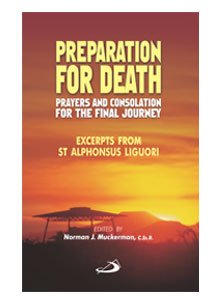
Preparation for Death : Prayers and Consolation for the Final Journey
Preparation for Death: Prayers and Consolation for the Final Journey Book by St. Alphonsus Liguori
Are you looking for guidance and solace as you prepare for the inevitable journey of death? Look no further than the book "Preparation for Death: Prayers and Consolation for the Final Journey" by St. Alphonsus Liguori. This profound and thought-provoking book offers a comprehensive guide to help you navigate the spiritual and emotional aspects of facing mortality. St. Alphonsus Liguori, a renowned Italian bishop and spiritual writer, shares his wisdom and insights on the subject of death in this timeless masterpiece. Through a series of prayers, reflections, and consoling words, he offers comfort and guidance to those who are preparing for the final journey.Key Features:
1. Prayerful Guidance: St. Alphonsus Liguori provides a collection of powerful prayers that can be used to seek solace, forgiveness, and spiritual strength during the challenging moments leading up to death. 2. Reflections on Mortality: The book delves into the reality of death and encourages readers to reflect on the brevity of life. It offers profound insights into the importance of spiritual preparation and the need to prioritize eternal salvation. 3. Consolation and Hope: St. Alphonsus Liguori's words bring comfort to those who are facing the uncertainty of death. He offers reassurance that God's mercy and love are ever-present, providing hope and peace in the midst of fear and anxiety. Whether you are personally preparing for death or seeking to support a loved one on their final journey, "Preparation for Death: Prayers and Consolation for the Final Journey" is a valuable resource. It will inspire and uplift your spirit, reminding you of the importance of faith, prayer, and the eternal journey that awaits us all.
SAINTS TODAY
Saints Today: How Can I Be One Too?
Many people admire saints for their exceptional virtues and their dedication to living a righteous life. While becoming a saint may seem like an unattainable goal, there are steps you can take to cultivate saintly qualities in your own life.1. Cultivate Virtues
Saints are known for their virtues, such as compassion, humility, patience, and selflessness. To become more like a saint, focus on developing these virtues in your own life. Practice acts of kindness and generosity, seek to understand and empathize with others, and strive to be patient and forgiving.2. Deepen Your Spirituality
Saints have a deep connection with their spiritual beliefs and dedicate their lives to serving a higher purpose. To follow in their footsteps, explore your own spirituality and deepen your relationship with your faith or belief system. This can be done through prayer, meditation, attending religious services, or engaging in spiritual practices that resonate with you.3. Serve Others
Saints are known for their selfless service to others. Look for opportunities to help those in need, whether through volunteering, donating to charitable causes, or simply offering a helping hand to a friend or neighbor. By putting the needs of others before your own, you can cultivate a spirit of service and make a positive impact on the world around you. While becoming a saint may not be an easy or straightforward path, it is possible to embody saintly qualities in your own life. By cultivating virtues, deepening your spirituality, and serving others, you can strive to live a life that is aligned with the ideals of the saints.
ST MAXIMILLIAN KOLBE
Saint Maximilian Kolbe - A Hero of Faith and Sacrifice
Saint Maximilian Kolbe, also known as Saint Maximilian Maria Kolbe, was a Polish Franciscan friar who lived from 1894 to 1941. He is widely recognized as a hero of faith and sacrifice, and his life and actions continue to inspire people around the world. Born as Rajmund Kolbe, he joined the Franciscan order and took the name Maximilian. He dedicated his life to spreading the message of the Gospel and promoting devotion to the Virgin Mary. He founded the Militia Immaculata, a movement that aimed to bring people closer to God through the intercession of the Blessed Virgin Mary.Sacrifice for Others
One of the most remarkable acts of Saint Maximilian Kolbe's life occurred during World War II. In 1941, he was arrested by the Nazis and sent to the Auschwitz concentration camp. When a fellow prisoner was chosen to be executed as a punishment for an escape attempt, Maximilian Kolbe volunteered to take his place. This act of selflessness and sacrifice demonstrated Saint Maximilian's deep love for others and his unwavering faith. His willingness to lay down his life for a stranger is a powerful example of Christian love and the value he placed on every human life.Legacy and Canonization
Saint Maximilian Kolbe's legacy lives on through his writings and the impact he had on those who knew him. He was canonized as a saint by Pope John Paul II in 1982, and his feast day is celebrated on August 14th. Today, Saint Maximilian Kolbe is revered as a patron saint of prisoners, journalists, and the pro-life movement. His life serves as a reminder of the importance of faith, love, and sacrifice in the face of adversity.
ST THOMAS BECKET
The Life and Legacy of St. Thomas Becket
St. Thomas Becket, also known as Thomas of Canterbury, was a prominent figure in English history during the 12th century. Born in London in 1118, Becket rose to become the Archbishop of Canterbury, one of the most prestigious positions in the Catholic Church. Becket's story is one of courage, conviction, and martyrdom. As Archbishop, he clashed with King Henry II over the rights and privileges of the Church. Becket staunchly defended the Church's independence and refused to bow to the king's demands. This led to a bitter conflict between the two powerful figures. In 1170, tensions reached a boiling point when four knights loyal to the king murdered Becket in Canterbury Cathedral. This shocking act of violence shocked the nation and turned Becket into a martyr and a symbol of resistance against royal authority.Becket's Legacy
St. Thomas Becket's murder sparked outrage across Europe and led to a wave of pilgrimages to his tomb in Canterbury. His martyrdom also had a profound impact on the power dynamics between church and state. Becket's steadfast defense of the Church's autonomy influenced the development of English law and the concept of religious freedom. His martyrdom also strengthened the authority of the papacy and the Catholic Church as a whole.Remembering St. Thomas Becket
Today, St. Thomas Becket is remembered as a martyr, a saint, and a symbol of courage in the face of oppression. His shrine at Canterbury Cathedral continues to attract pilgrims from around the world, and his story serves as a reminder of the enduring power of faith and conviction.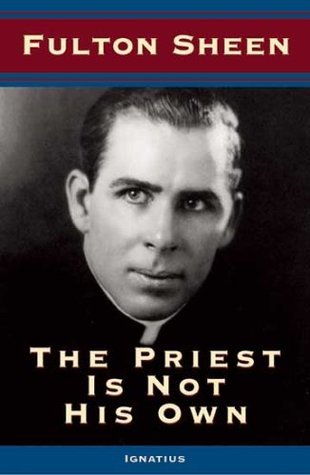
The Priest Is Not His Own
Discover the profound insights of "The Priest is Not His Own," a compelling book that delves into the spiritual and pastoral essence of priesthood. This influential work offers a deep exploration of the priest's role as a servant of Christ, emphasizing sacrifice and devotion in the service of others. Perfect for clergy and lay readers alike, it provides inspiration and guidance for those committed to the vocation of priesthood.

Reviews
There are no reviews yet.